
Say “Lijiang old town” to most people and they picture one place: Dayan (大研) — the UNESCO maze of canals, grey-tiled roofs and red lanterns that fronts every brochure of northwest Yunnan. It’s also the one we usually steer our travellers out of by mid-morning.
Because Lijiang has three ancient towns, not one. Dayan is the famous, crowded one. Shuhe and Baisha are the two most first-timers never hear about — older, quieter, and, in our view, the real reason to come. All three are Naxi towns, all three are walkable, and all three sit under the same snow mountain. Here’s the honest difference between Lijiang’s three ancient towns, and where we actually book people to sleep.
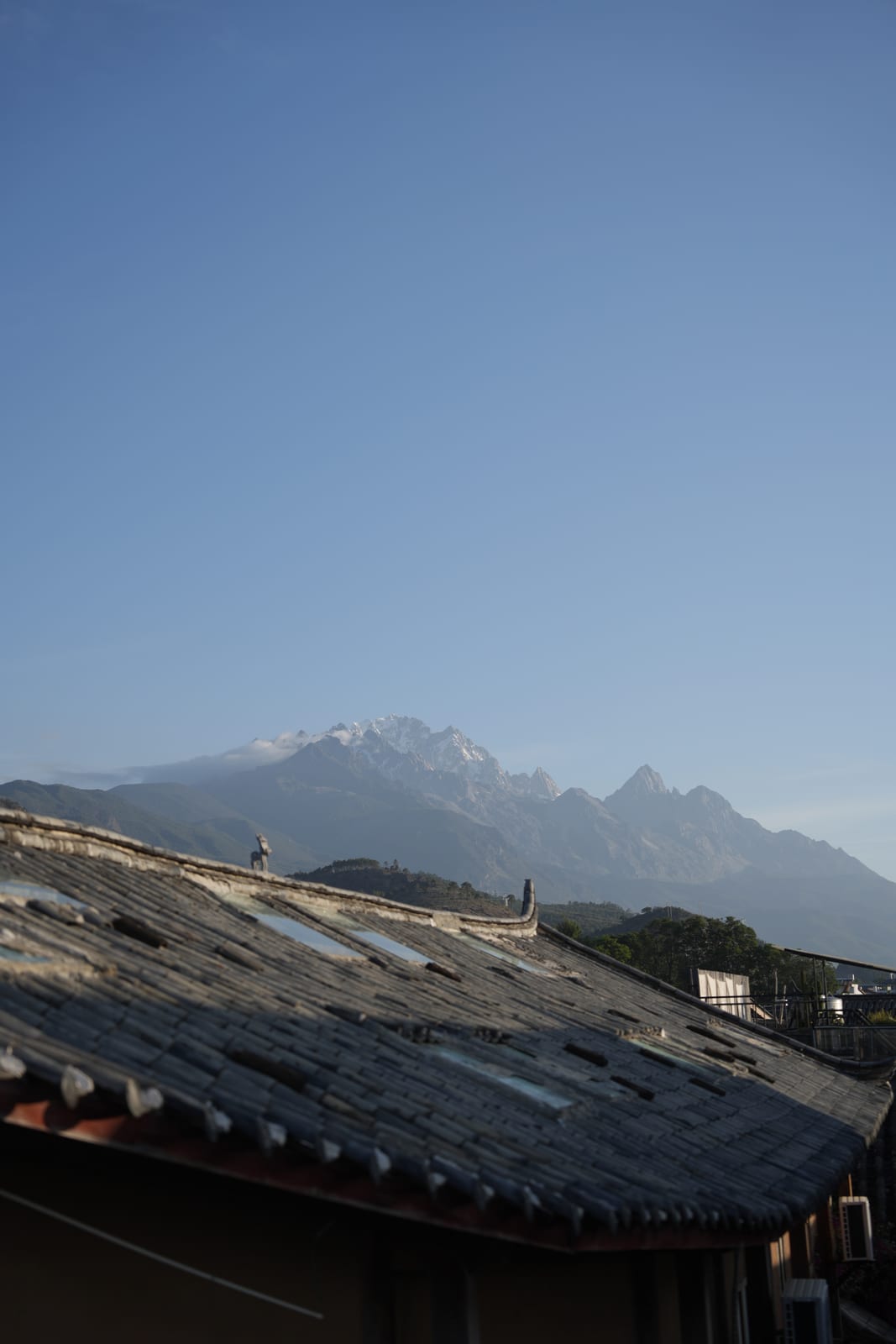
When to go: all three sit around 2,400m on the Naxi plain below Jade Dragon Snow Mountain, within about half an hour of each other by car. Come March to early June, or late September to early November. Summer is the wet season; winter is bright, empty and cold — and the mountain is at its sharpest. Give it two nights to walk all three at a human pace; most itineraries rush the lot into a single afternoon, which is how you end up remembering only the crowds.
| Town | The feel | Drive from Dayan | Best for |
|---|---|---|---|
| Dayan 大研 | Canals, bars, coach tours | — | One early-morning wander |
| Shuhe 束河 | Tea-Horse-Road calm, coffee, space | ~20 min | A relaxed base, families |
| Baisha 白沙 | Oldest and quietest — frescoes, artisans | ~30 min | Culture & photographers |
Dayan — the one everyone means (大研)
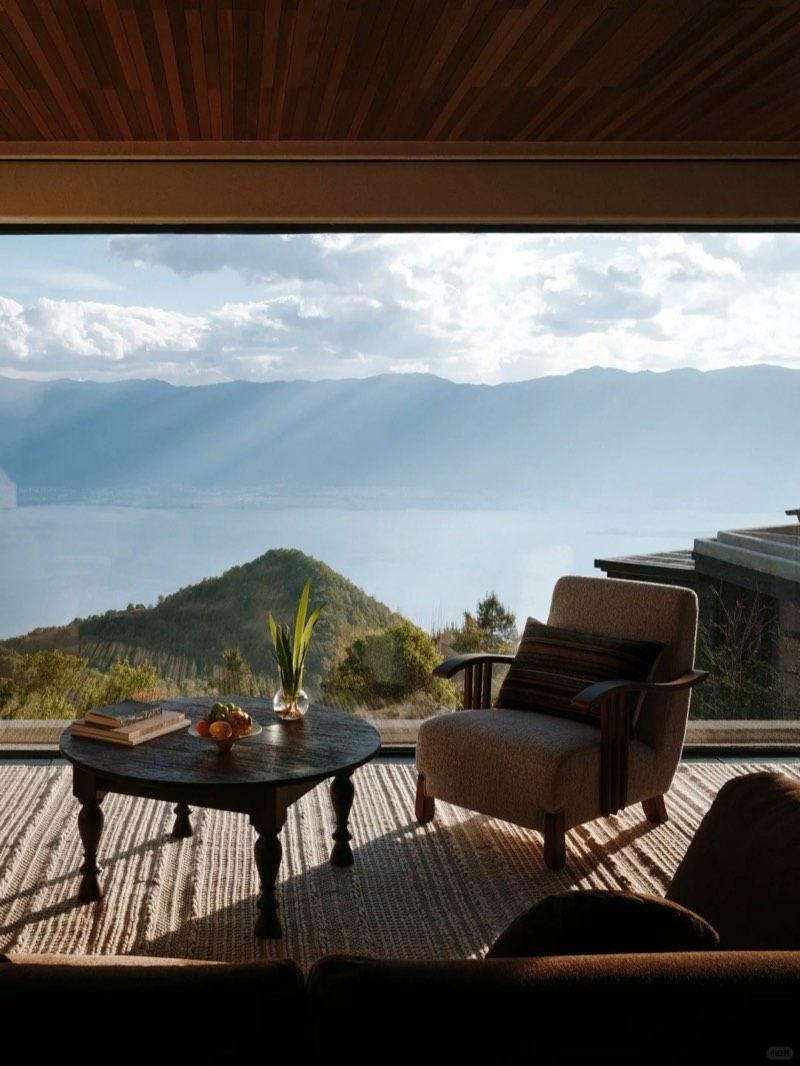
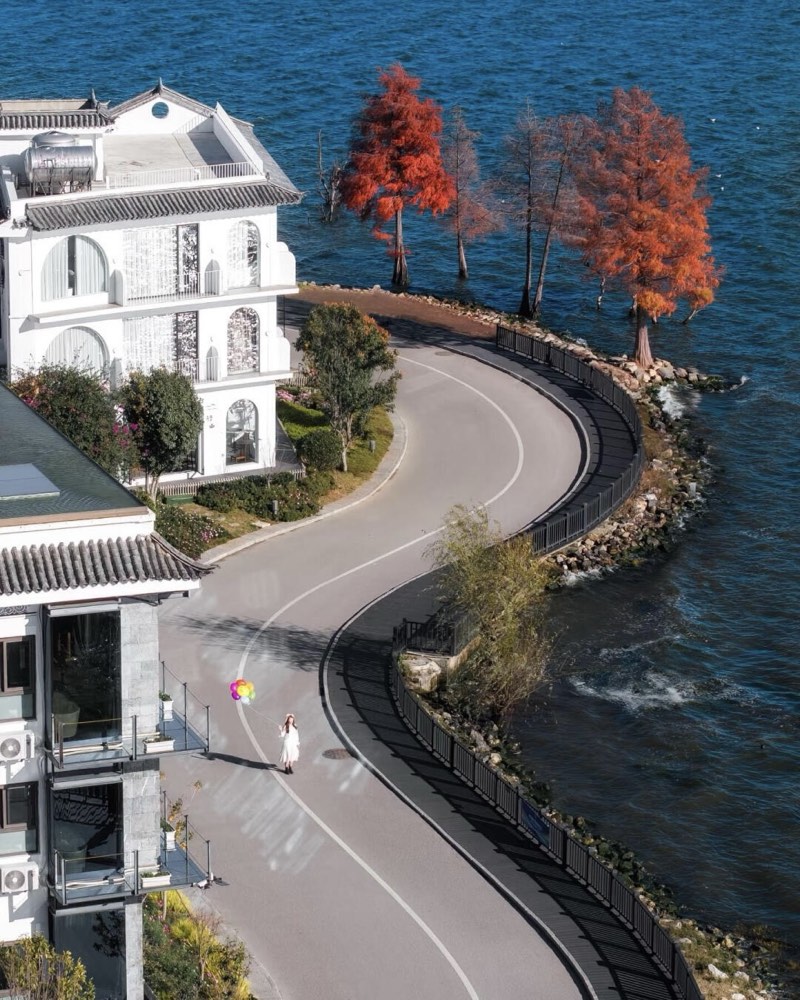
This is “Lijiang Old Town” proper: more than 700 years old, laced with spring-fed canals off Black Dragon Pool, and famously wall-less — local lore says the ruling Mu family wouldn’t box in their name (木), since a frame around it spells 困, “besieged.” Their old seat, the Mu Palace (木府), still anchors the southern end and is worth an hour for the Naxi carpentry alone. At 8am the lanes are genuinely lovely. By ten they’re shoulder-to-shoulder; by night it’s closer to a hill-station party than an ancient town, all bar speakers and neon. We still send people in for that first quiet hour and the rooftop view from Lion Hill — we just don’t book them to sleep there. The exception is Dayanaman, the walled retreat up on Lion Hill that sits above the noise.
Shuhe — the one we book first (束河)
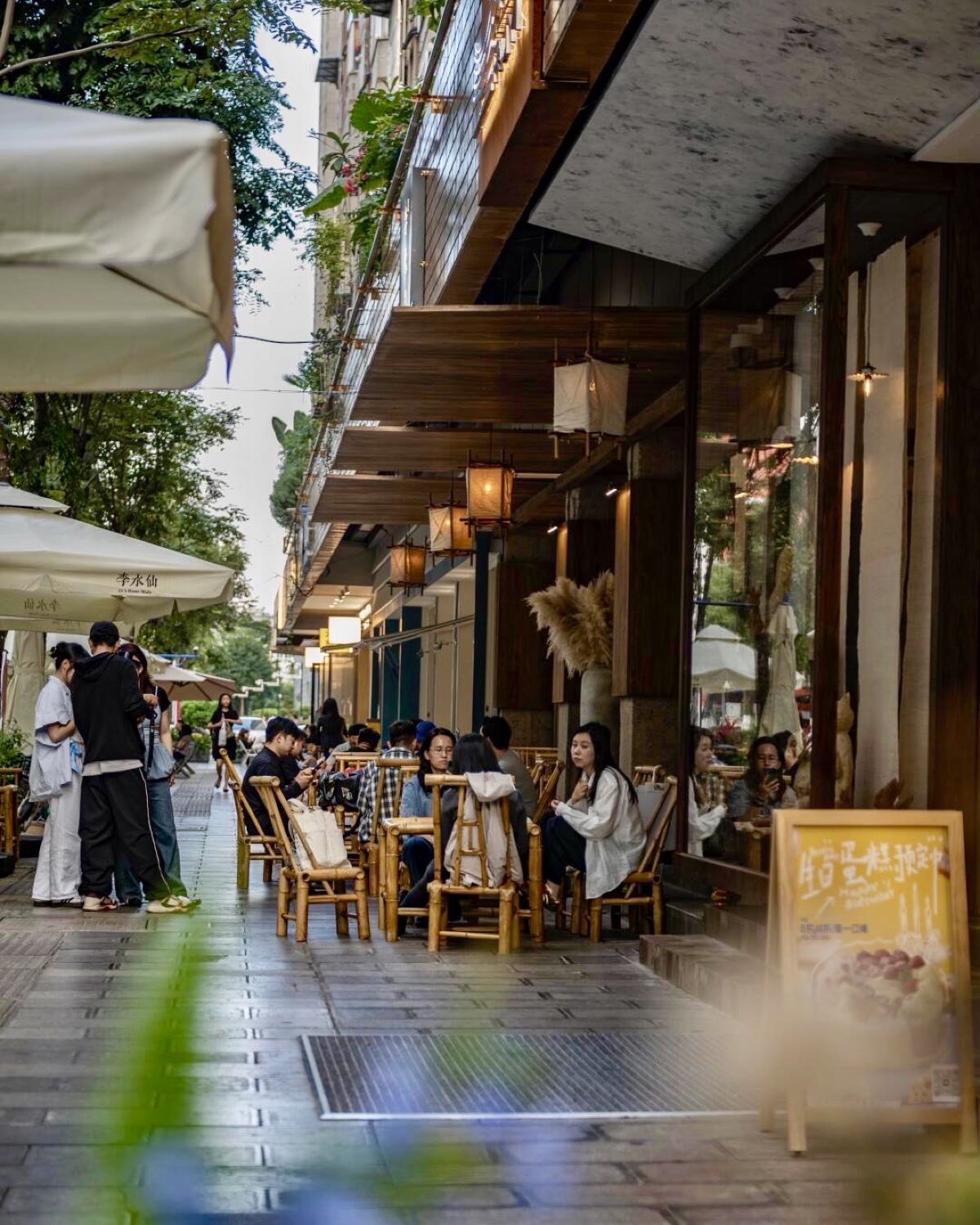
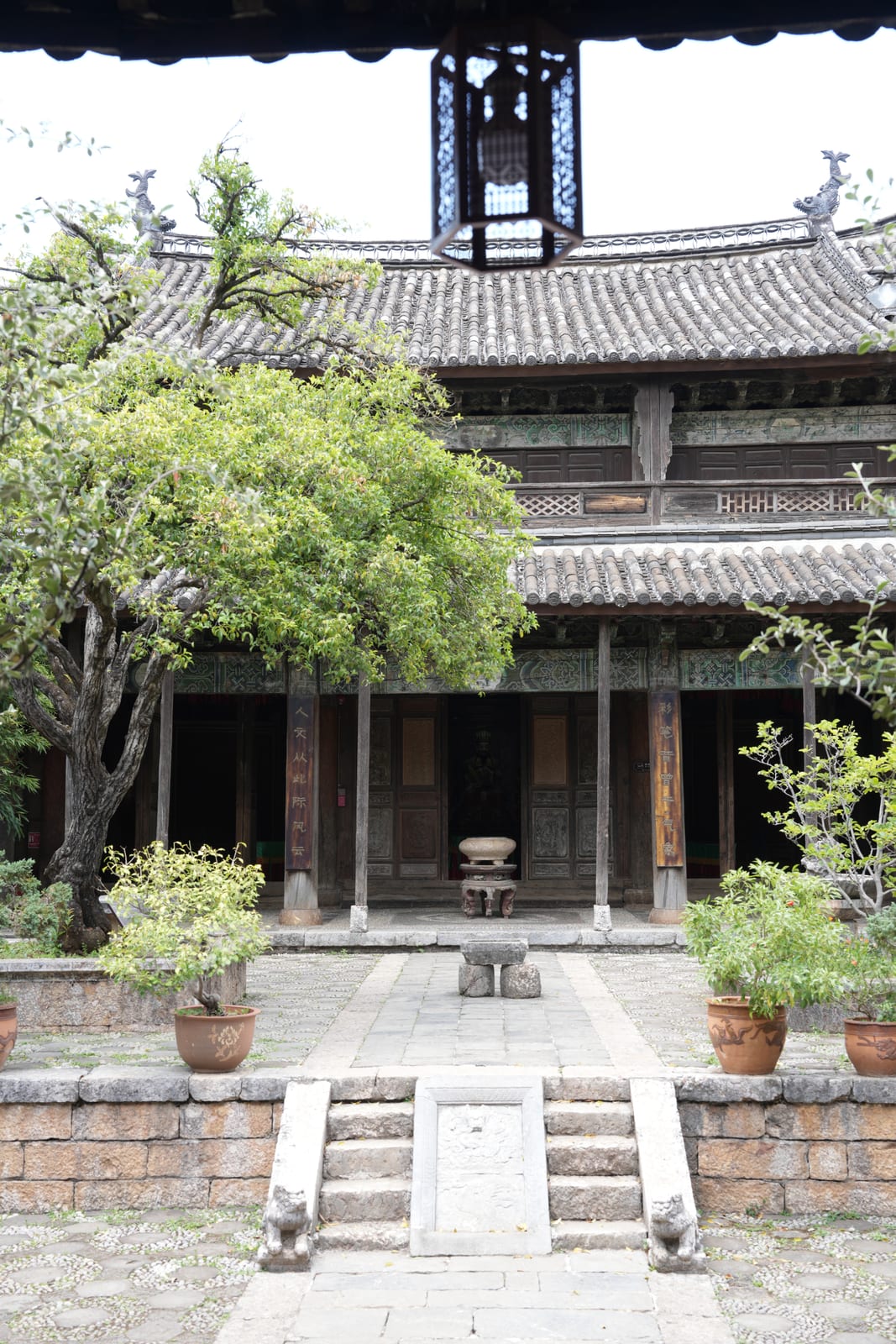
Twenty minutes’ drive northwest, Shuhe is what Dayan was thirty years ago: the same Naxi cobbles and water channels, a fraction of the crowd. It was a genuine staging post on the Ancient Tea Horse Road, and it still runs at that pace — long lunches, good local coffee (Yunnan grows its own now), the old Qinglong stone bridge, room to hear yourself think. Come evening the lanes empty out and it’s just you, the canals and the odd shopkeeper’s dog. It’s our default base in Lijiang, especially for families who want a courtyard to come back to. We usually put people at The Bivou, a quiet Naxi farmhouse-style place on the edge of the old town.
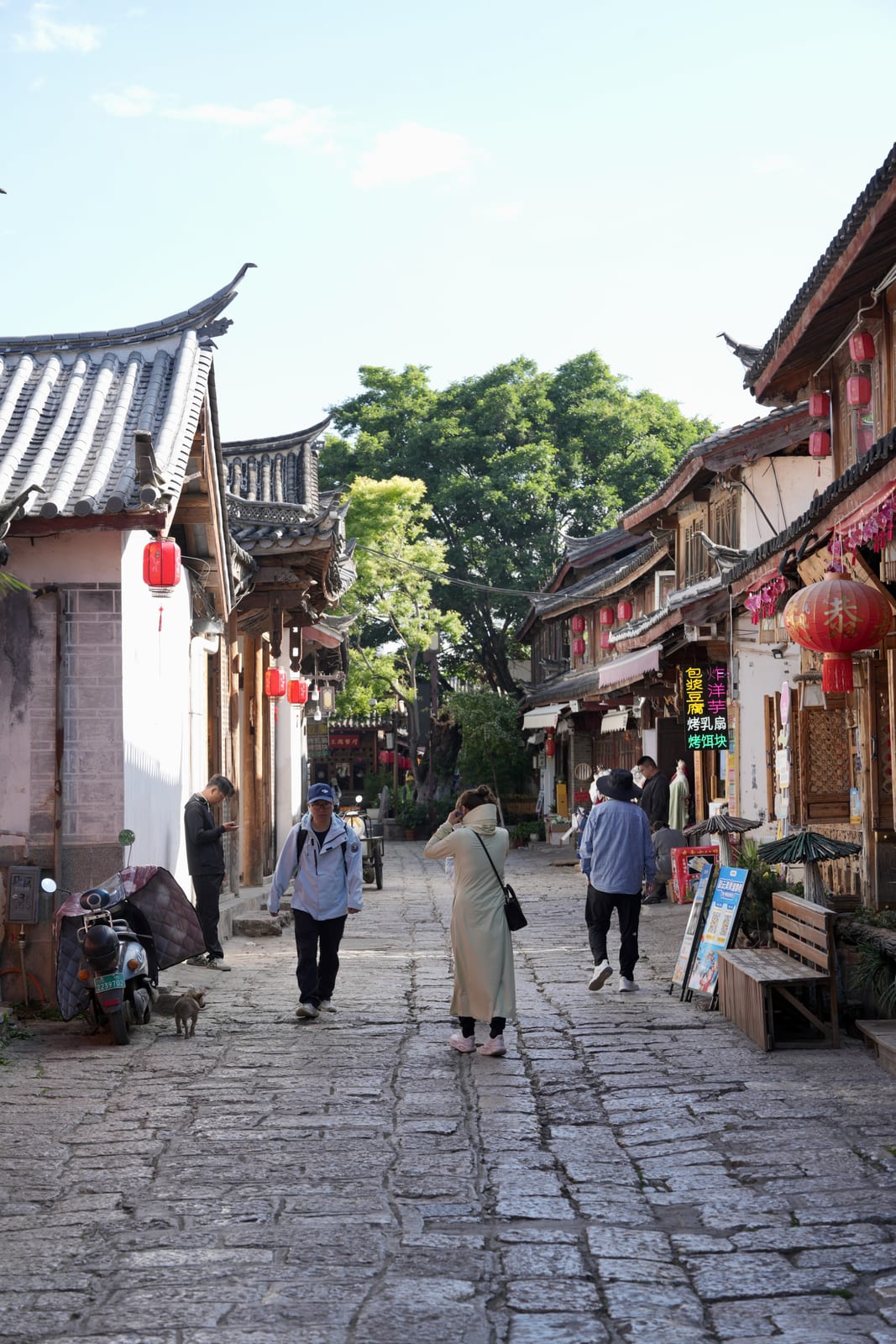
Baisha — the one that stays with you (白沙)
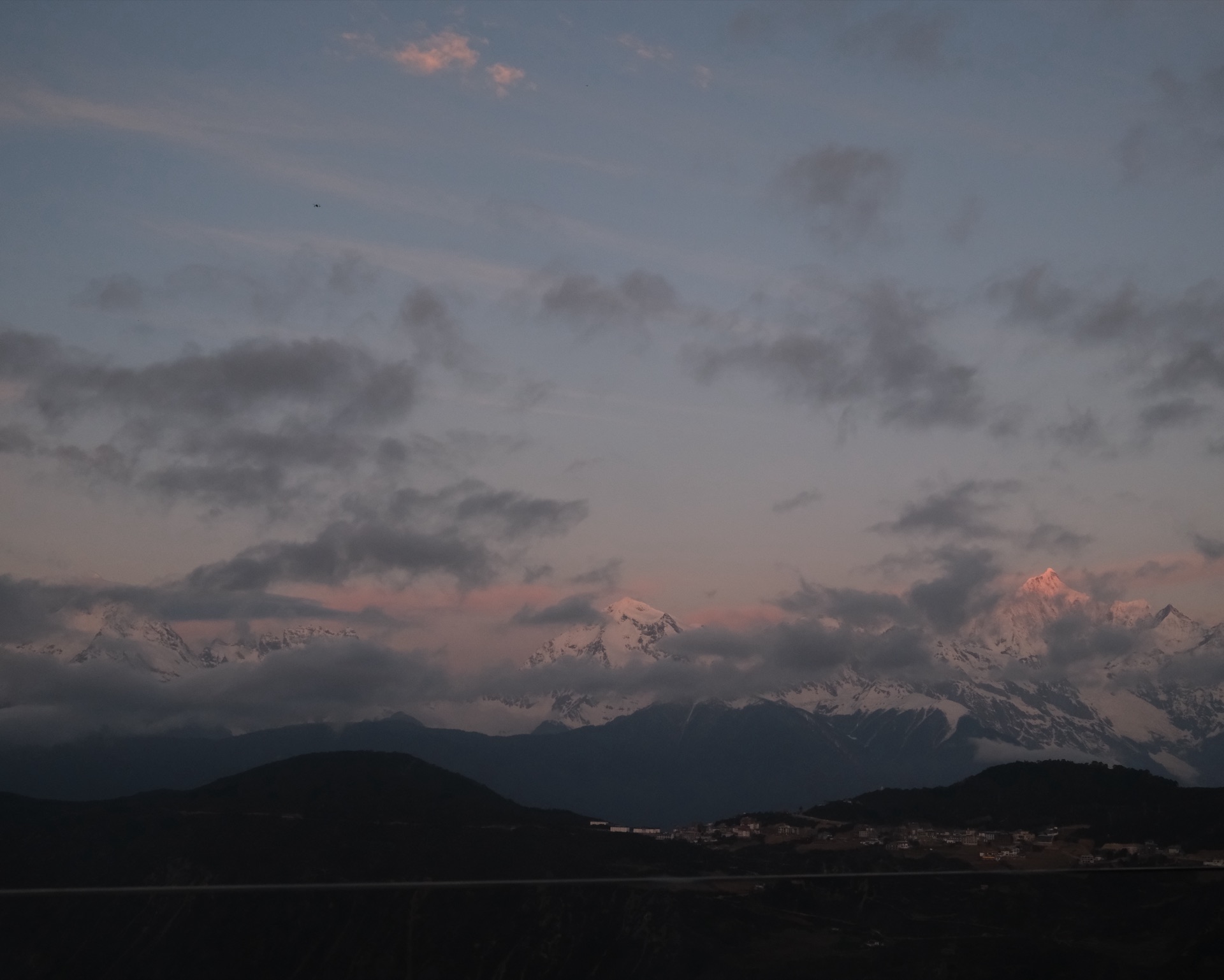
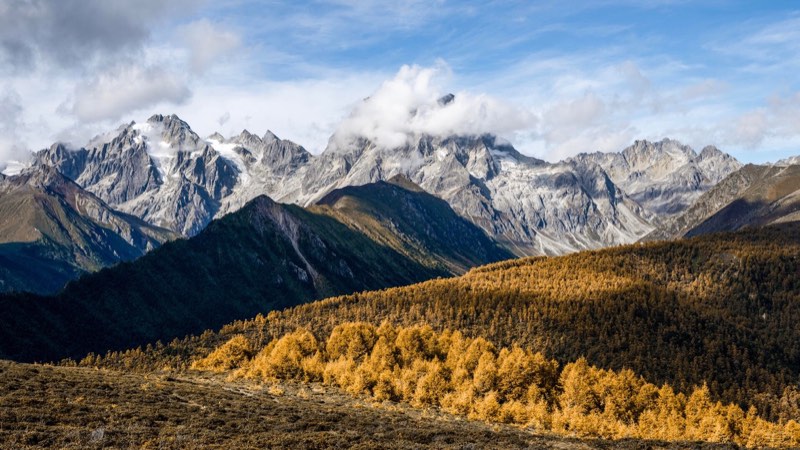
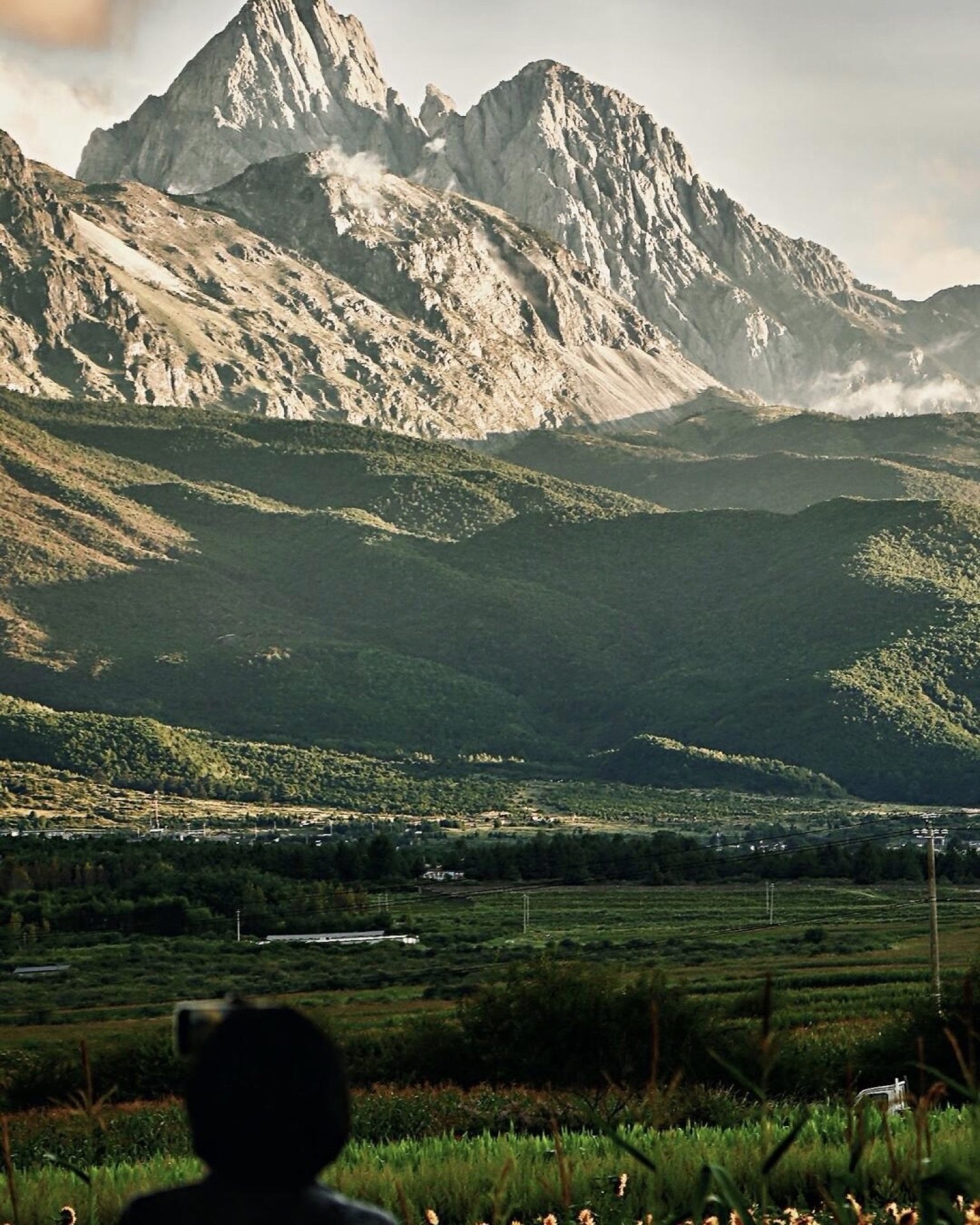
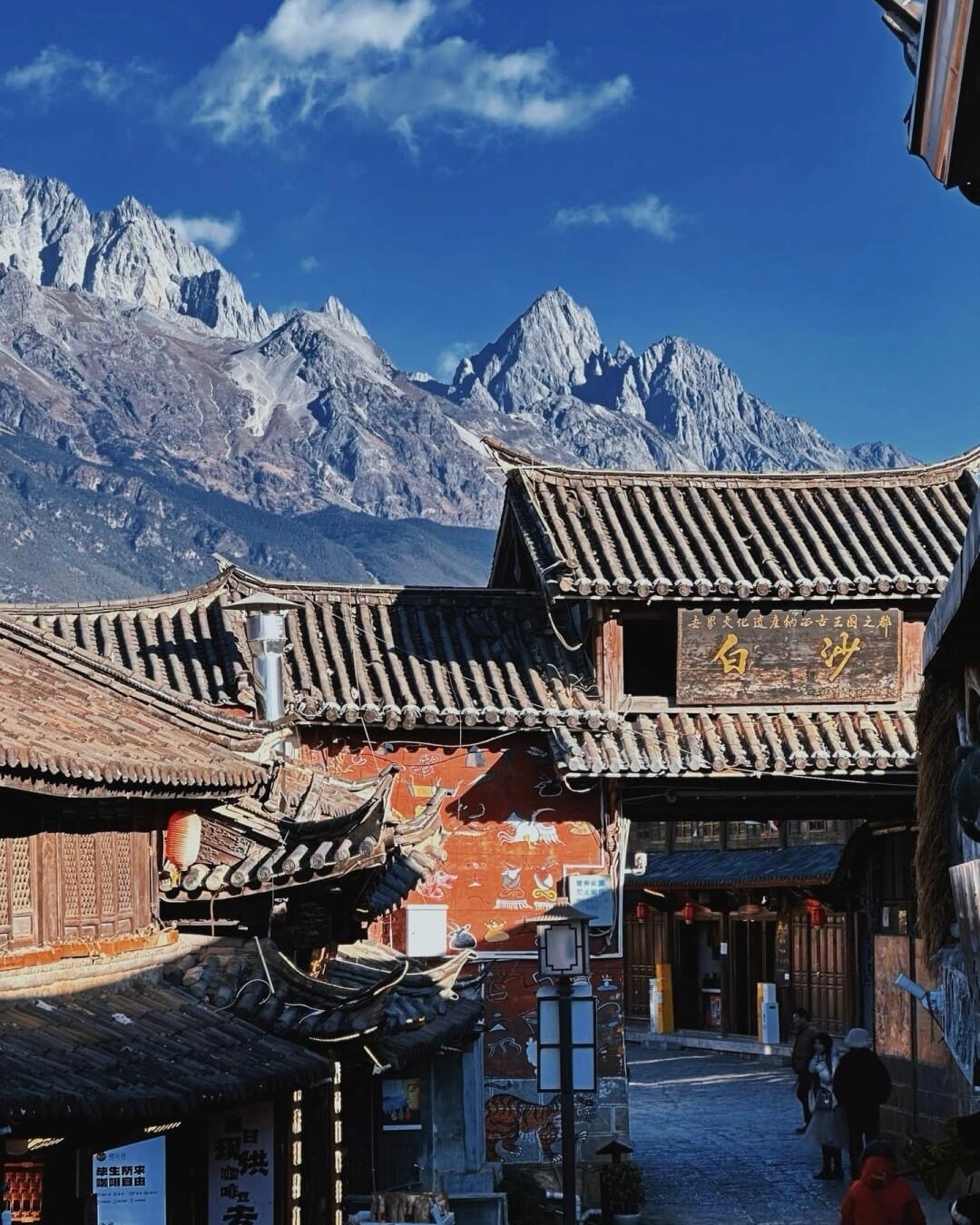
Baisha is the oldest of the three — the Naxi capital before the Mu chieftains moved down to Dayan — and the least touched. Half an hour north by car, right under Jade Dragon Snow Mountain, it’s essentially one street of workshops: embroidery studios, the odd Dongba scholar, and the Baisha Murals — 15th- and 16th-century frescoes where Naxi, Tibetan, Han and Buddhist hands share a single wall. No bars. Barely a crowd. On a clear winter morning the snow peaks sit so close behind the tiled gate that the whole place looks staged, except it isn’t. This is the Lijiang our photographers and culture-first travellers quietly fall for, and where a handful of design-led courtyards like Hylla Vintage have turned old Naxi houses into some of the nicest small hotels in the valley.
While you’re up here
The towns are the anchor, but the reason Lijiang works as a base is everything within an hour of them: Jade Dragon Snow Mountain itself and the milky-blue pools of Blue Moon Valley, the cliff-hung Naxi village of Baoshan Stone City, and quiet Lashi Lake for a morning on the water. Two or three unhurried days covers all three towns and one big day out.
So which Lijiang ancient town should you visit?
All three, honestly — but with intent. Do Dayan early and leave before the coaches arrive. Sleep in Shuhe. Spend your afternoons in Baisha, because that’s the one that stays with you. On our private Yunnan trips we do them in that order and time each visit around the crowds, not the guidebook. Lijiang is also the natural hinge between Dali to the south and Shangri-La to the north — three or four nights here, then up the mountain.
Want the towns without the tour buses? Tell us your dates and we’ll build the timing around them. For the bigger picture, start with our Yunnan travel guide or what a private guide actually does up here.