Shaxi · Tea-Horse Road
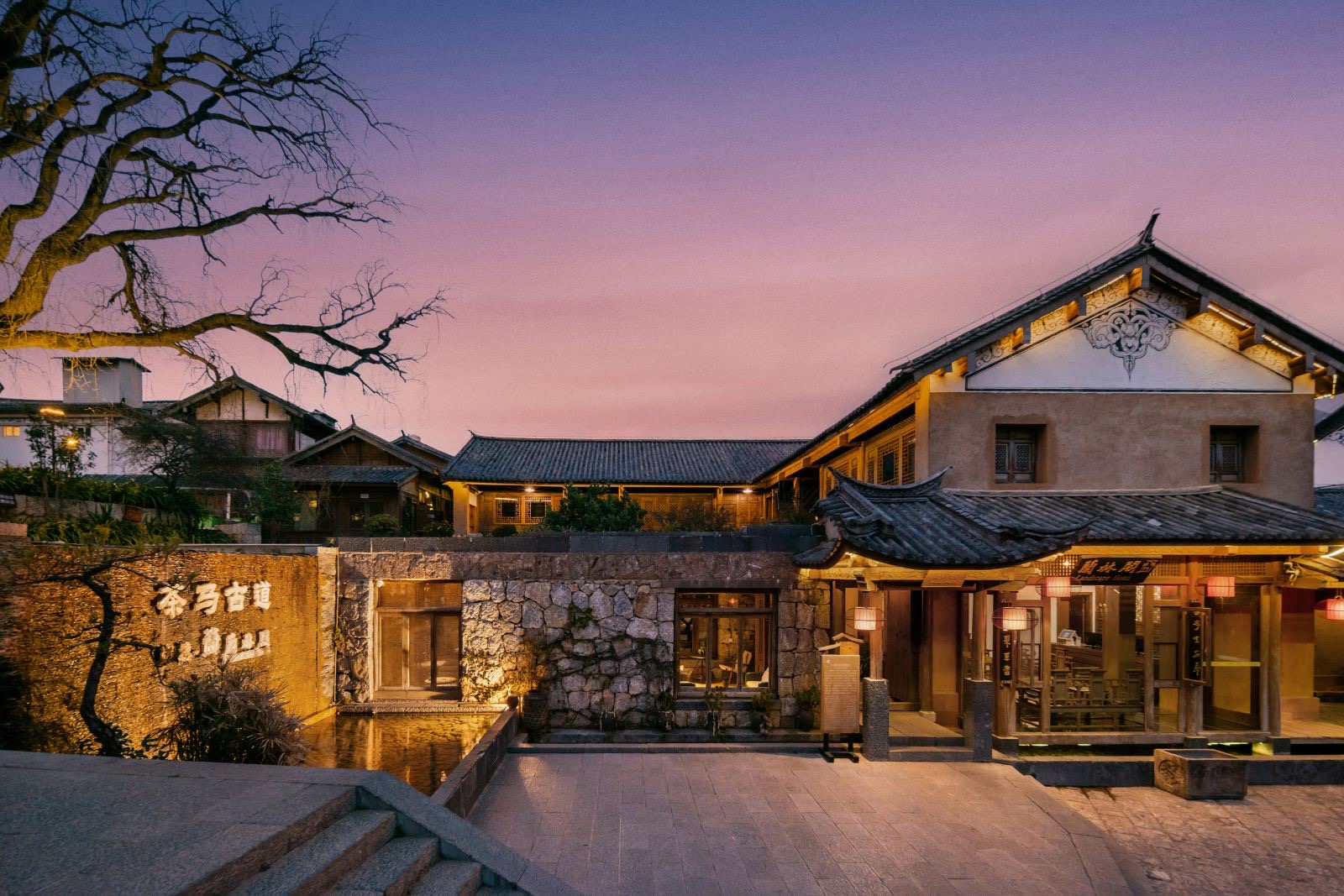
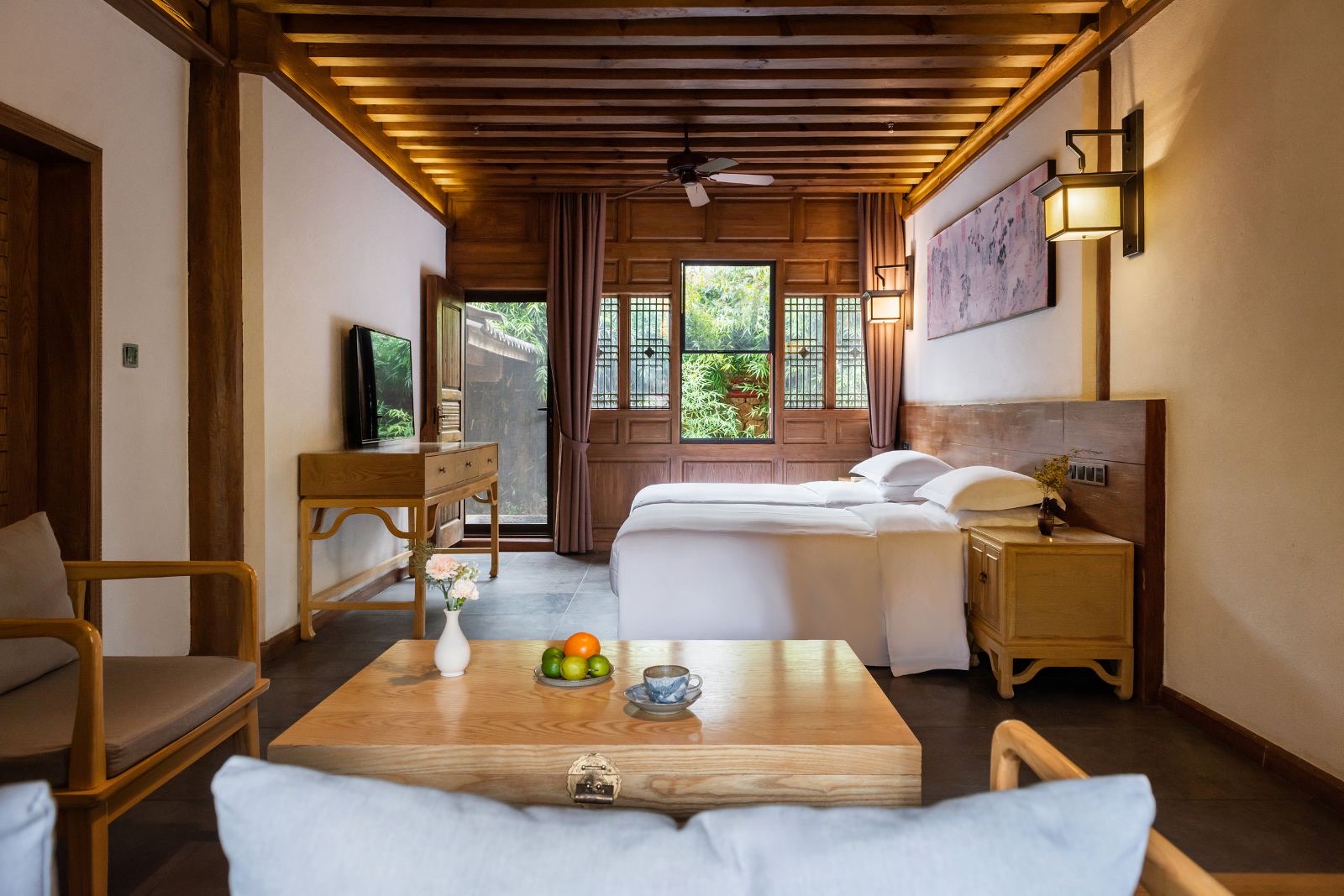
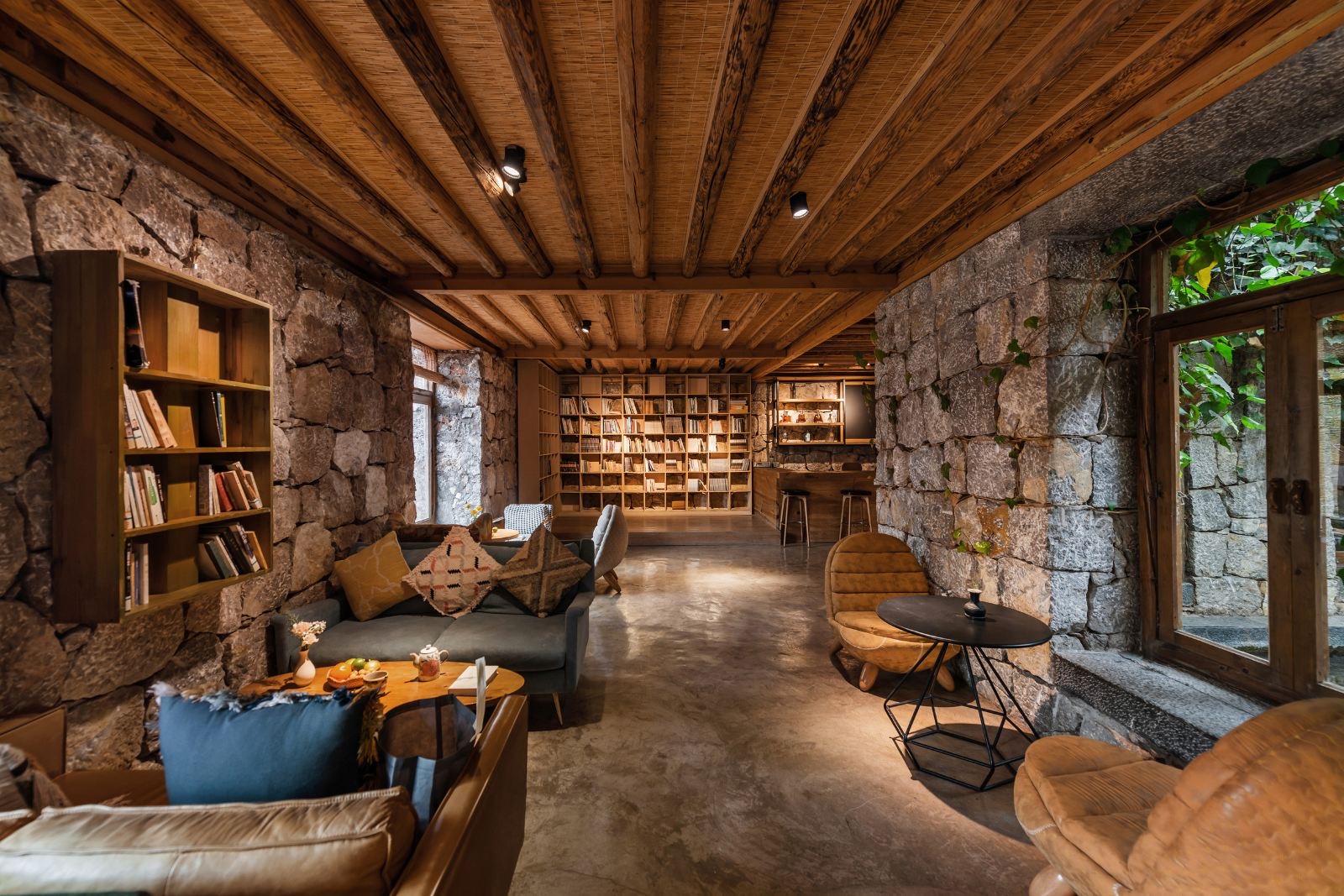
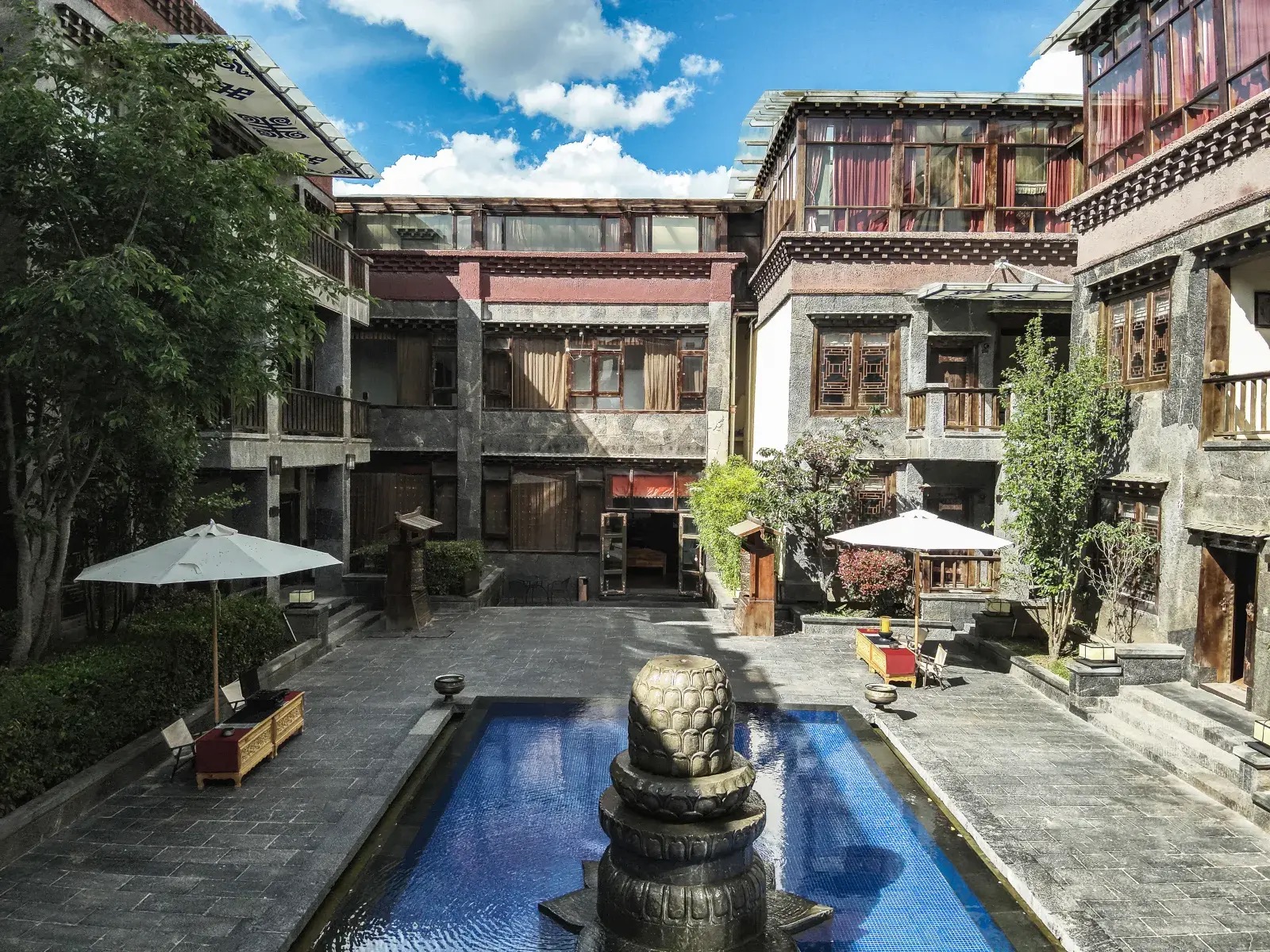
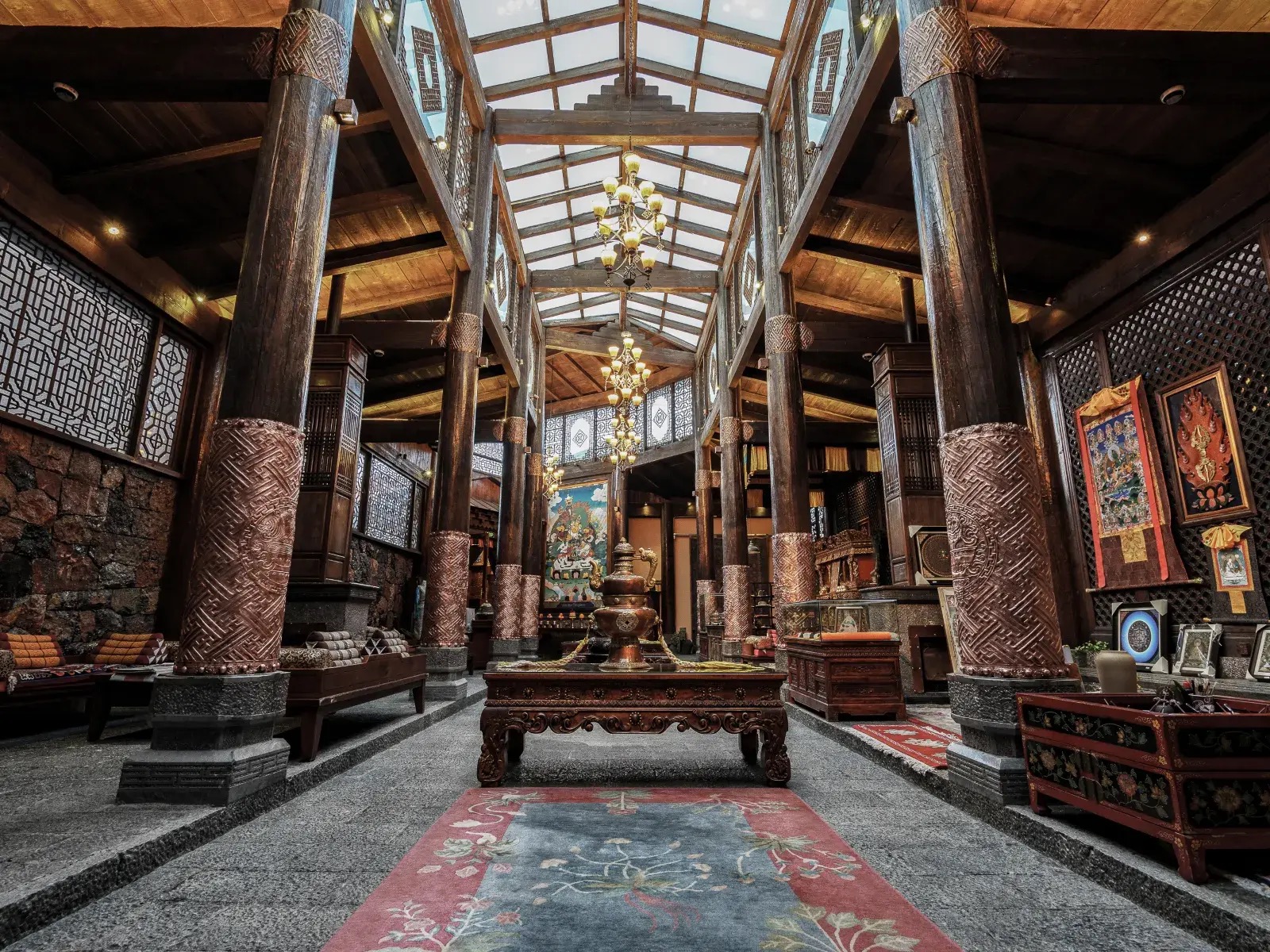
A Bai courtyard hotel on Shaxi’s Sideng Street — timber halls around a lily pond, with a stone-and-beam library for slow afternoons.

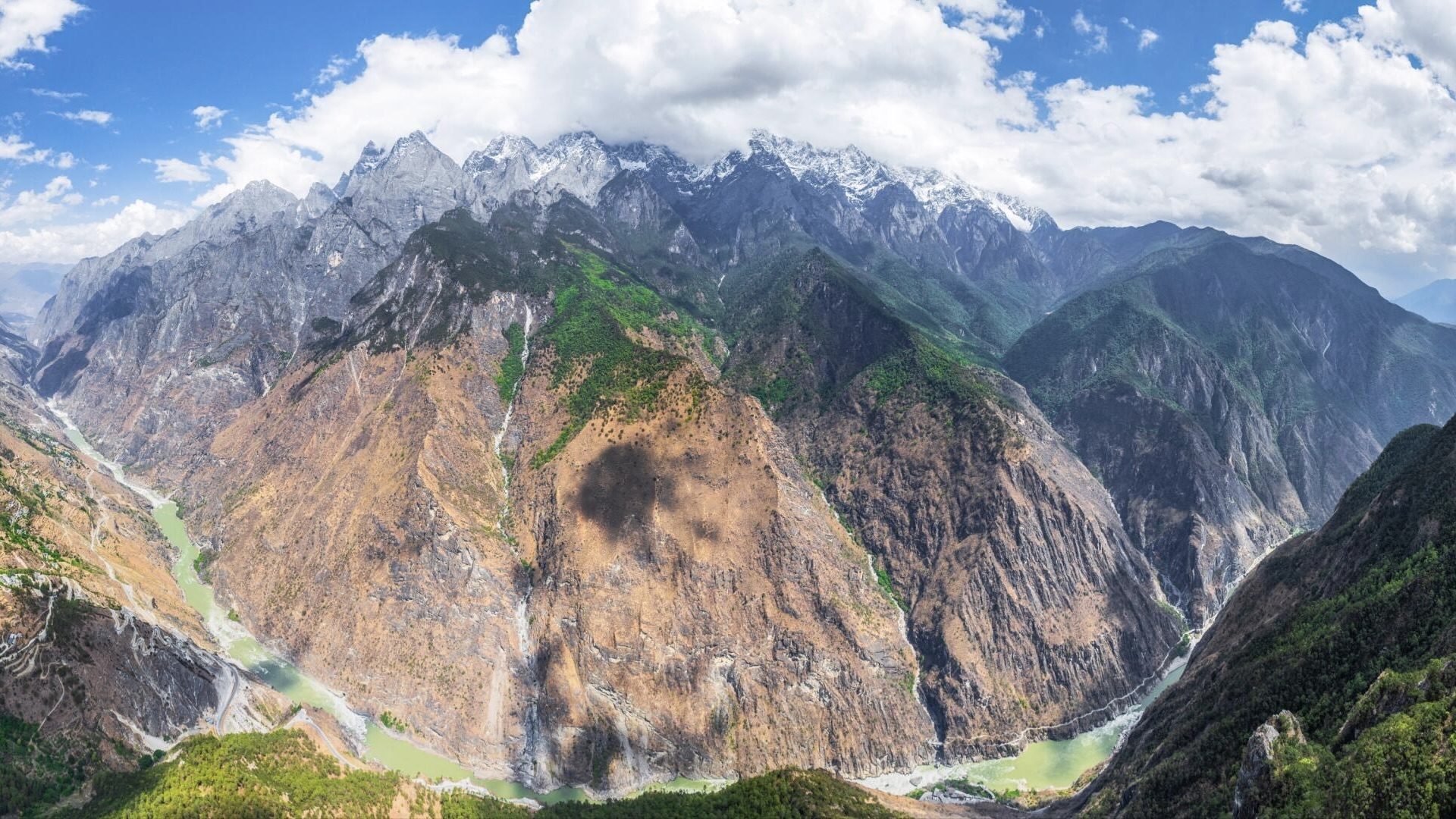
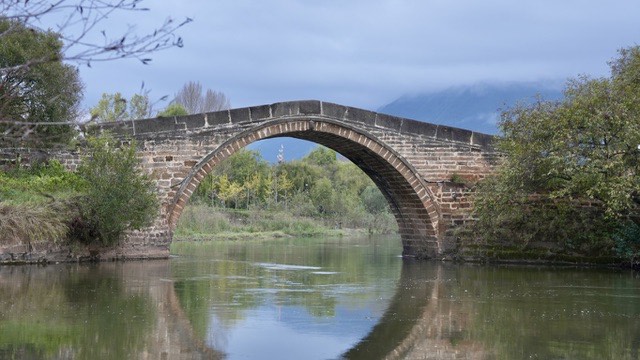
Your driver meets you at Lijiang Sanyi (LJG) — most travellers fly in via Kunming (KMG) or direct from a Chinese gateway — for the scenic 1.5–2 hour drive south to Shaxi. Prefer rail? Take the high-speed train from Kunming to Heqing (~3 hours, business class) and stop at Xinhua Village (新华村), a working Bai silversmithing community, on the final 1.5-hour drive west. Either way you land on the edge of Sideng Square — the last fully intact Tea Horse Road market town in Yunnan. An early night to settle the body at 2,000m.
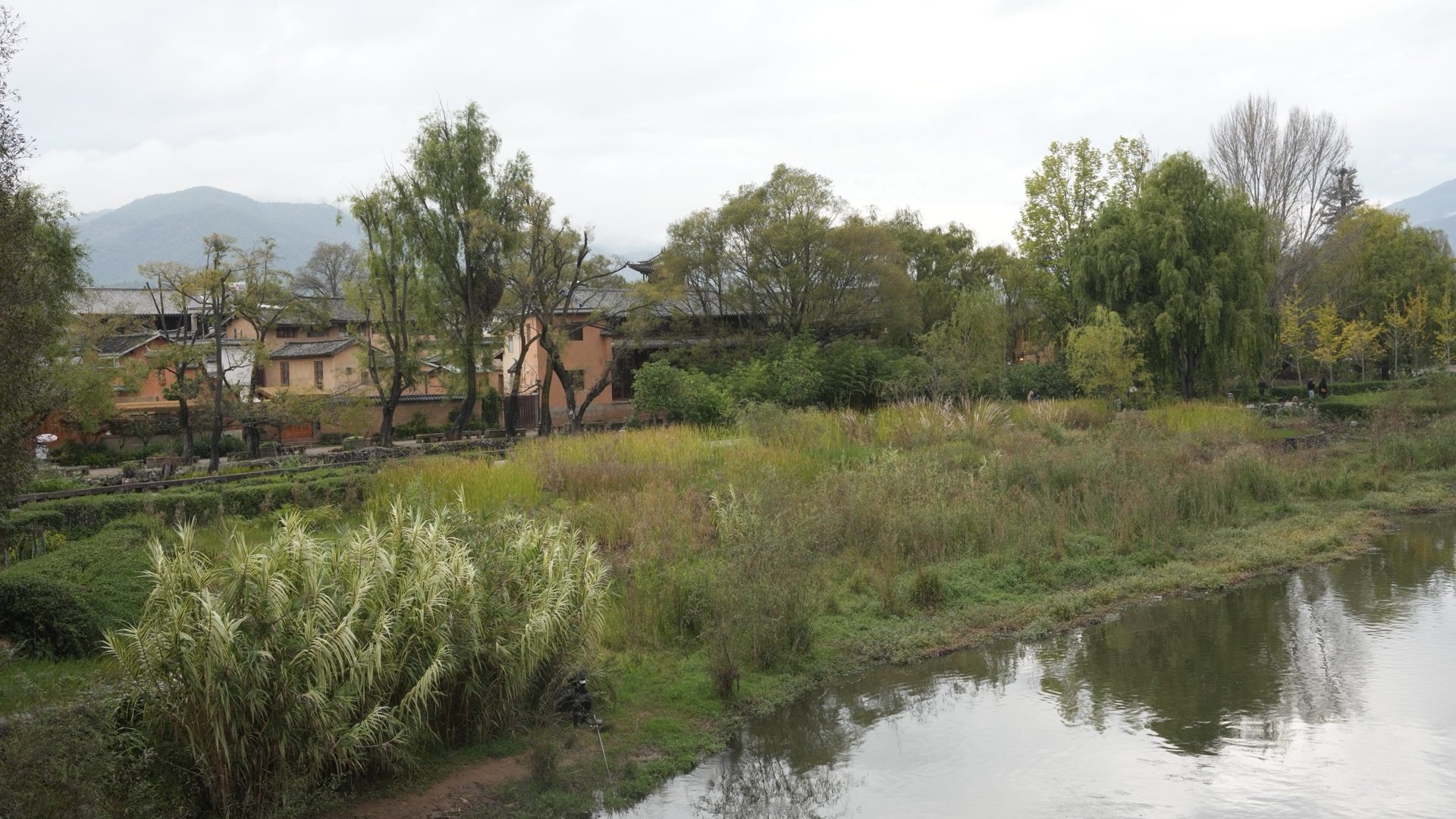
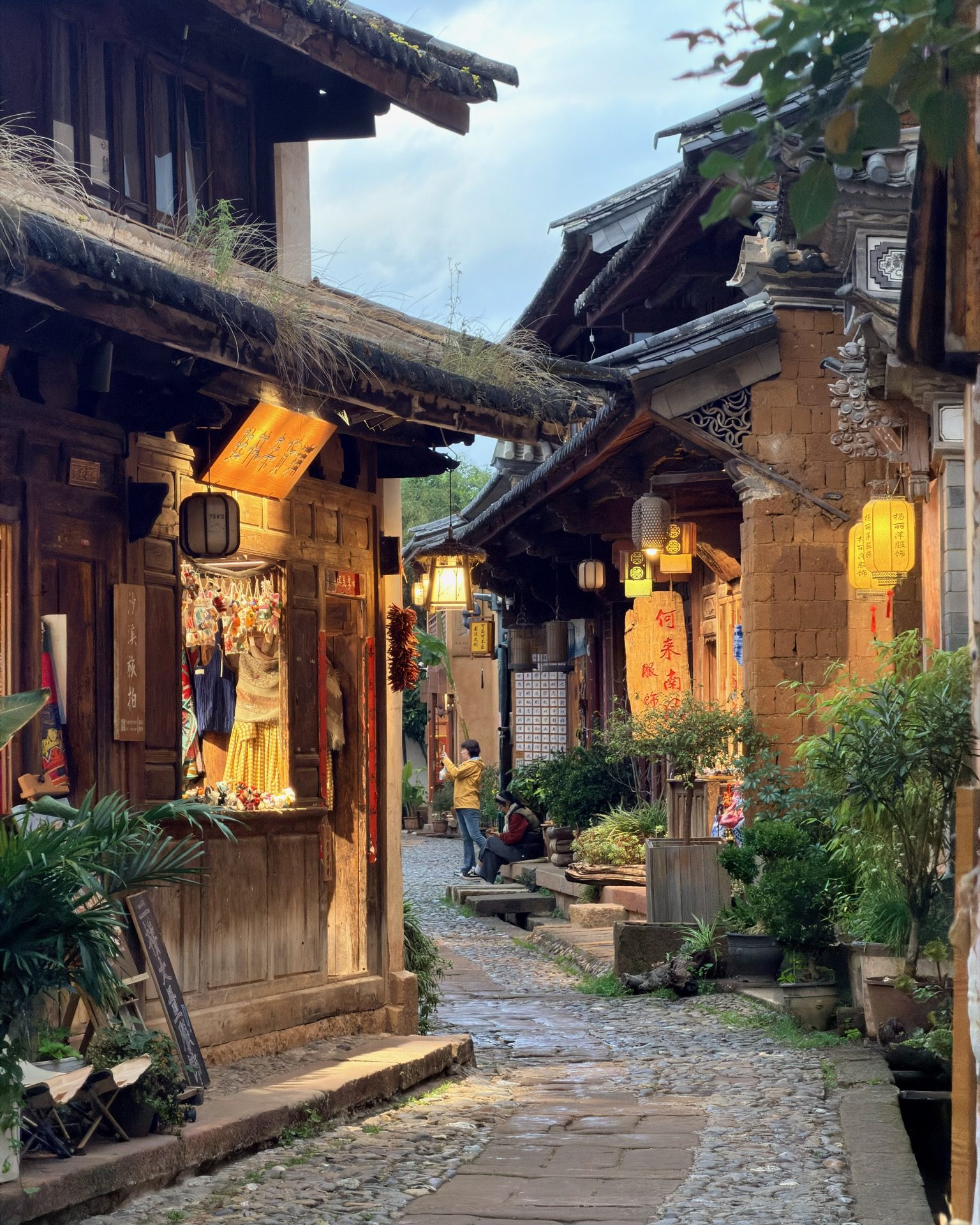
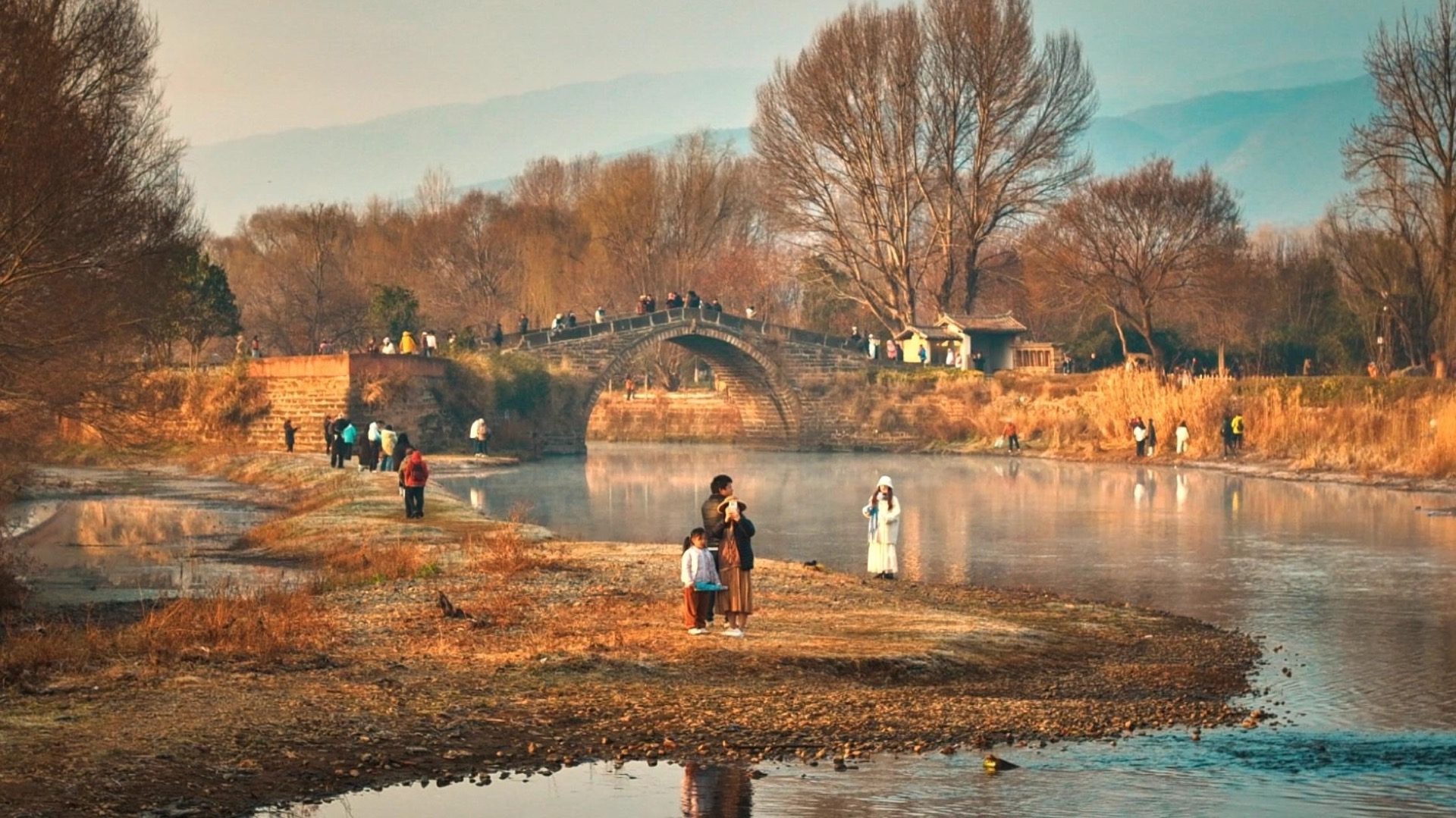
Early coffee at Sideng Square — the carved stage-house and gateway stand empty at first light, before the morning market fills the square. If your timing aligns with the Friday market (if dates align), Bai and Yi traders come down from the hills with grain, livestock and mountain produce: a working caravan-era market, not a tourist performance. An optional horseback ride follows, along a quiet stretch of the Ancient Tea Horse Road — the same route Tibetan caravans used to move compressed Pu'er north to Lhasa for six centuries.
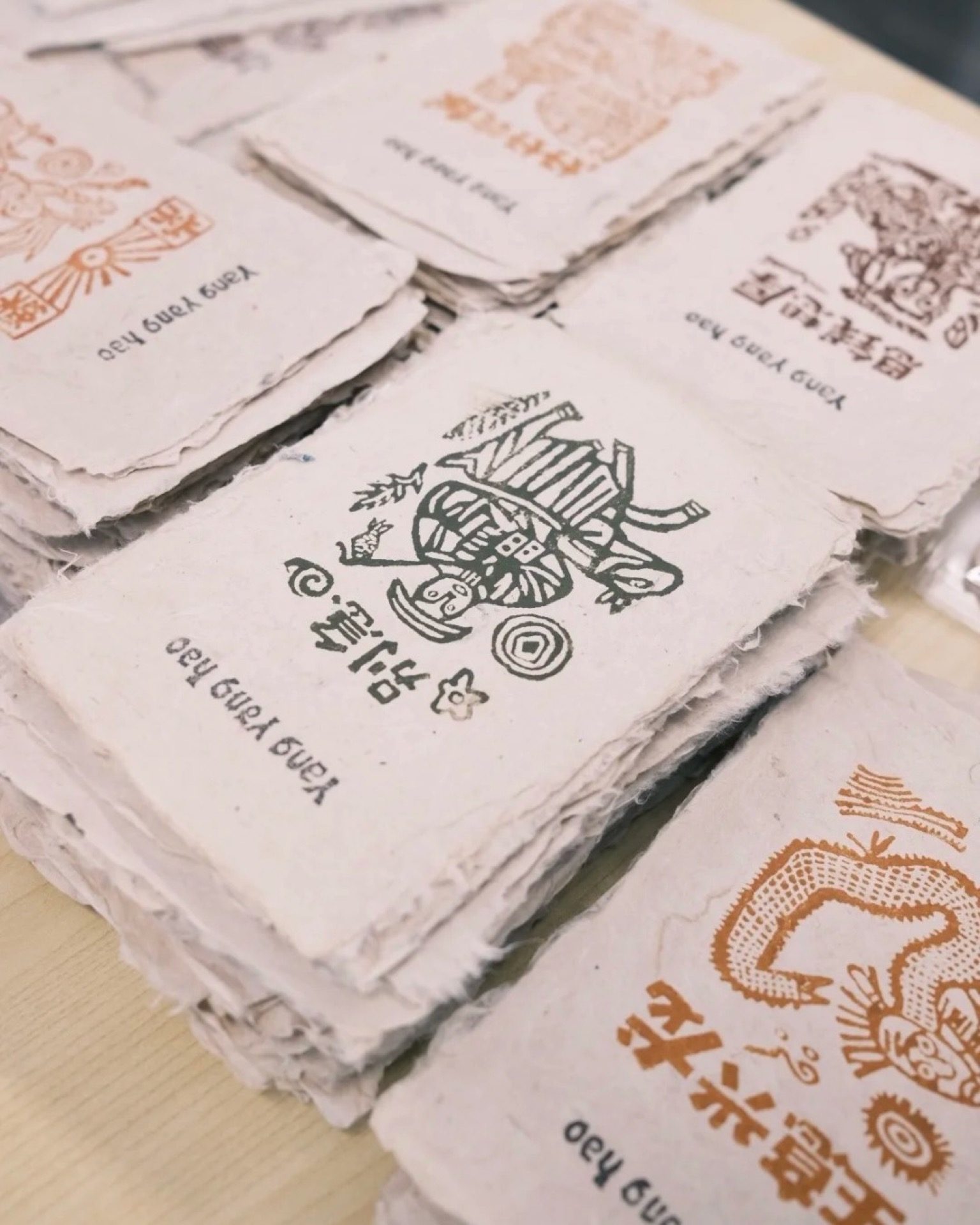
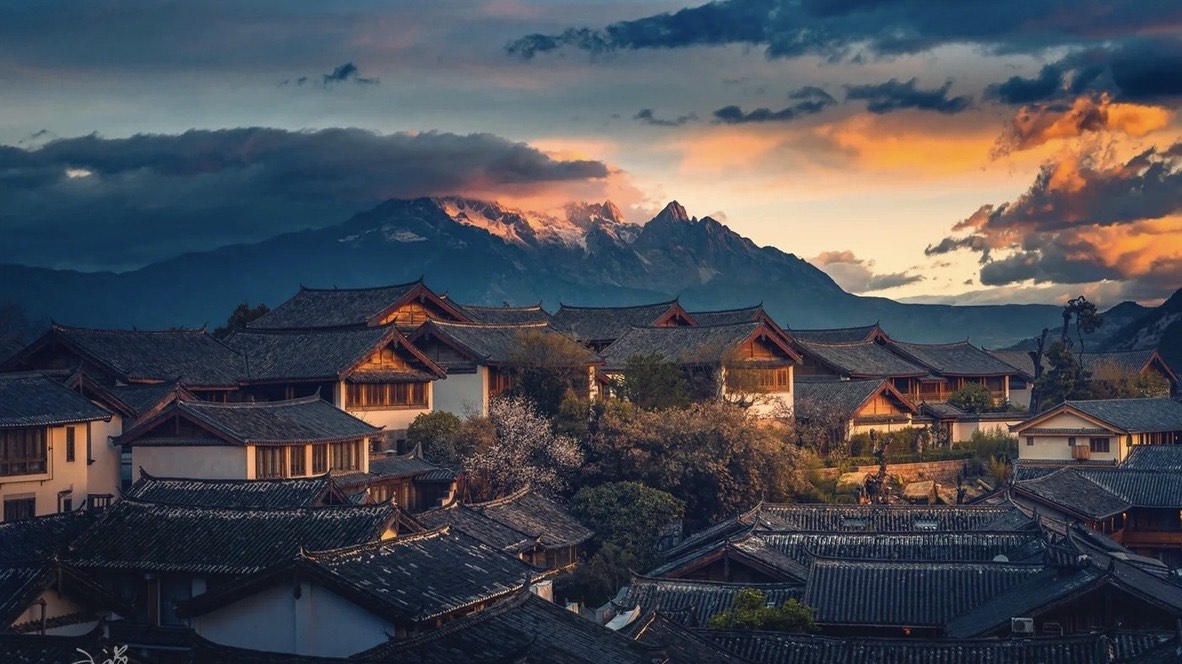
A slow Shaxi morning at Xingjiao Temple (兴教寺), the Bai Azhali tantric temple on Sideng Square that anchored the caravan-era market — its surviving murals are the oldest in the region. Then the 1.5-hour drive north to Lijiang, settling in just outside the busiest stretch of the Dayan Old Town. Late afternoon belongs to Black Dragon Pool Park (黑龙潭): the pool famous for mirroring Jade Dragon Snow Mountain (玉龙雪山, 5,596m), willow-shaded paths, and the gentlest possible introduction to Lijiang.
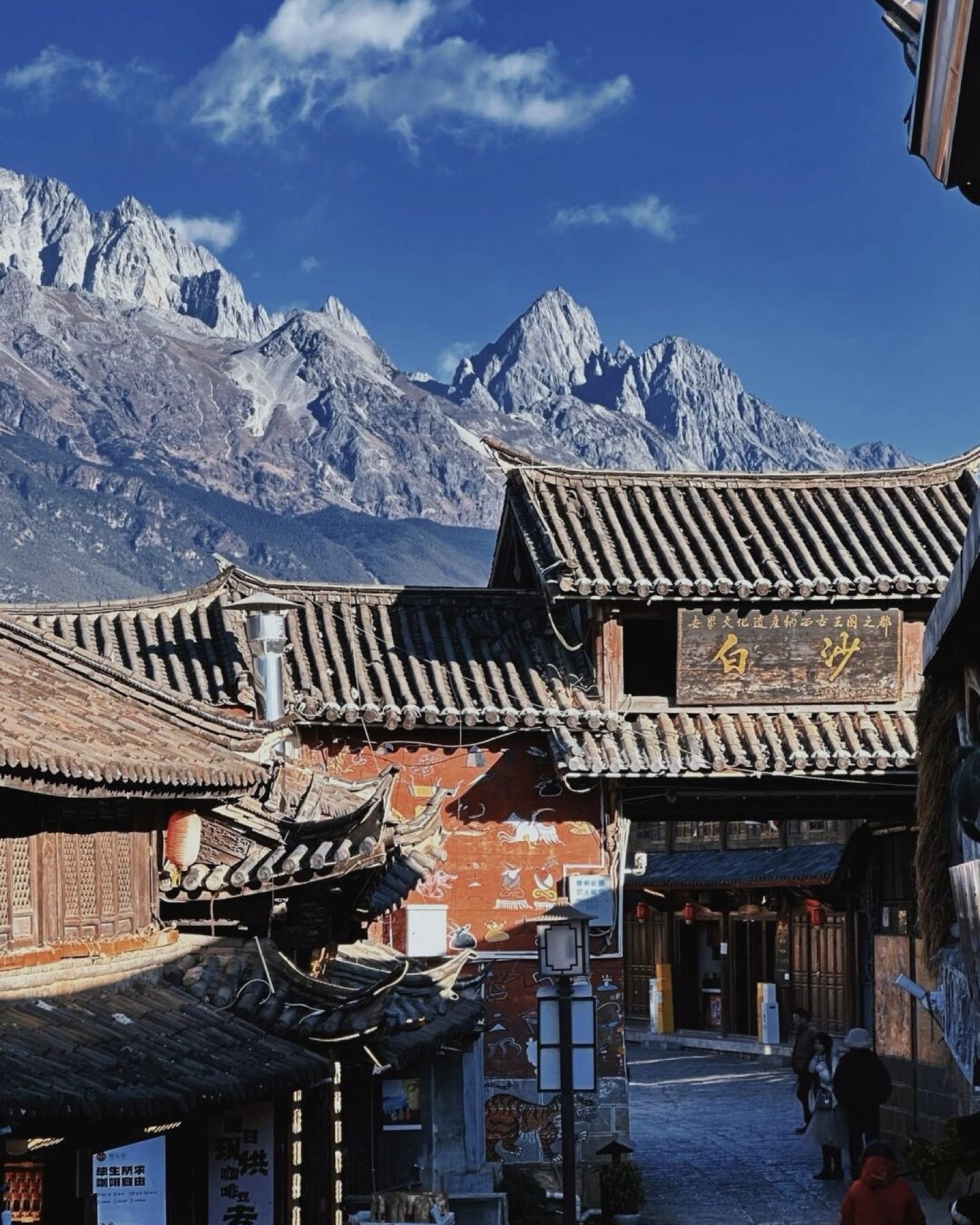
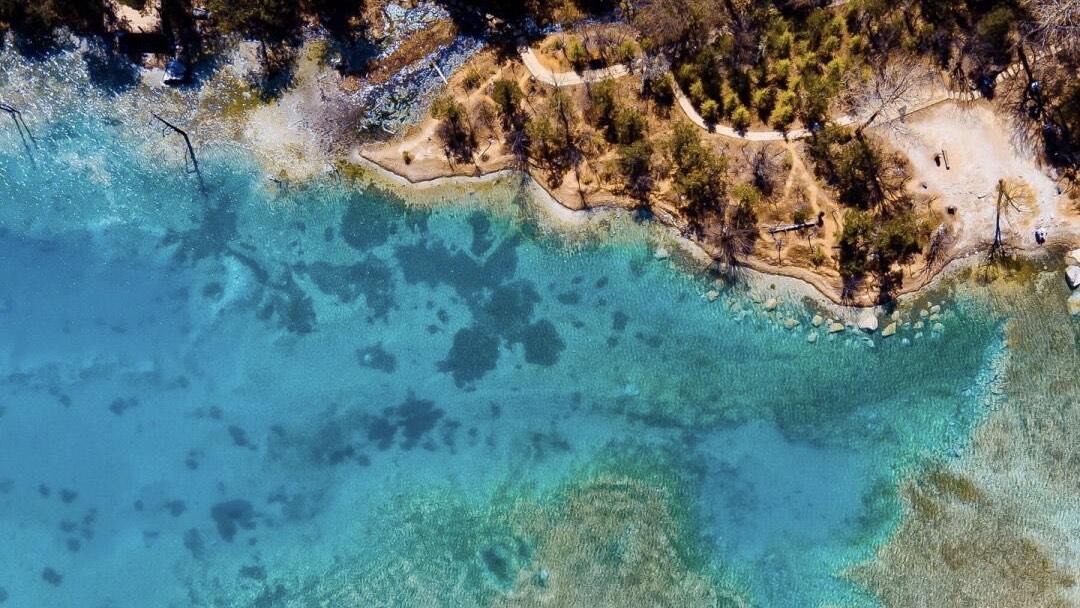
Baisha Old Town first: the 600-year-old Ming-and-Tibetan Buddhist murals are housed in three small temples — quiet, undemonstrative, the oldest cycle of its kind in Yunnan. Then, weather permitting, an optional cable car to Jade Dragon Snow Mountain's Glacier Park boardwalk at 4,506m. Pace yourself and bring layers; the altitude gain is real, and the views into the glacier basin are the trip's first proper high-mountain moment. Descend to Blue Moon Valley (蓝月谷), five turquoise glacial pools below the snow peaks, for an easy walk around the lower lakes. Evening option: 'Impressions Lijiang', Zhang Yimou's open-air performance — 500 Naxi performers staged at the foot of the mountain.
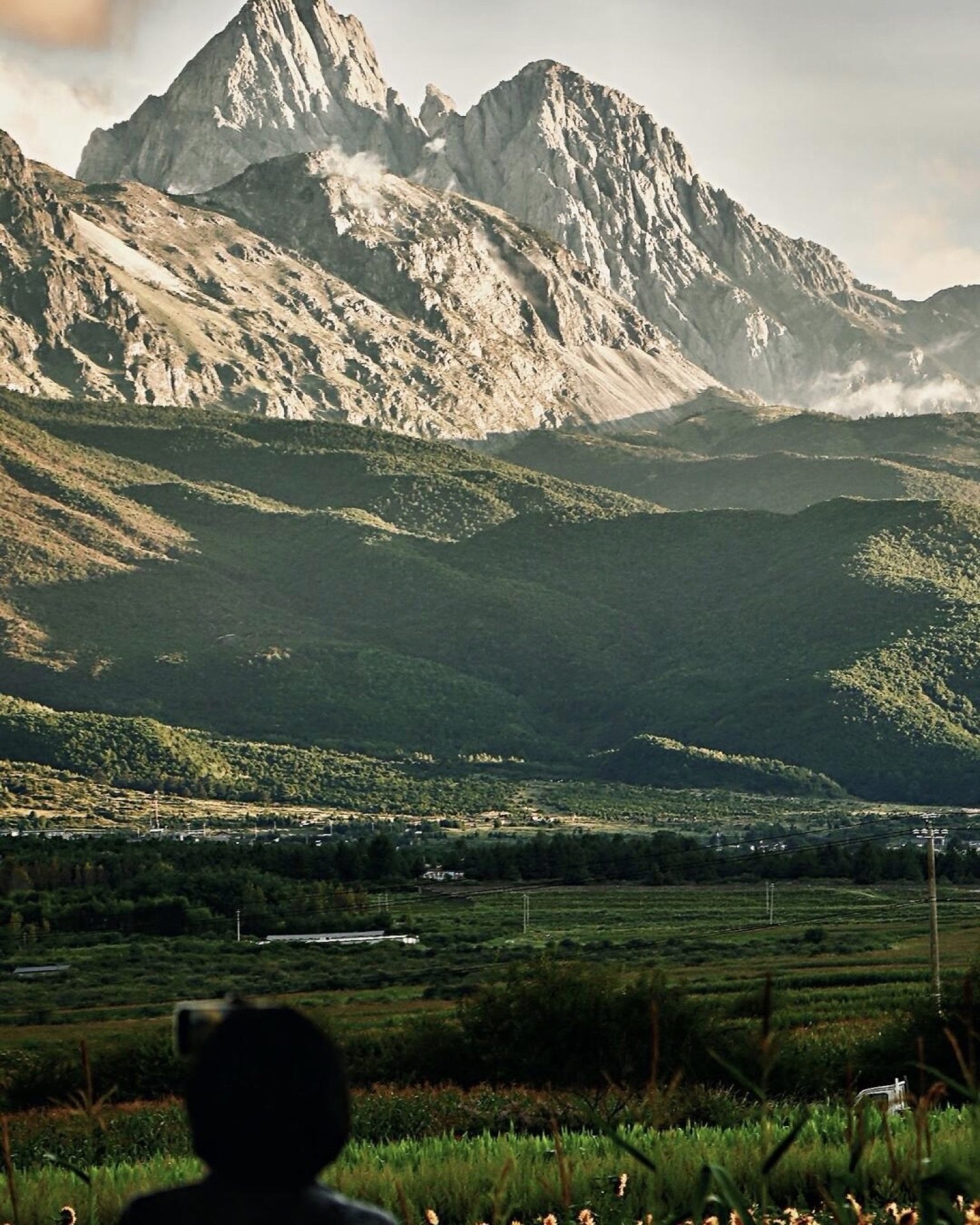
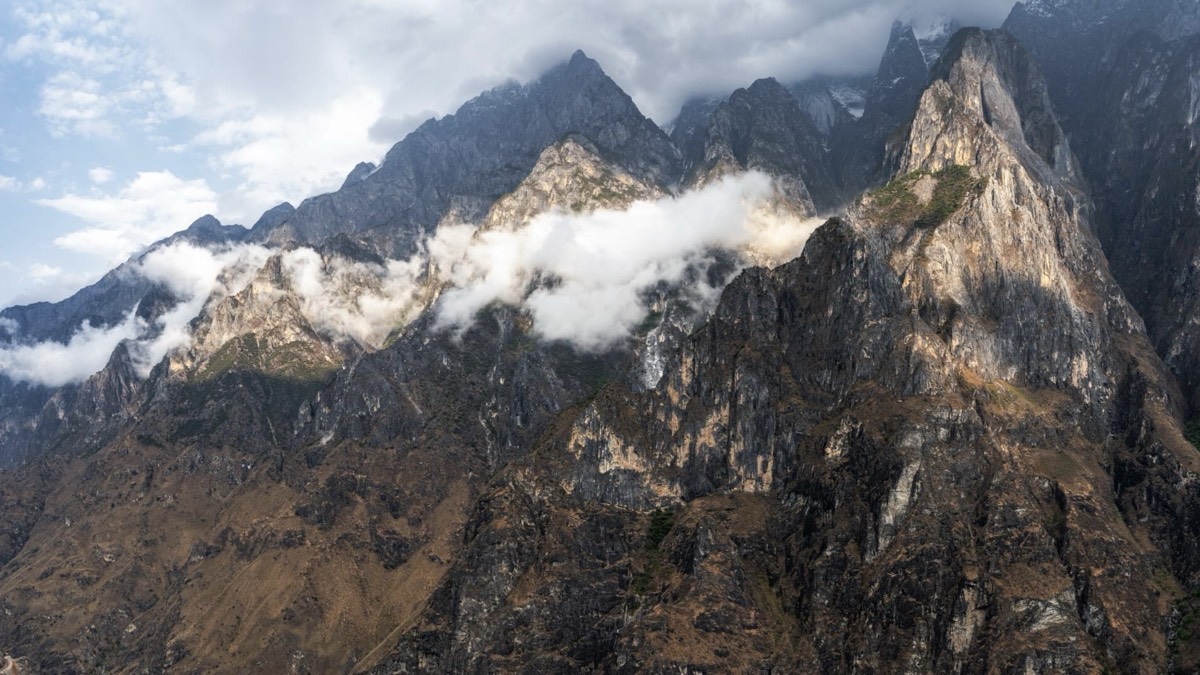
Ease into it at Lashi Lake (拉市海), a tranquil wetland on the Lijiang plain — thirty minutes along the willow paths, the right pace for the day ahead. Then drive two hours north to Tiger Leaping Gorge (虎跳峡) and settle in at the halfway point of the high trail, the Jinsha River 2,000m below. The half-day on the classic high trail follows: 800m of elevation gain on cliff-edge traverses, panoramas of the gorge and Haba Snow Mountain (5,396m) across the river.
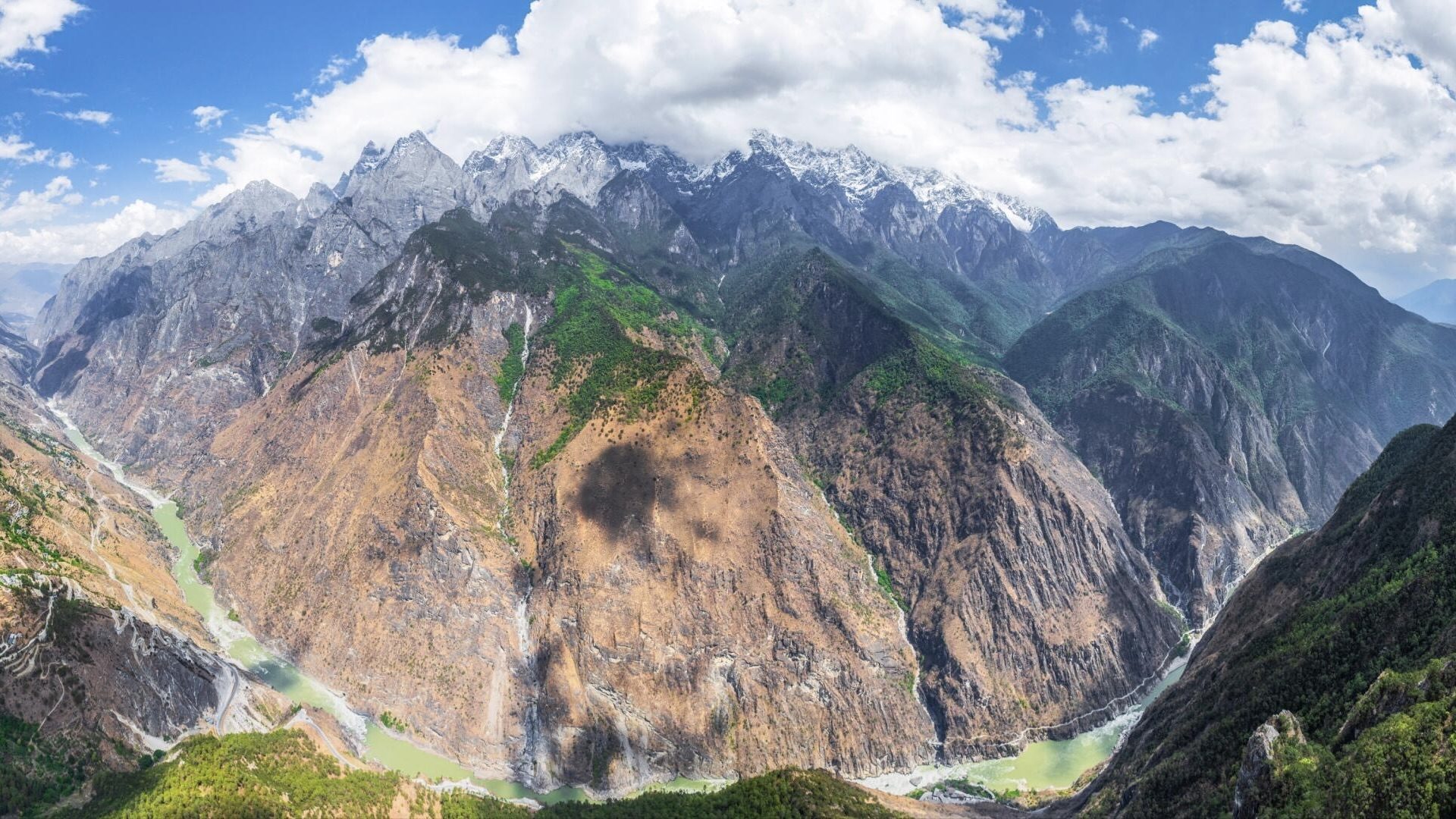
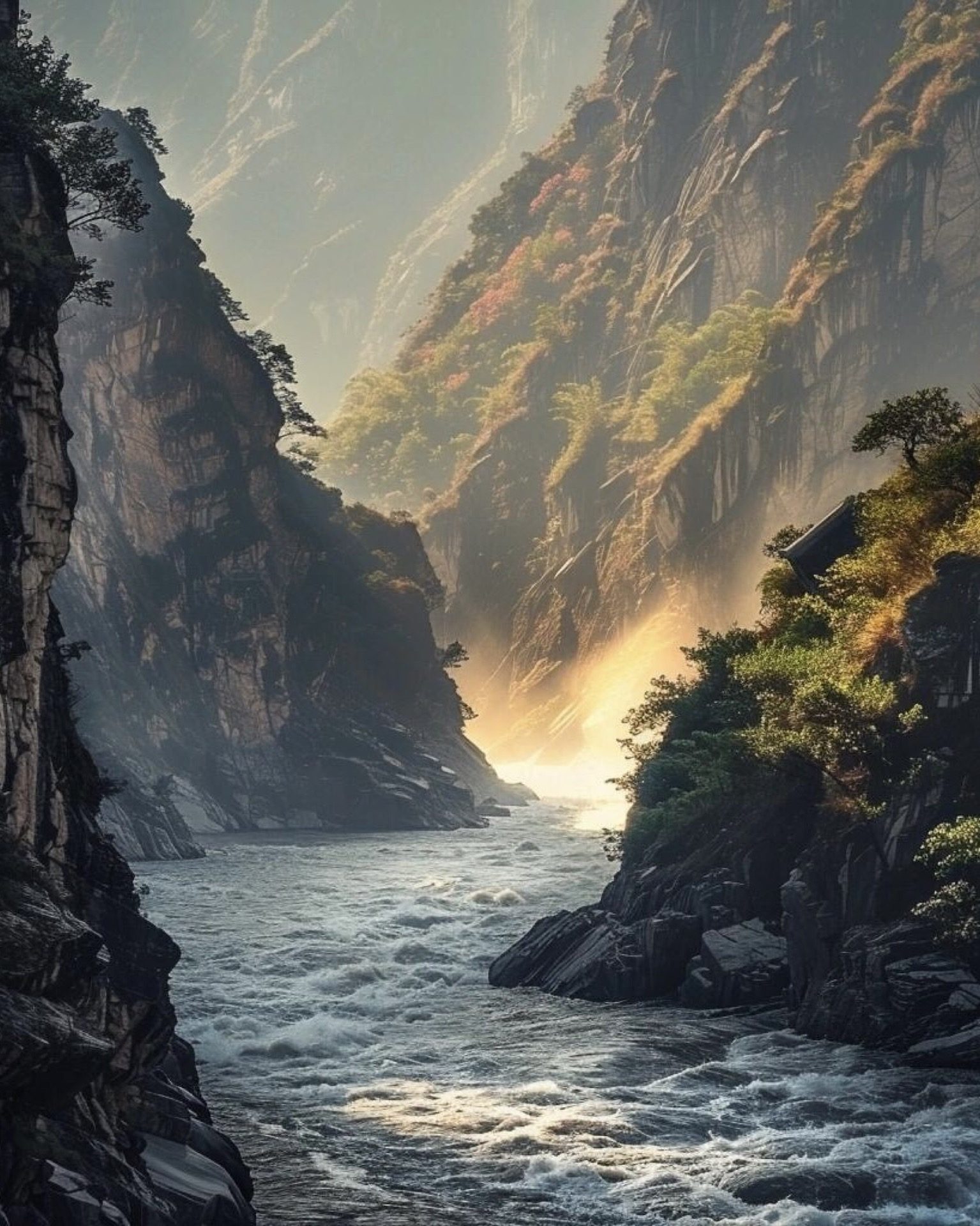
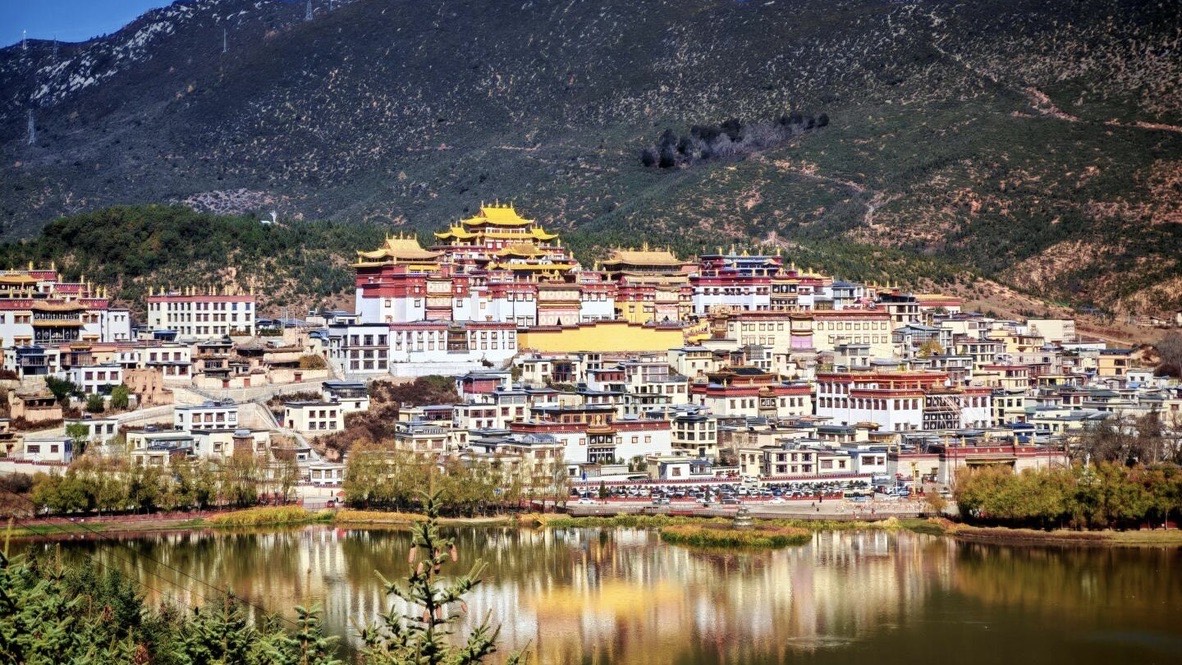
Finish the high trail in the morning, dropping to the road head and the rapids viewpoint at the foot of the gorge. The three-hour drive north runs via Baishuitai (白水台), the sacred snow-white travertine terraces the Naxi Dongba religion treats as a birthplace — layered limestone in tiers, a short walk, a tea-house break. Arrive in Shangri-La (Zhongdian, 3,280m) and settle into Dukezong Old Town, then catch sunset at Songzanlin Monastery (松赞林寺), Yunnan's largest Tibetan Buddhist complex.
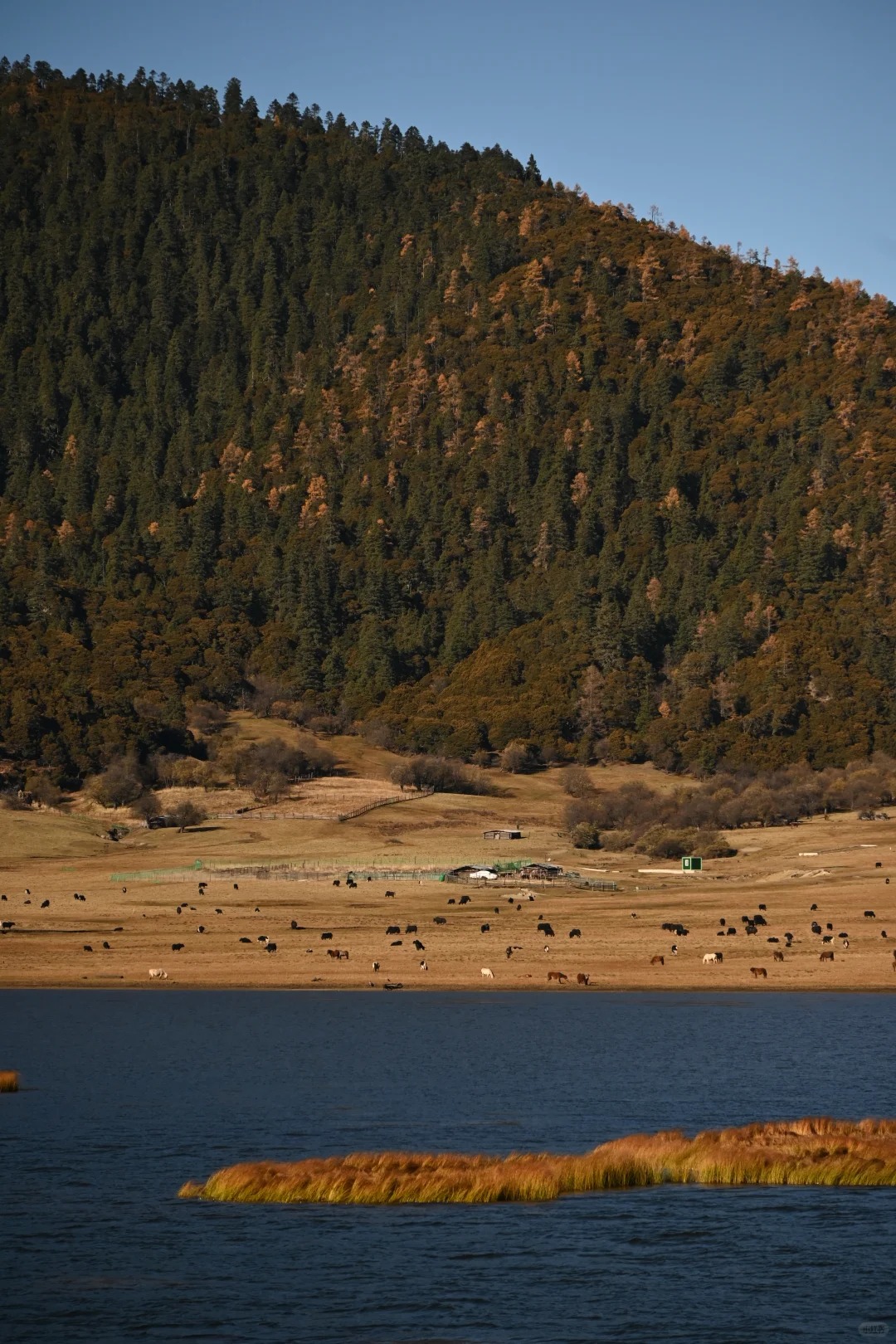
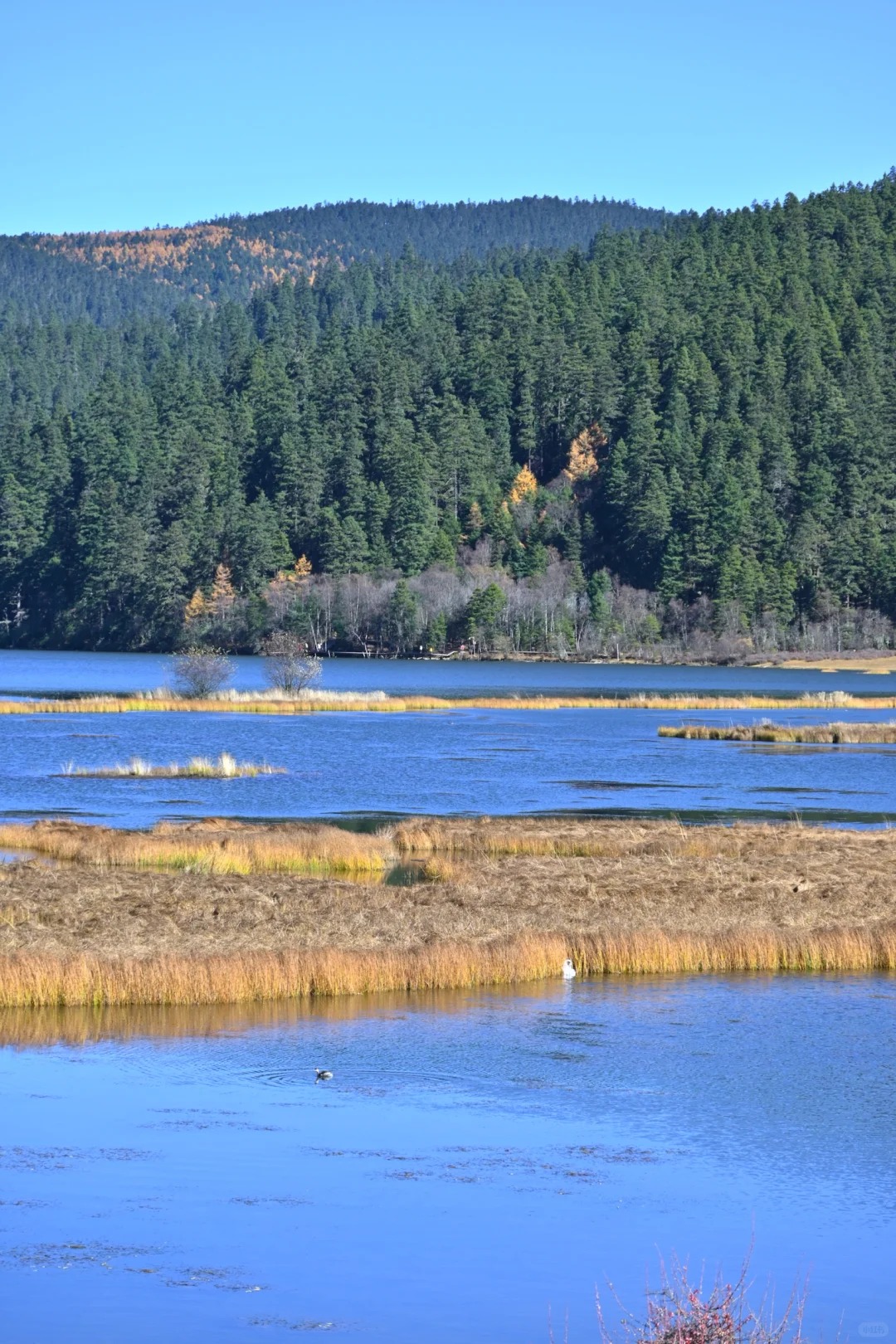
Pudacuo National Park (普达措, 3,500m) is UNESCO-listed for the Three Parallel Rivers biodiversity, and you walk it the right way: boardwalk circuits at Bitahai (碧塔海) and Shudu Lake (属都湖) through old-growth spruce and grassland with yaks — four to five gentle hours. Back in Dukezong Old Town (独克宗古城) by late afternoon: cobbled lanes, gilded rooftops, and the world's largest hand-turned prayer wheel on Guishan hill, climbed at dusk so you join the local crowd for the spin.
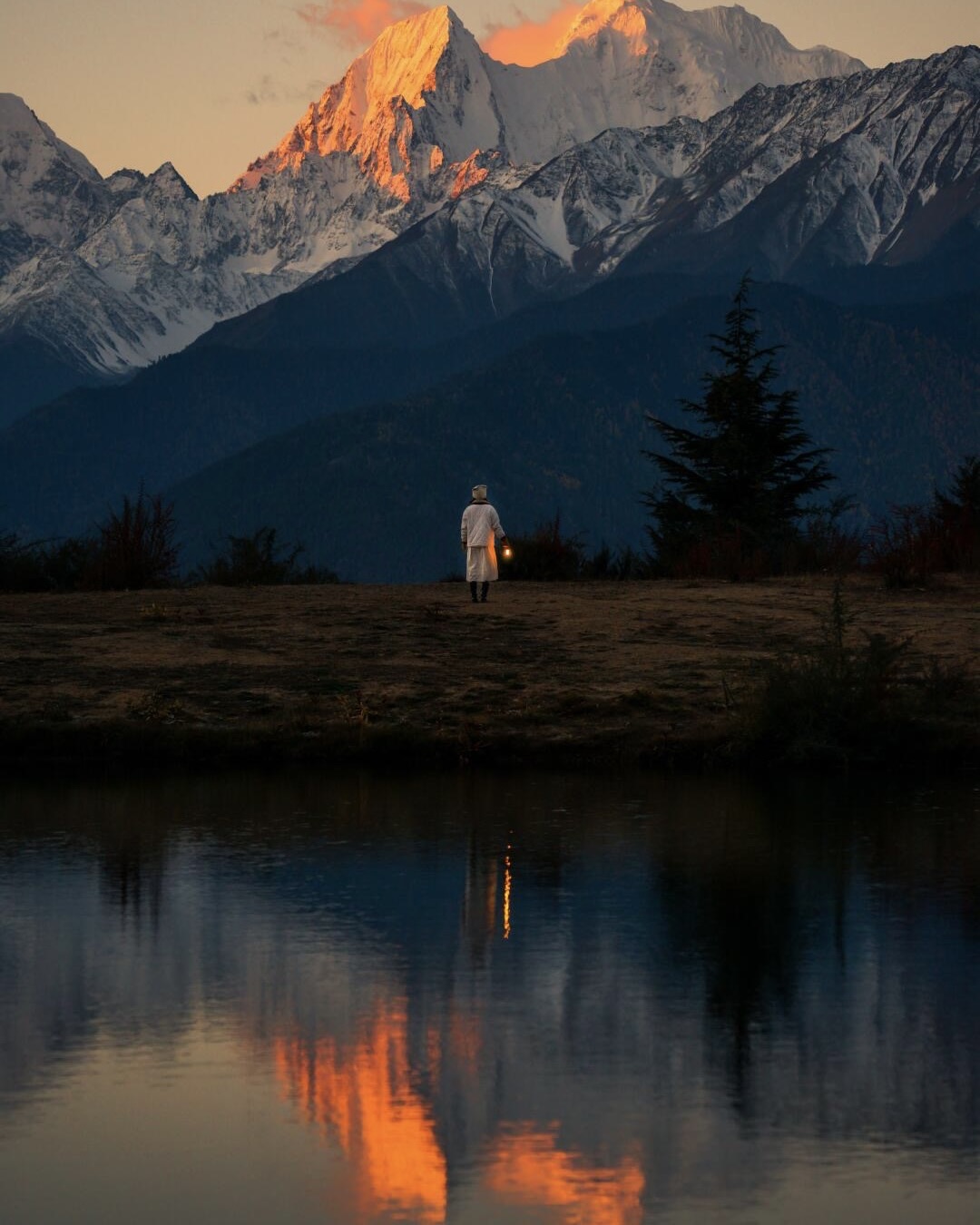
The G214 climbs northwest across the Tibetan plateau for four to five hours, cresting Baima Snow Mountain Pass at 4,292m — driven, not slept on — with prayer-stone piles and panoramic peak views. Lunch in Benzilan (奔子栏) on the Jinsha River, a small Tibetan town whose Rose Honey grape vineyards descend from the same French missionaries who reached Cizhong. Then drop into the Mekong gorge to Feilai Si (3,400m) for your first glimpse of Kawagarbo (Meili Snow Mountain, 6,740m) — the holiest peak in Tibetan Buddhism, never summited, never permitted to climb. At Feilai Si the peak stays in direct view.
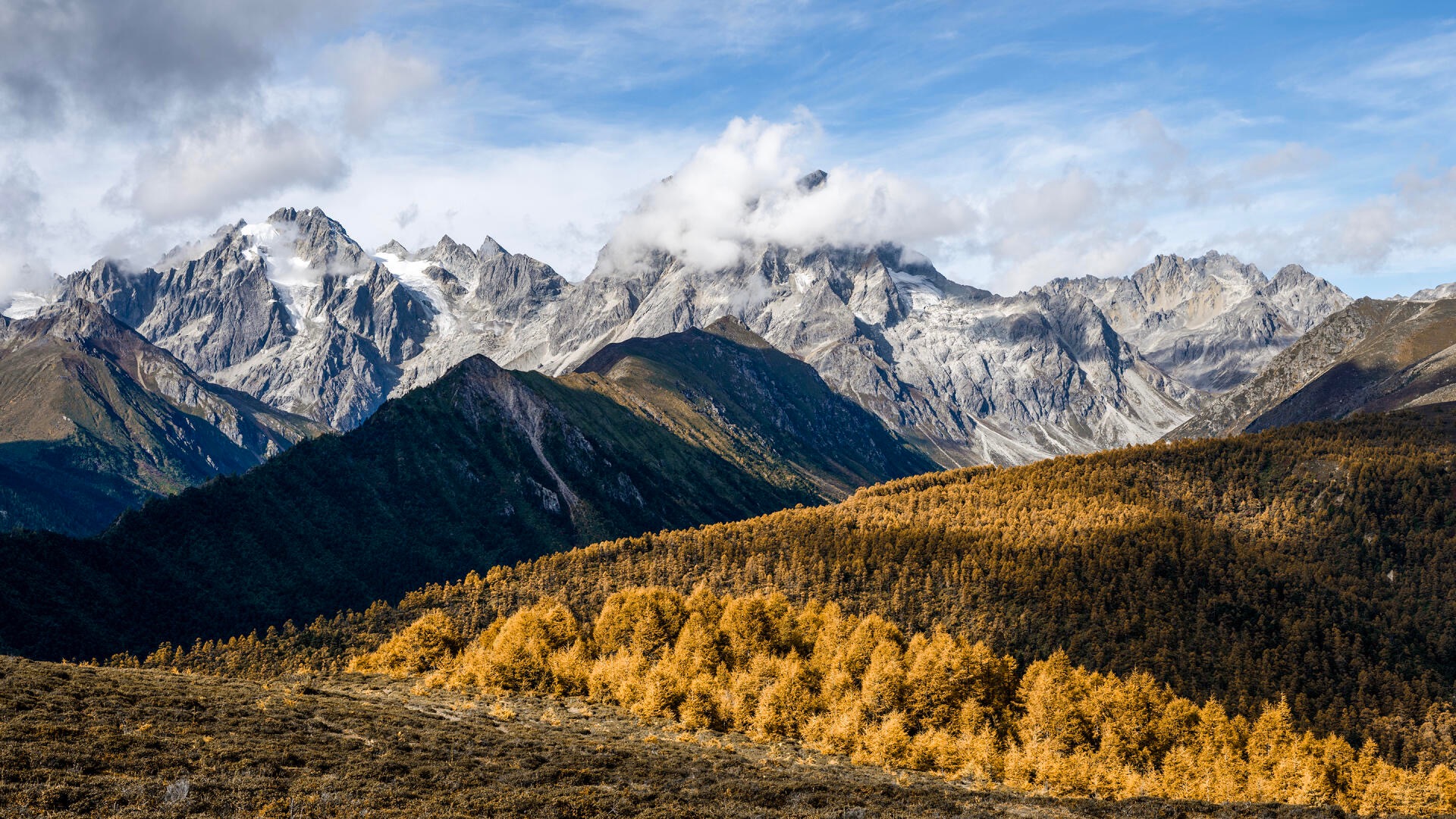

Up at 5:30am for the Feilai Si platform and Kawagarbo's 'golden peaks' sunrise — pink alpenglow building to full gold, ten clean minutes if the weather holds. We brief you honestly: a clear sunrise on any given morning is a meteorological lottery, and you can watch from indoors if you'd rather stay warm. After breakfast, drive three hours south down the Mekong gorge to Cizhong (茨中), where a stone 1909 mission church with Chinese tiled roofs and painted-arch interiors is still in active Tibetan-Catholic use. Walk the Mekong-side Rose Honey vineyard terraces — a 19th-century French-missionary inheritance — with an optional Tibetan-Catholic farm-table dinner and village wine.
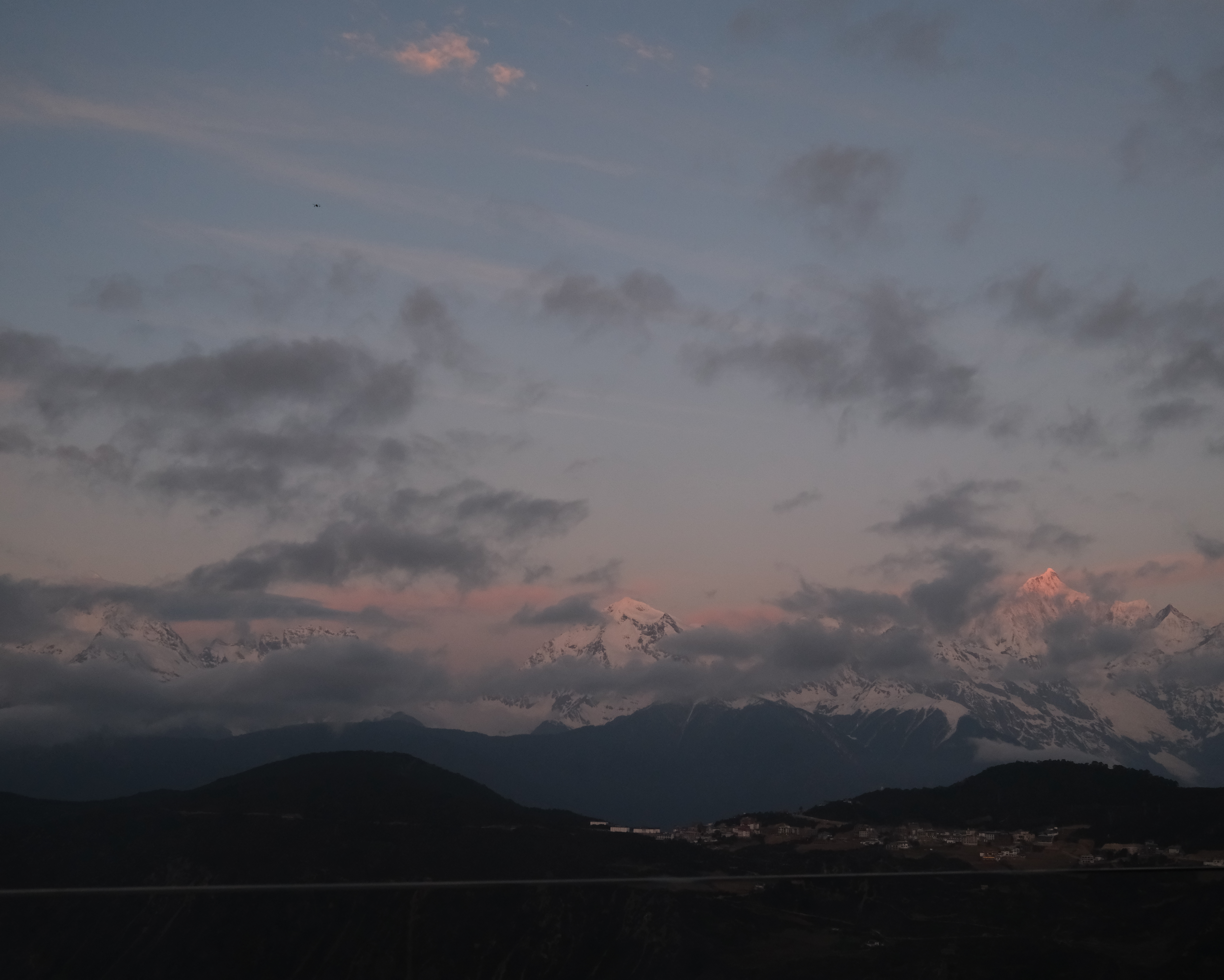
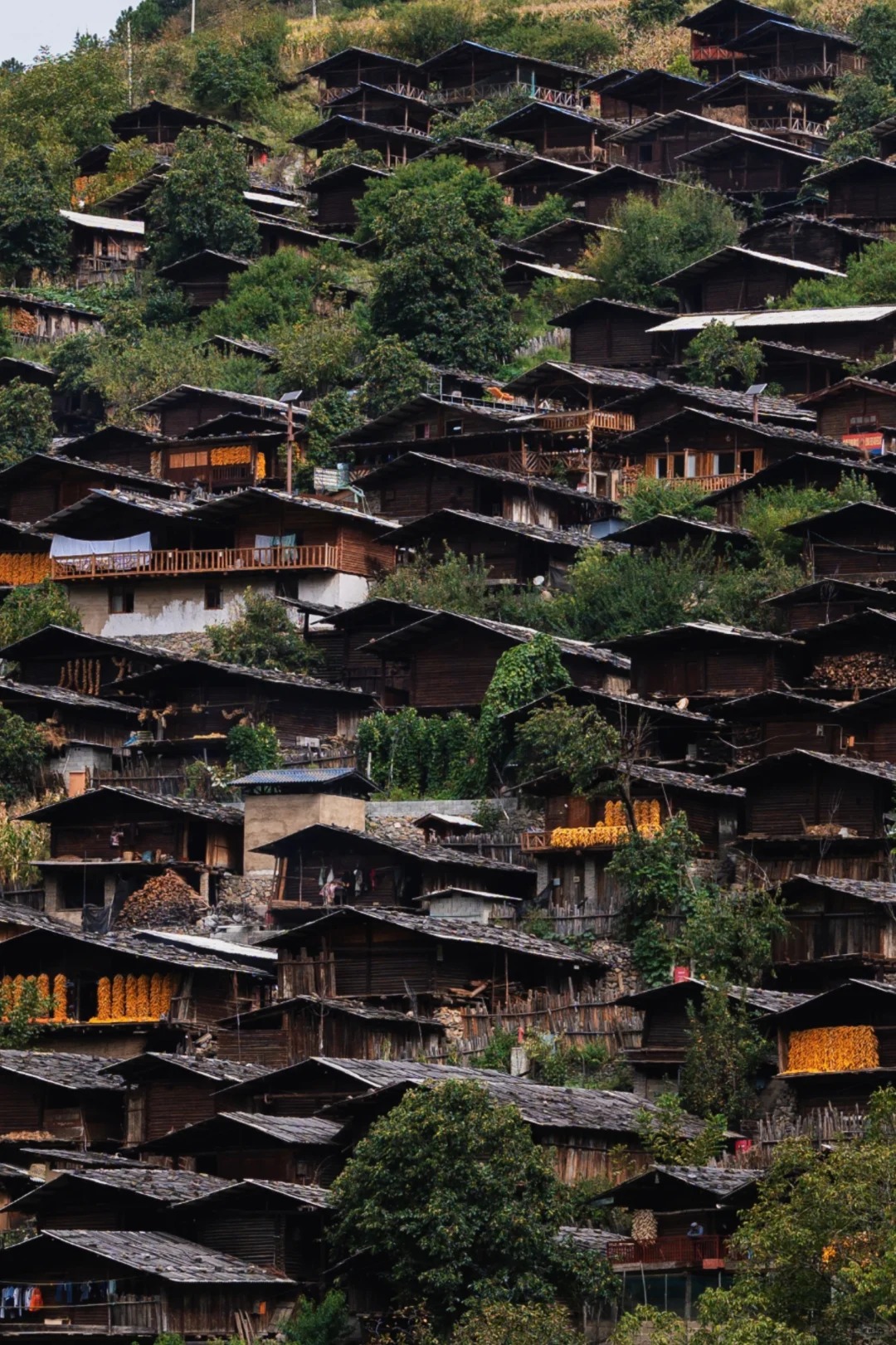
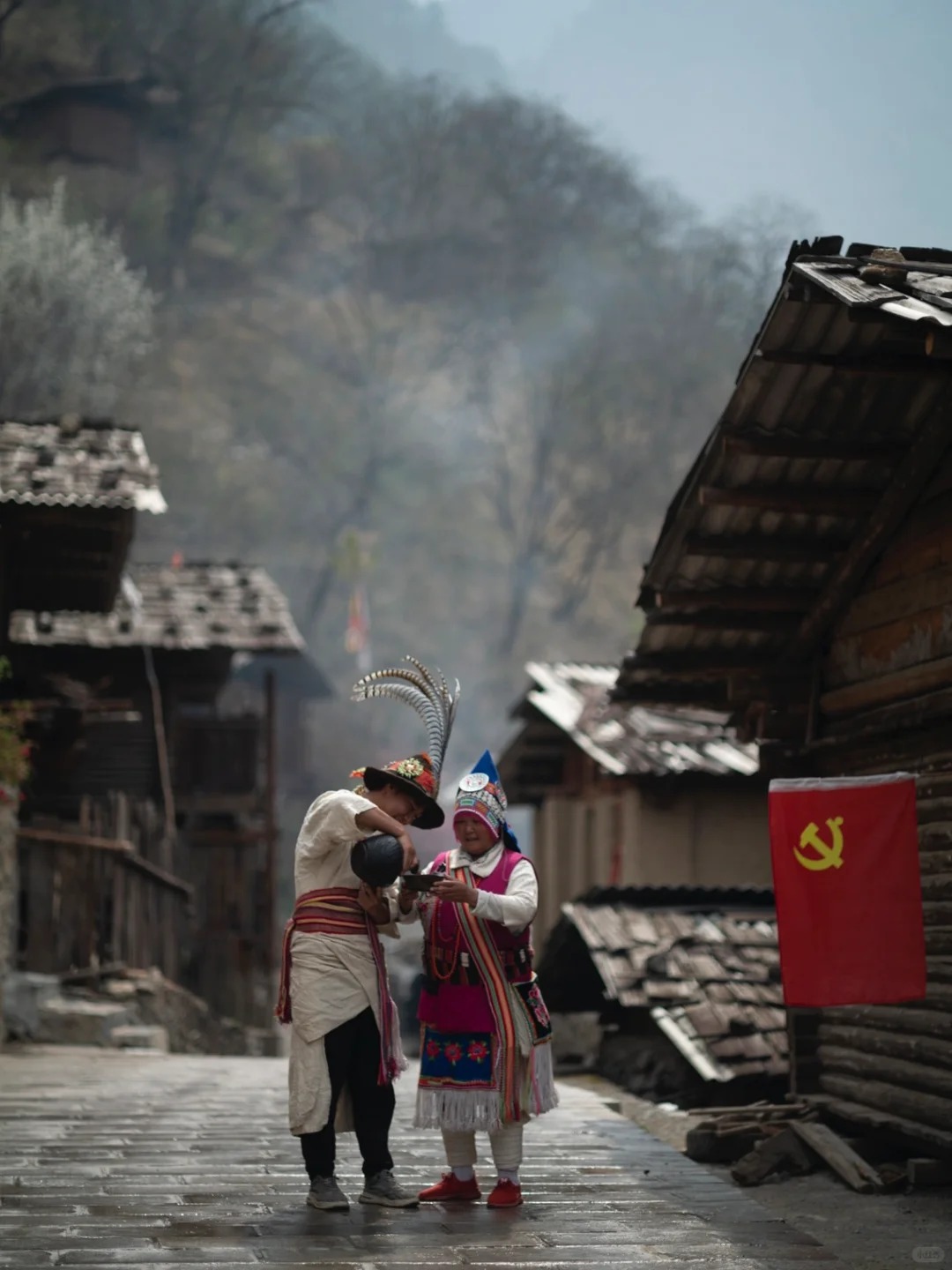
Drive two and a half hours south to Tongle (同乐), a Lisu hilltop village with two centuries of continuous habitation — muleng (木楞) log houses built without nails, terraced fields stepping down the slope. Another two hours through the Hengduan ridges brings you to Tacheng (塔城) in Weixi Lisu Autonomous County, a quiet Naxi-highland settlement on the old Tea Horse Road. The late afternoon is yours. This is one of the trip's deliberate decompression days — the road and the altitude both ease back, and the schedule is empty by design.
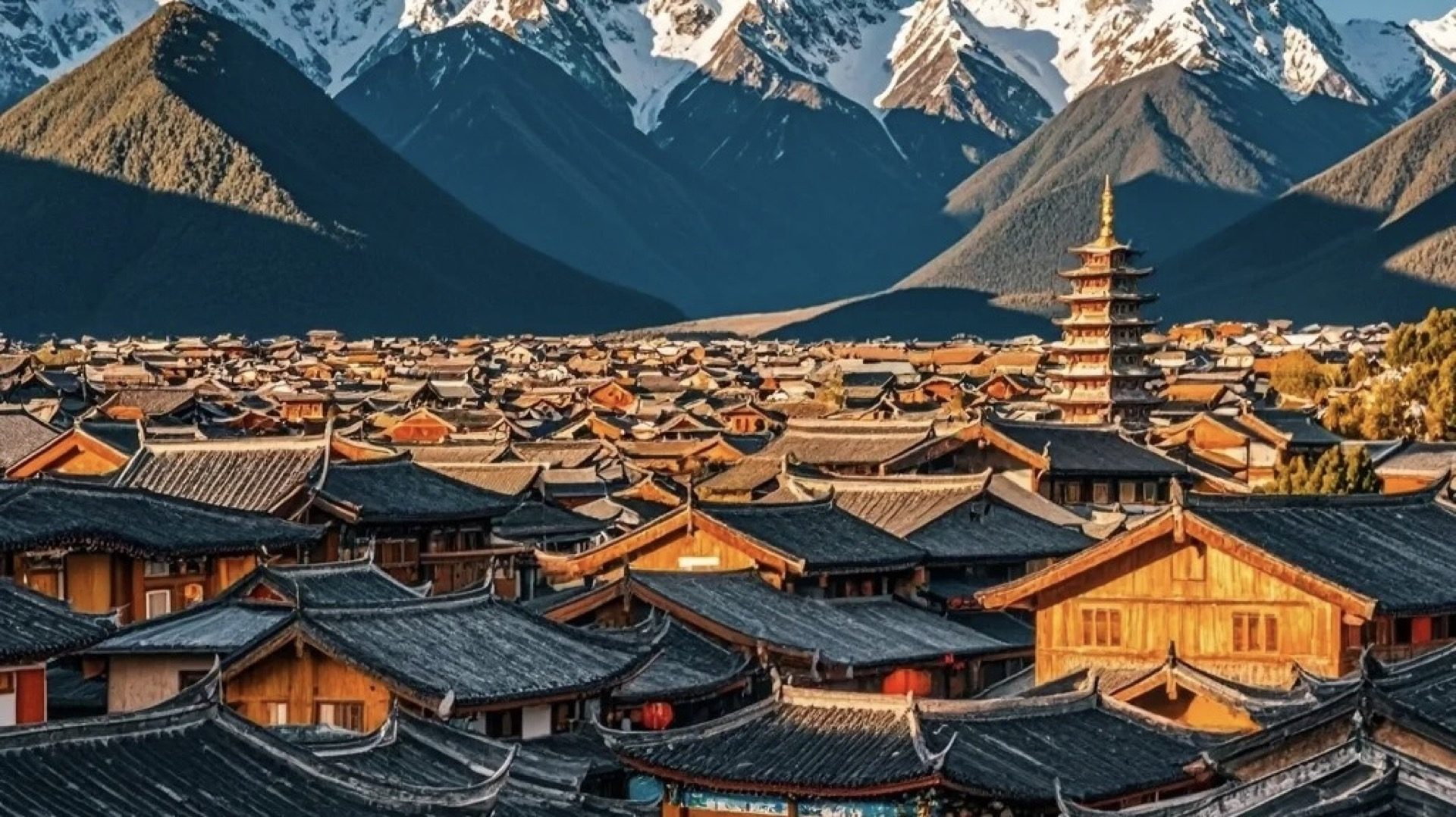
An unhurried morning at the lodge — a final mountain breakfast, a last walk in the valley — then three hours through the highlands to Lijiang. Most international travellers depart from Lijiang Sanyi (LJG) and route home via Kunming (a 70-minute flight) or via Chengdu, Shanghai or Hong Kong. If your flight leaves late, there's time for one final unhurried Dayan Old Town wander: coffee on a canal, last shopping before the airport.
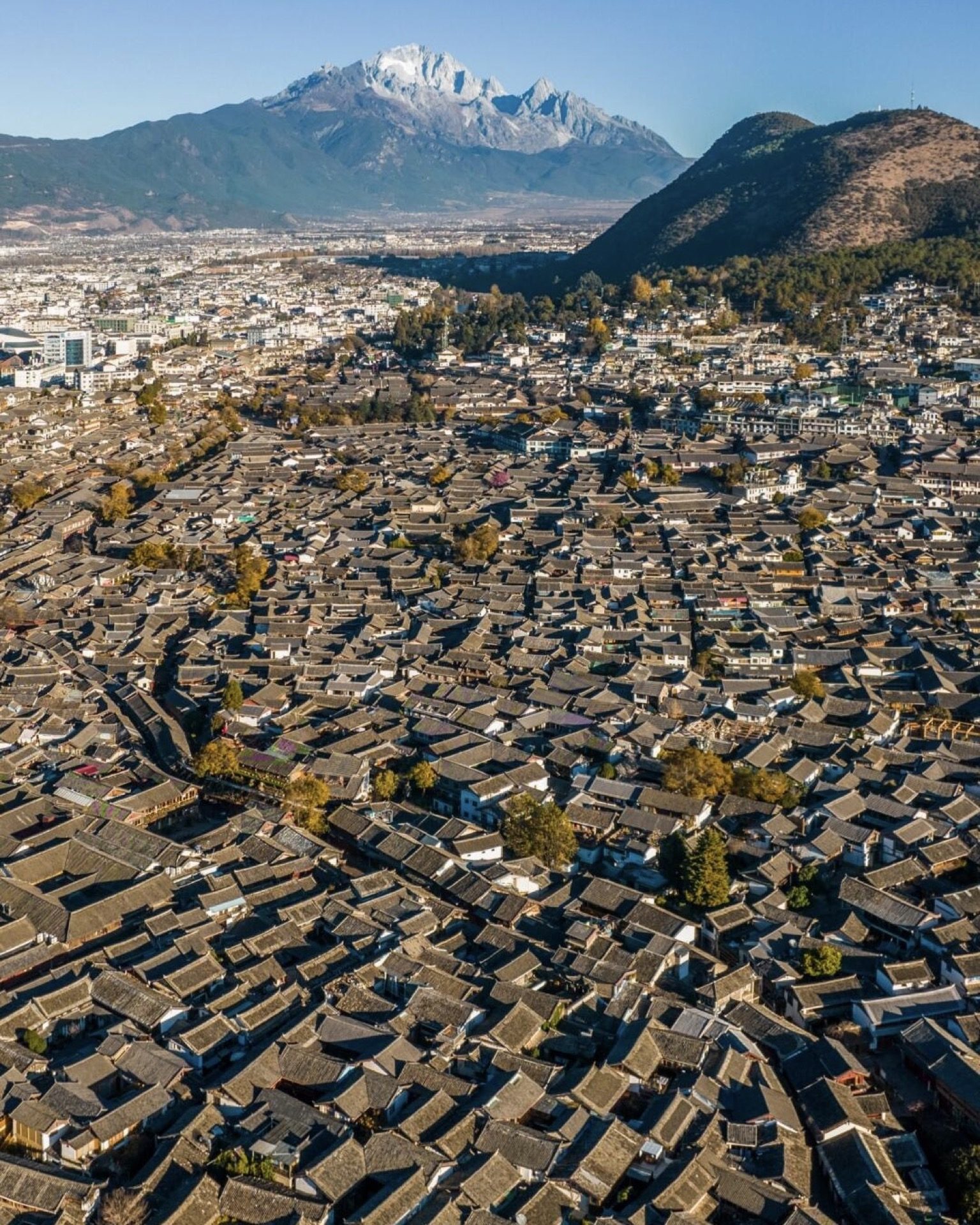
A Bai courtyard on Shaxi's old square, a Tibetan boutique in Dukezong, and a modernist lodge facing Kawagarbo — a selection of the boutique stays along the trekking route.
A Bai courtyard hotel on Shaxi’s Sideng Street — timber halls around a lily pond, with a stone-and-beam library for slow afternoons.
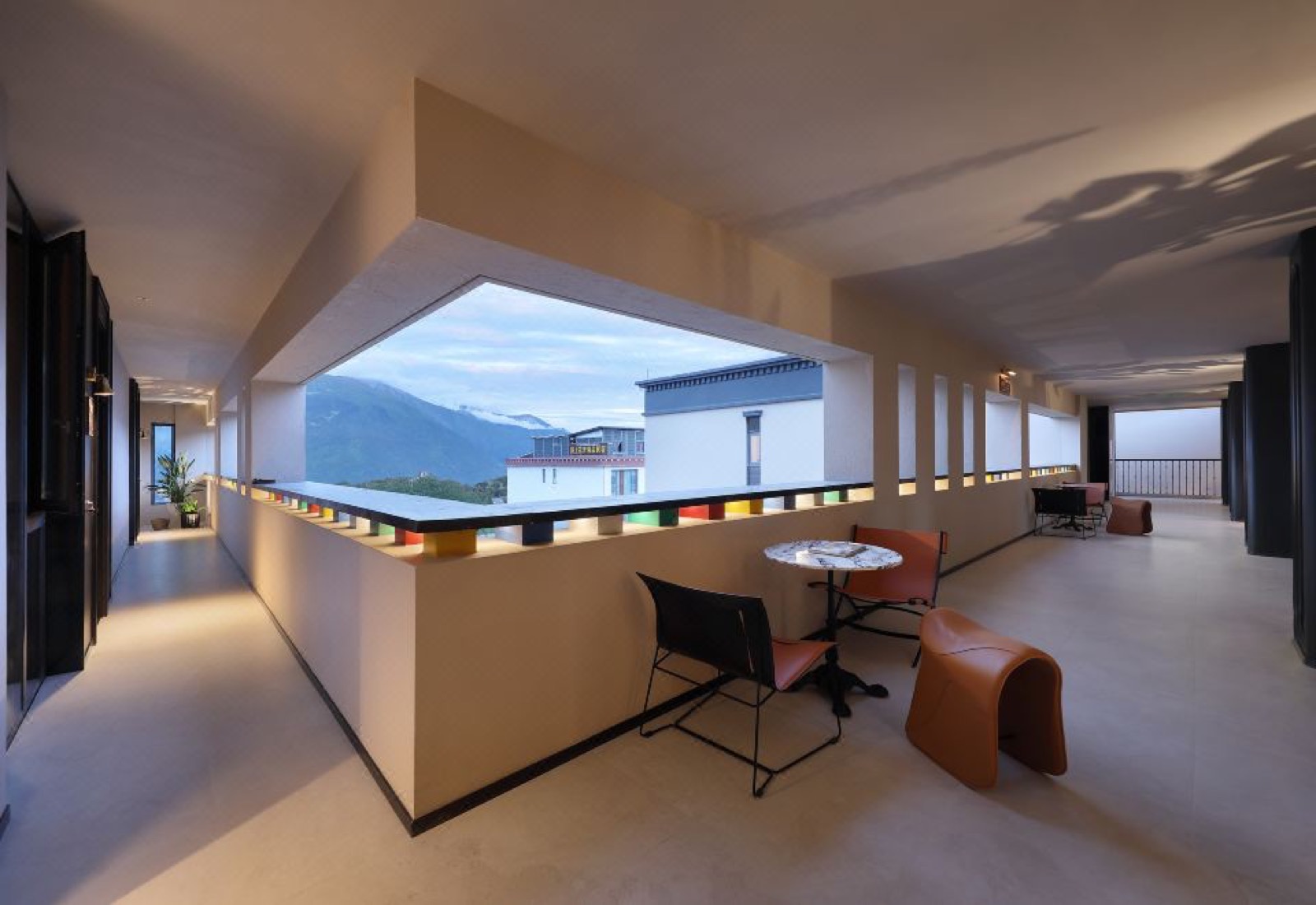
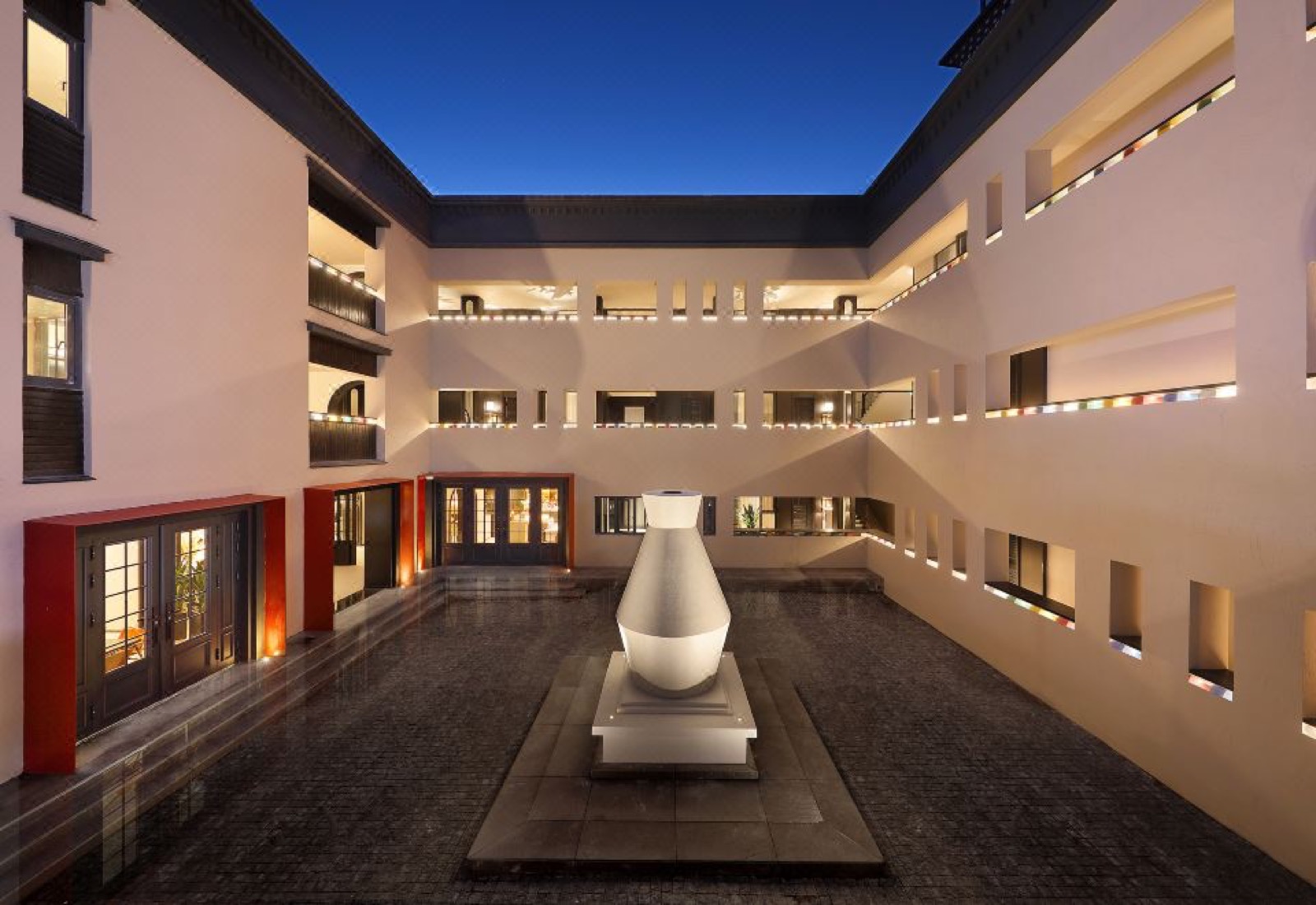
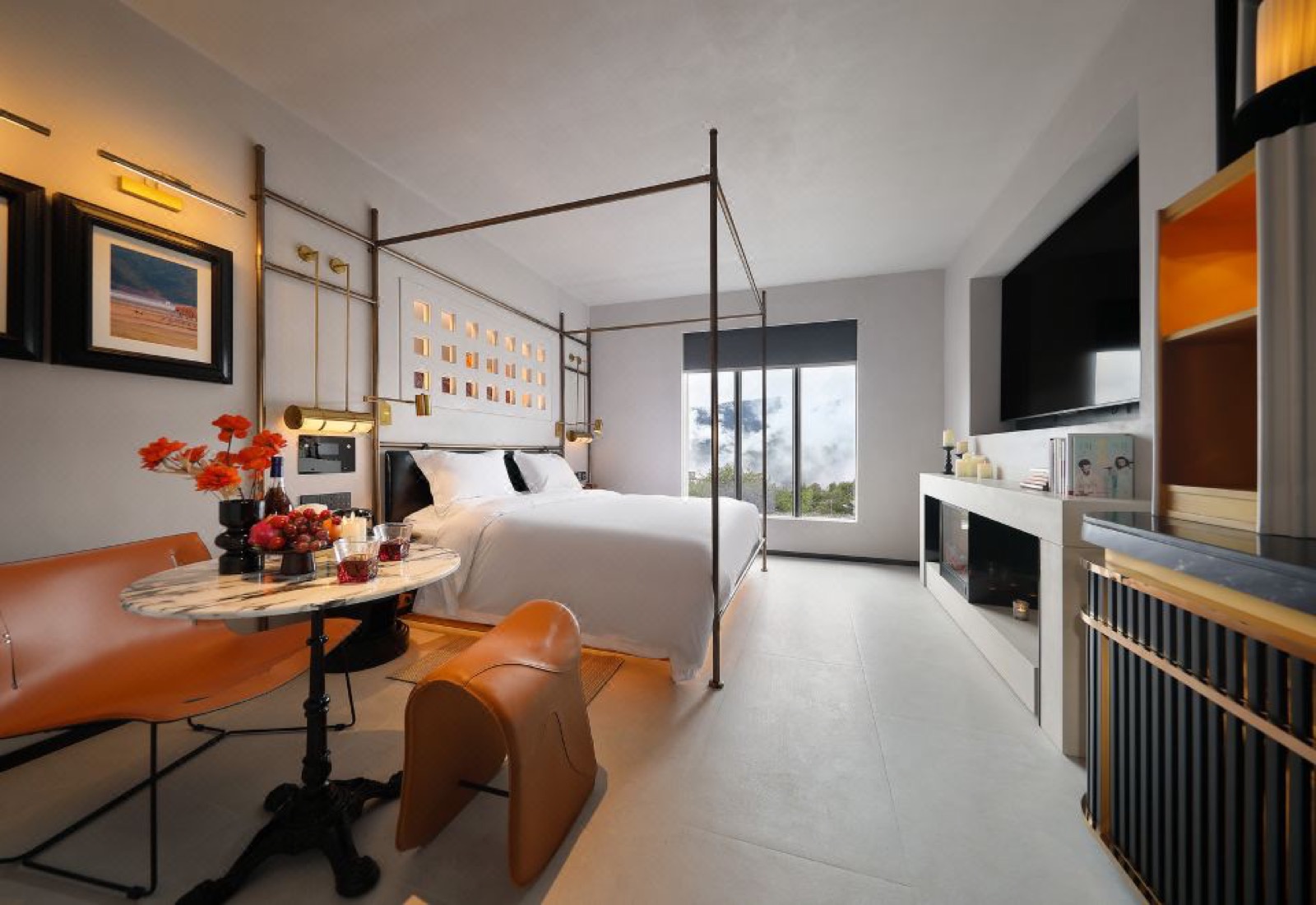
Picture windows straight onto the Meili range at Feilai Si — the Kawagarbo dawn alpenglow without leaving your room.
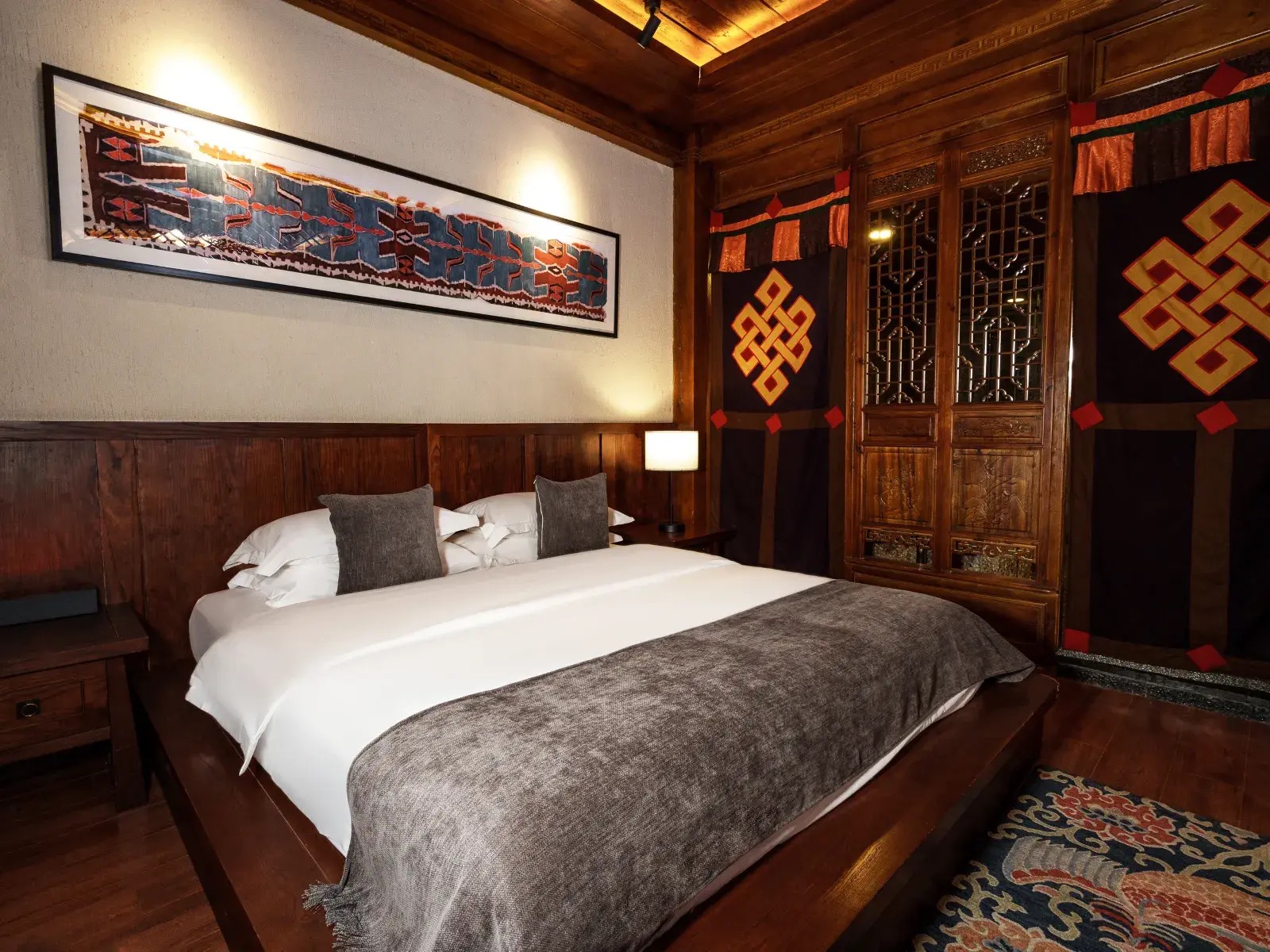
A Tibetan courtyard house in Dukezong old town — rammed-earth walls and a thangka-hung hall, steps from the great prayer wheel.
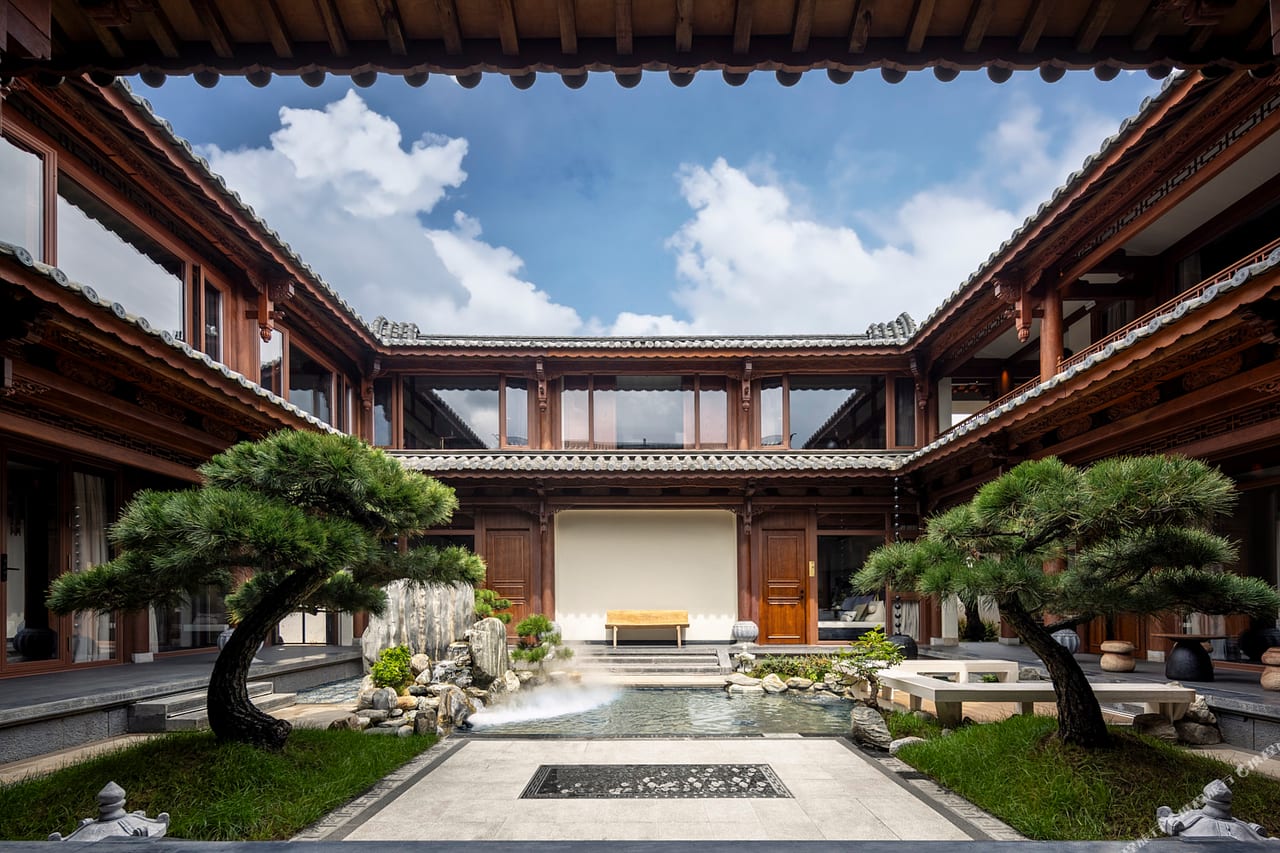
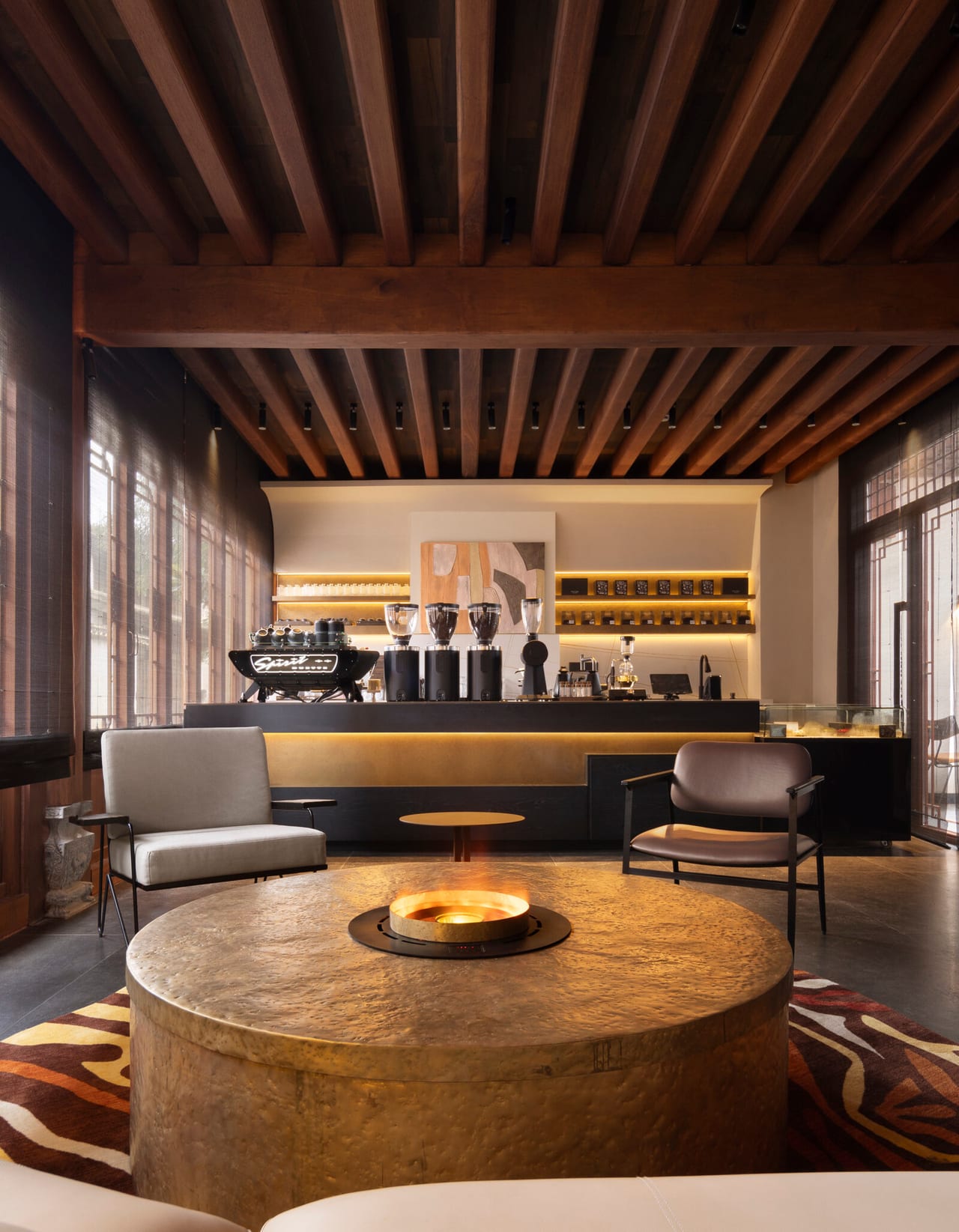
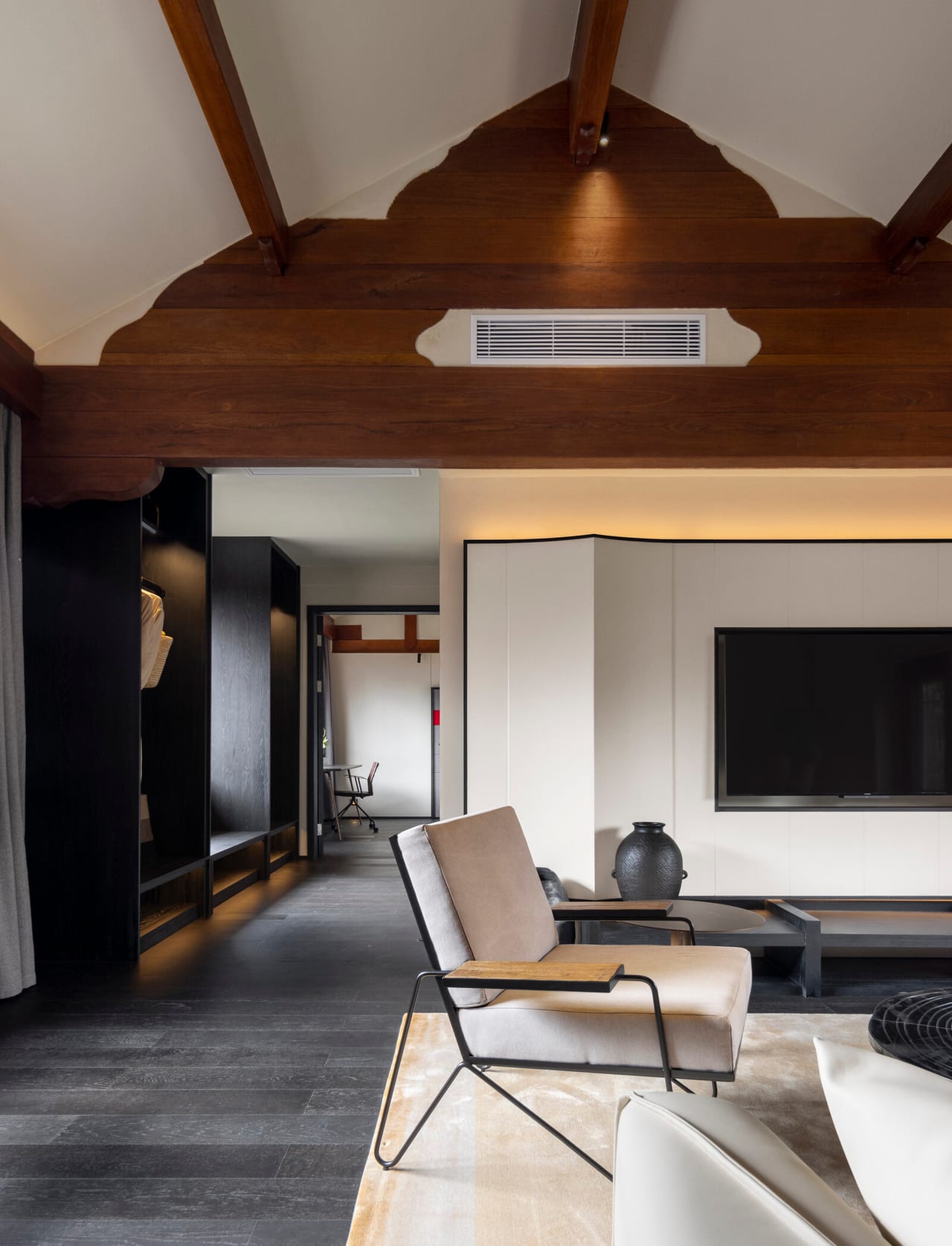
A heritage Bai courtyard on Sideng Square in Shaxi — small and calm, the old square outside the door at first light.
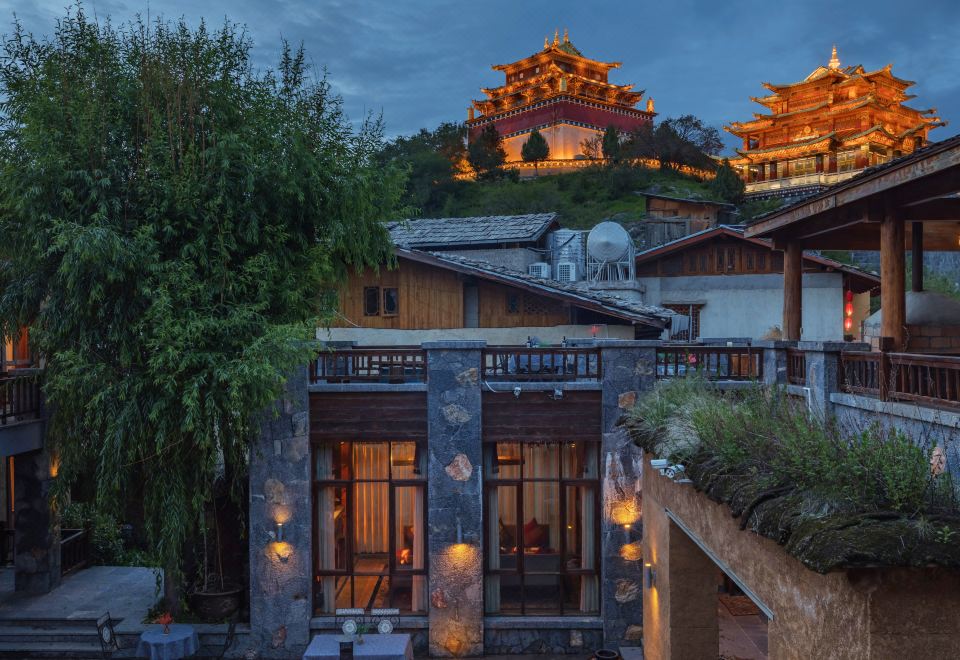
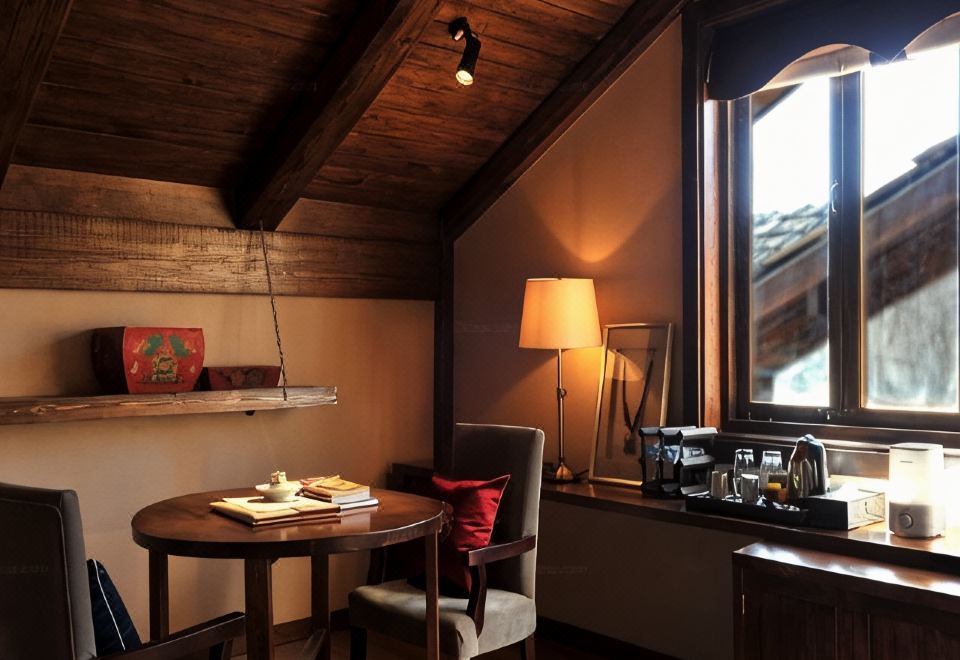
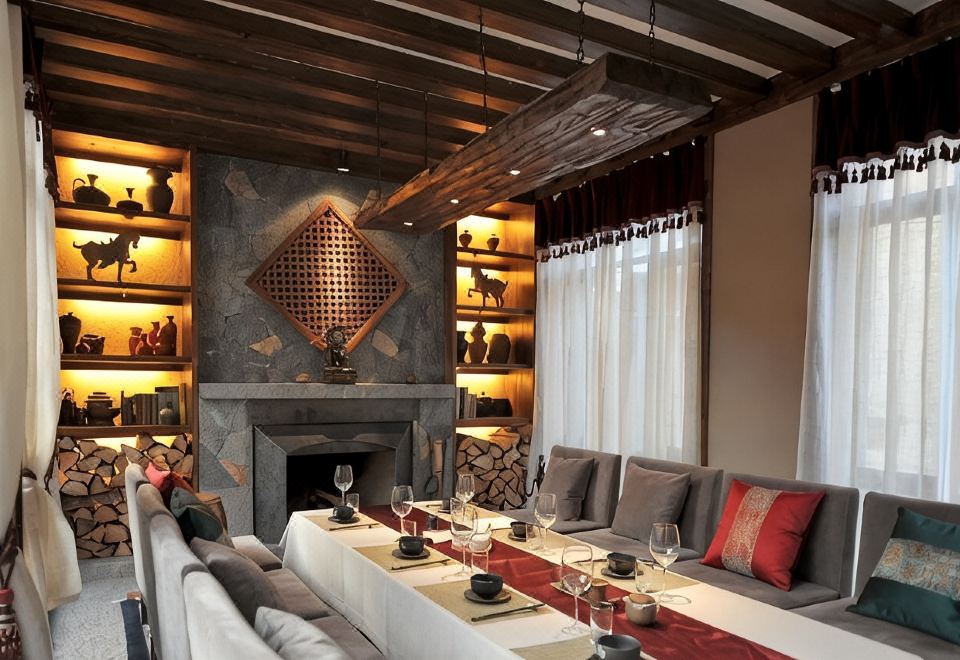
A Tibetan boutique inside Dukezong Old Town, built around a courtyard fire — the old-town night on the walking route.
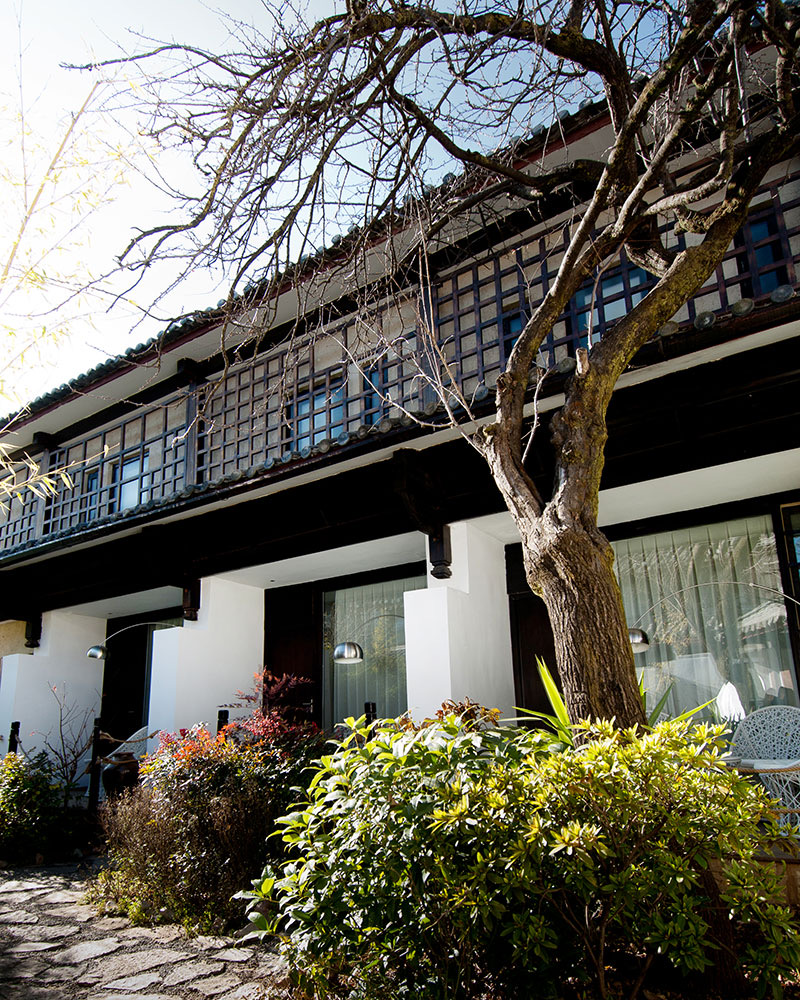
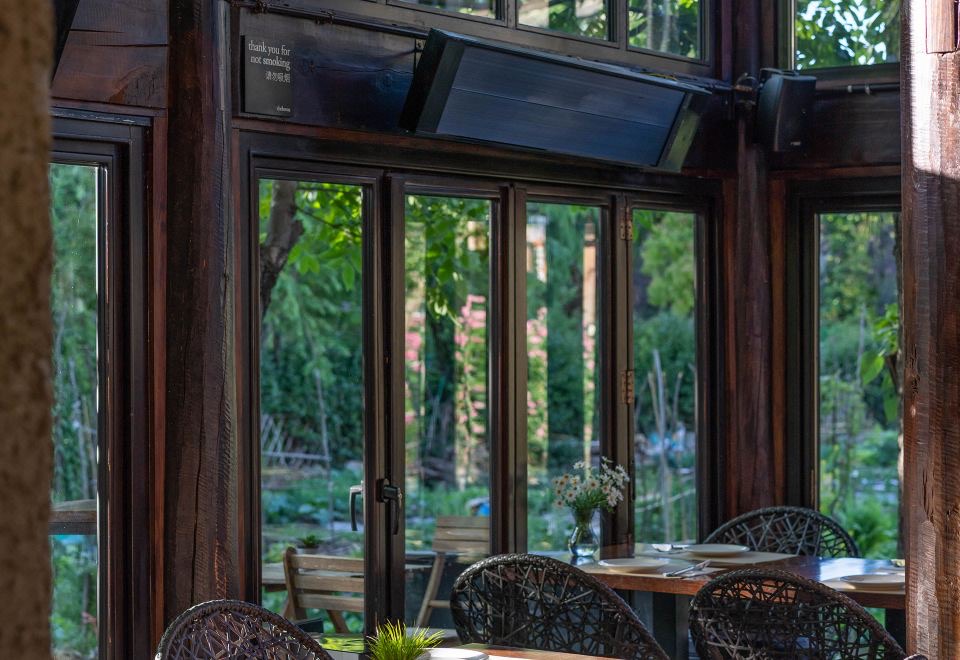
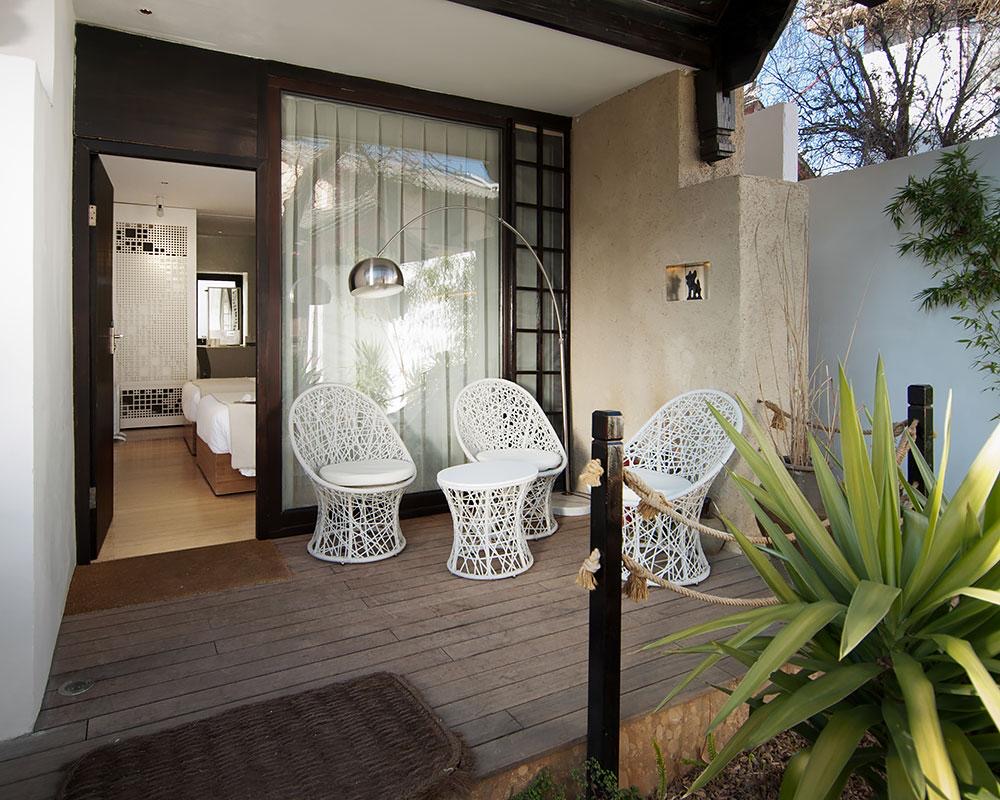
A pair of century-old Naxi farmyards off Shuhe’s square — restored timber and stone, garden courtyards and a hearth lounge.
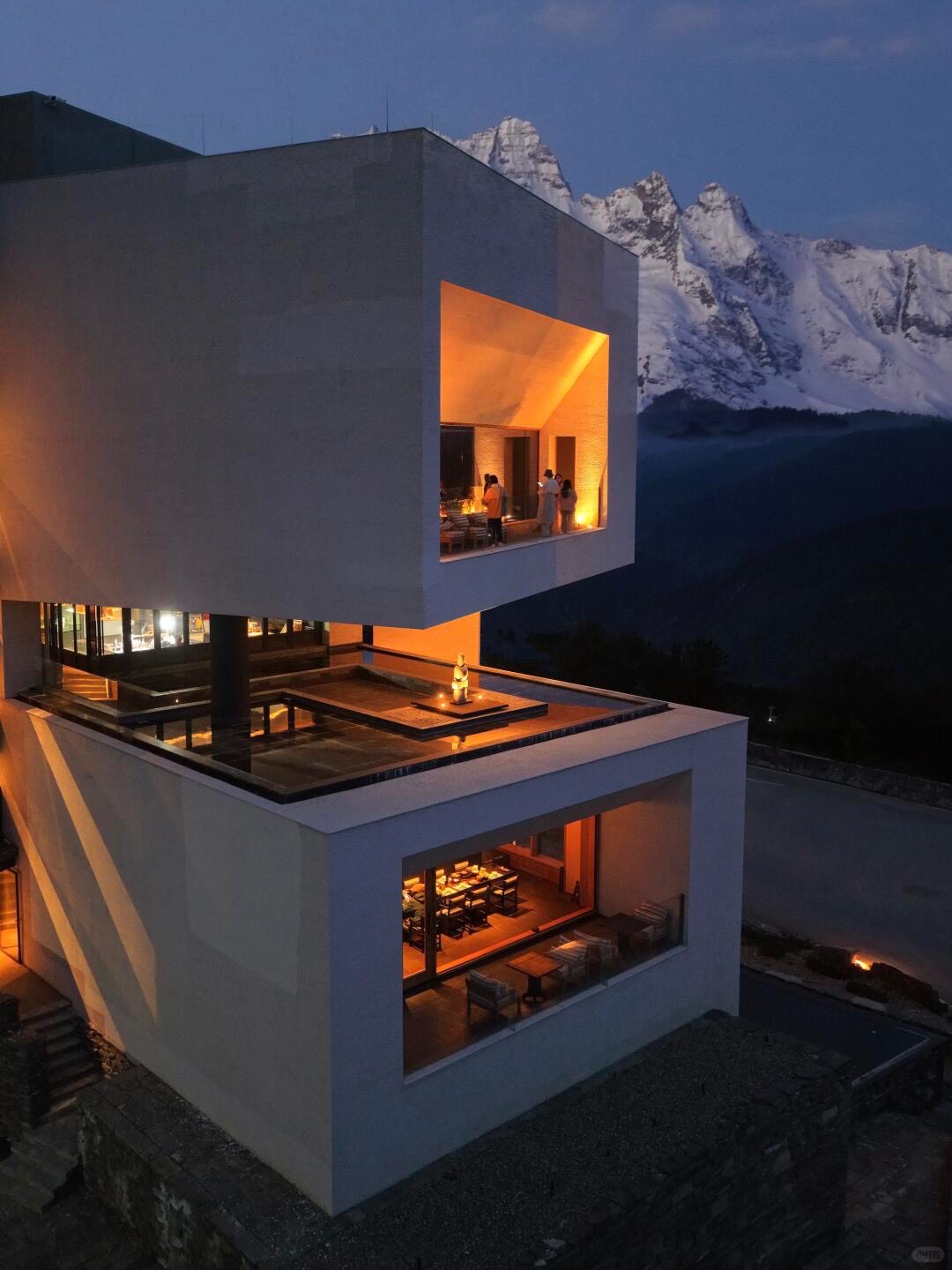
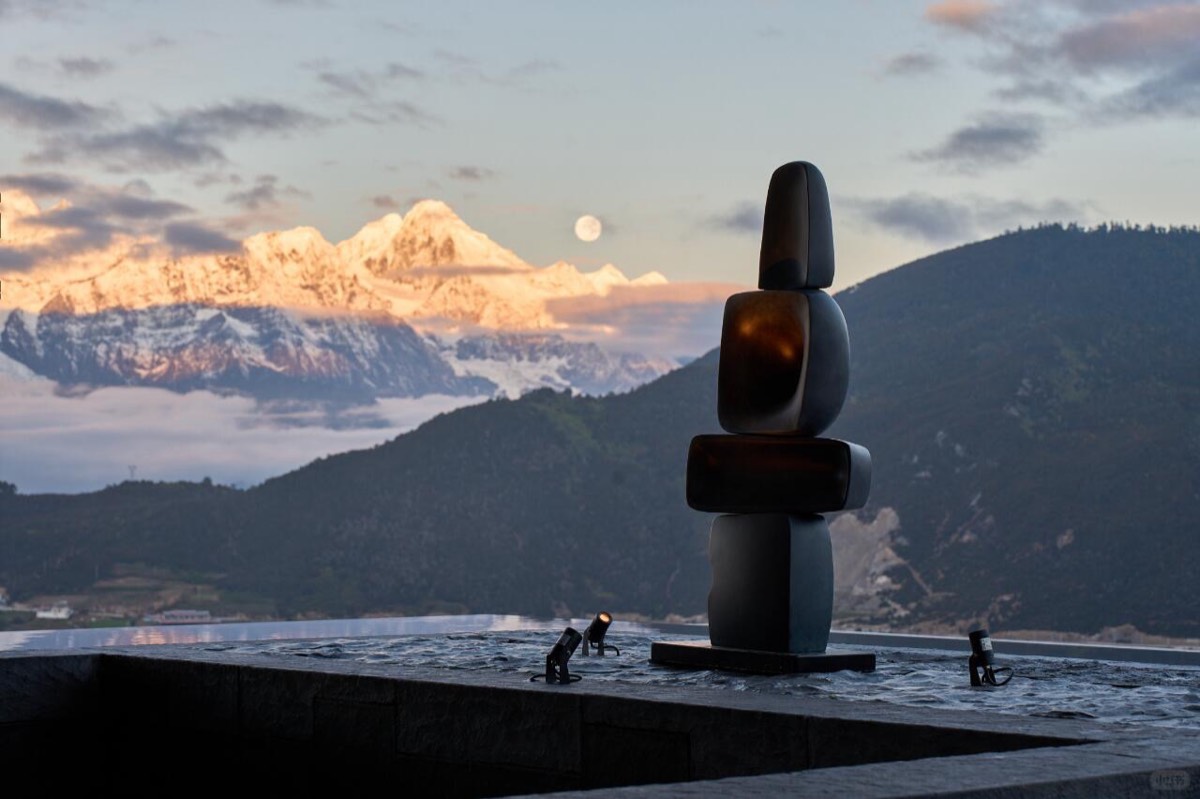
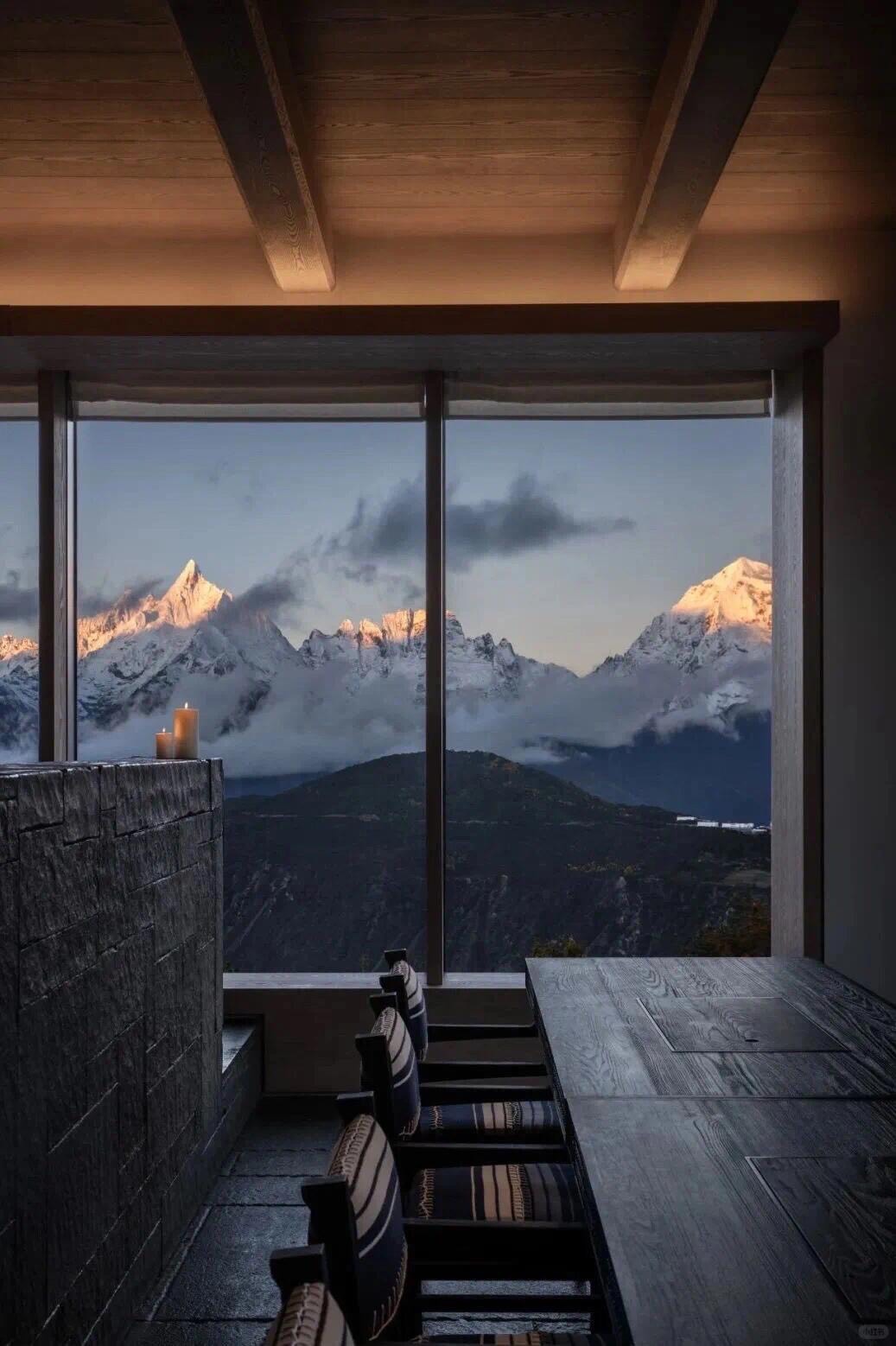
A modernist alpine lodge facing Kawagarbo — sunrise from the window is the entire point of the night.
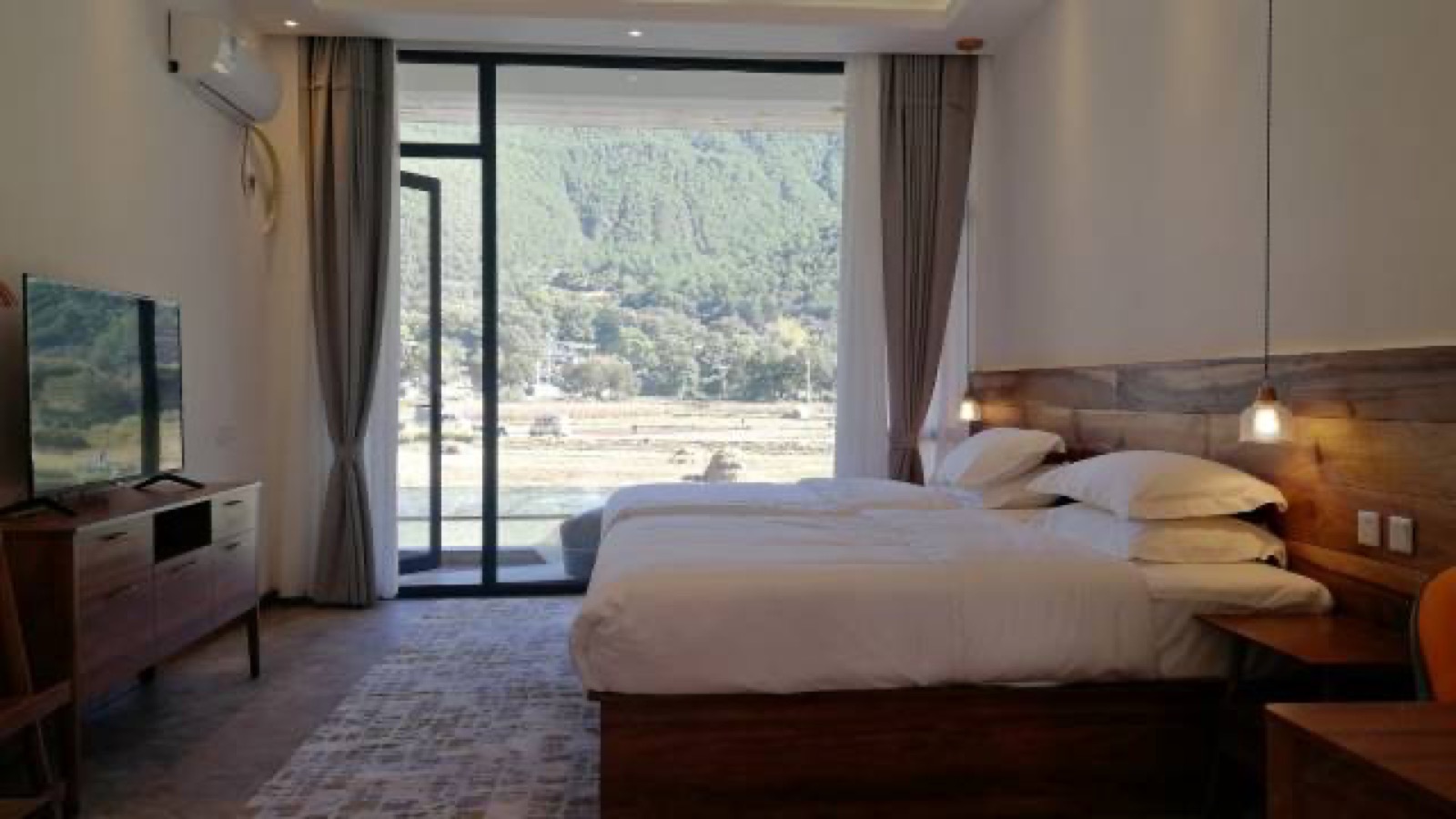
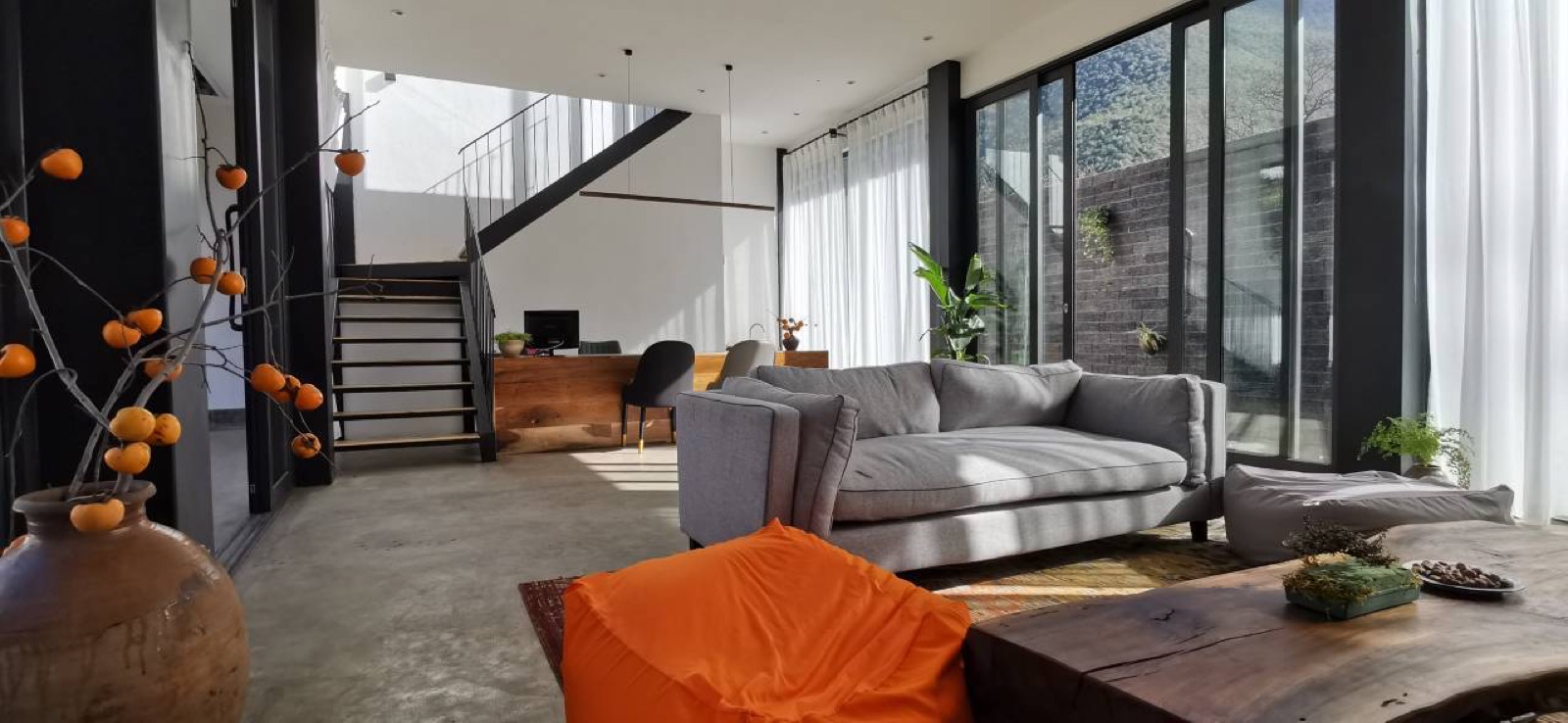
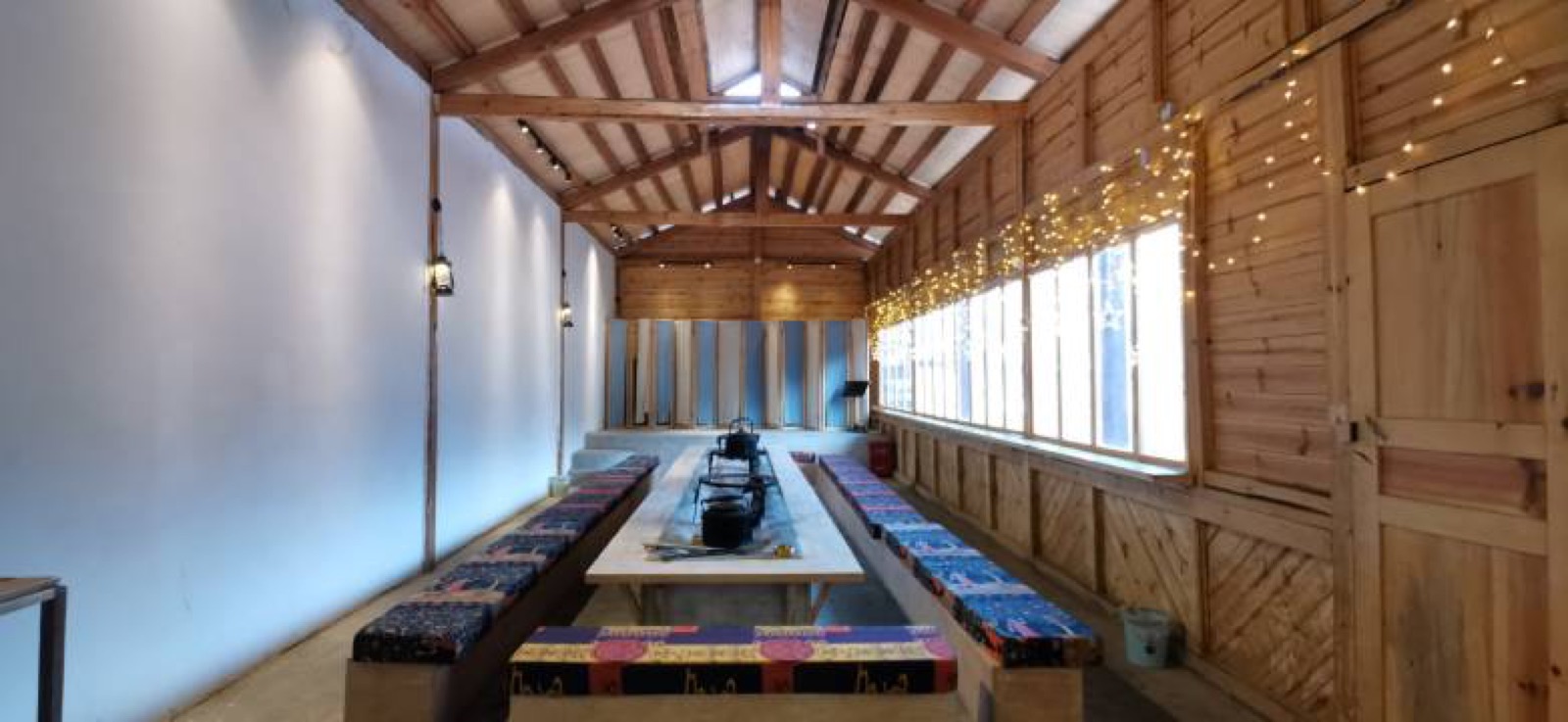
A timber-and-glass inn in a hidden Tacheng valley — rooms opening onto rice fields and forested mountains.
These are examples of the boutique stays we book across the route. Because boutique hotels have so few rooms, a stay may occasionally be swapped for one of similar standard.
Both work and we book either depending on your route in. Most international travellers fly into Lijiang Sanyi (LJG) via Kunming or direct from a Chinese gateway — your driver meets you at LJG and the drive south to Shaxi is 1.5–2 hours. If you'd rather arrive by high-speed rail from Kunming, we'll meet you at Heqing HSR (~3 hours from Kunming in business class) and drive ~1.5 hours west to Shaxi, with an optional stop at the Bai silversmithing community at Xinhua Village. The end of the trip is always Lijiang Sanyi (LJG).
The half-day high trail we do involves around 800m of elevation gain on cliff-edge traverses — it asks for reasonable fitness and a head for heights, but no technical climbing. We can shorten it to a 2–3 hour upper section, or substitute the lower-road viewpoint for travellers who'd rather skip the climb. We match the route to your group on the day.
The route is staged on purpose. Shaxi sits at 2,000m, Lijiang at 2,400m, Shangri-La at 3,200m, Feilai Si at 3,400m — each new elevation gives you a night to adjust before the next push. Short cable-car exposure to higher altitudes (Jade Dragon Glacier Park 4,506m, Baima Pass 4,292m) is well within most travellers' comfort. We carry oxygen and altitude meds, brief you on hydration and alcohol, and your guide watches for symptoms each day.
Honestly, a coin toss on any given morning. We time the Meili night for the clearest months (April–early June and late September–early November) and we always reserve at least two nights of buffer earlier in the loop in case your booked Feilai Si night is socked in. Most travellers across our autumn trips see the golden sunrise; spring is more weather-dependent. We brief you upfront rather than overpromise.
April–early June and mid-September–early November are the two cleanest windows — clearest skies for Jade Dragon and Kawagarbo, mild plateau temperatures, autumn colour at Pudacuo and Tiger Leaping Gorge in October. July–August is monsoon season — the gorge is at its most dramatic but trails are slippery and afternoon storms are daily; we add buffer time and brief you on the day's conditions. December–February is cool and quiet with sharp light and snow on the peaks, rewarding for travellers who don't mind layering up.
Every day, stay and date tailored to you — shaped over a call with someone who has walked the route, never a template.
Request a proposal for this trip
Giant Pandas at the Chengdu Research Base, then three days in the alpine lakes of Siguniang or Jiuzhai Valley. City culture first, mountain silence after.
See the itinerary →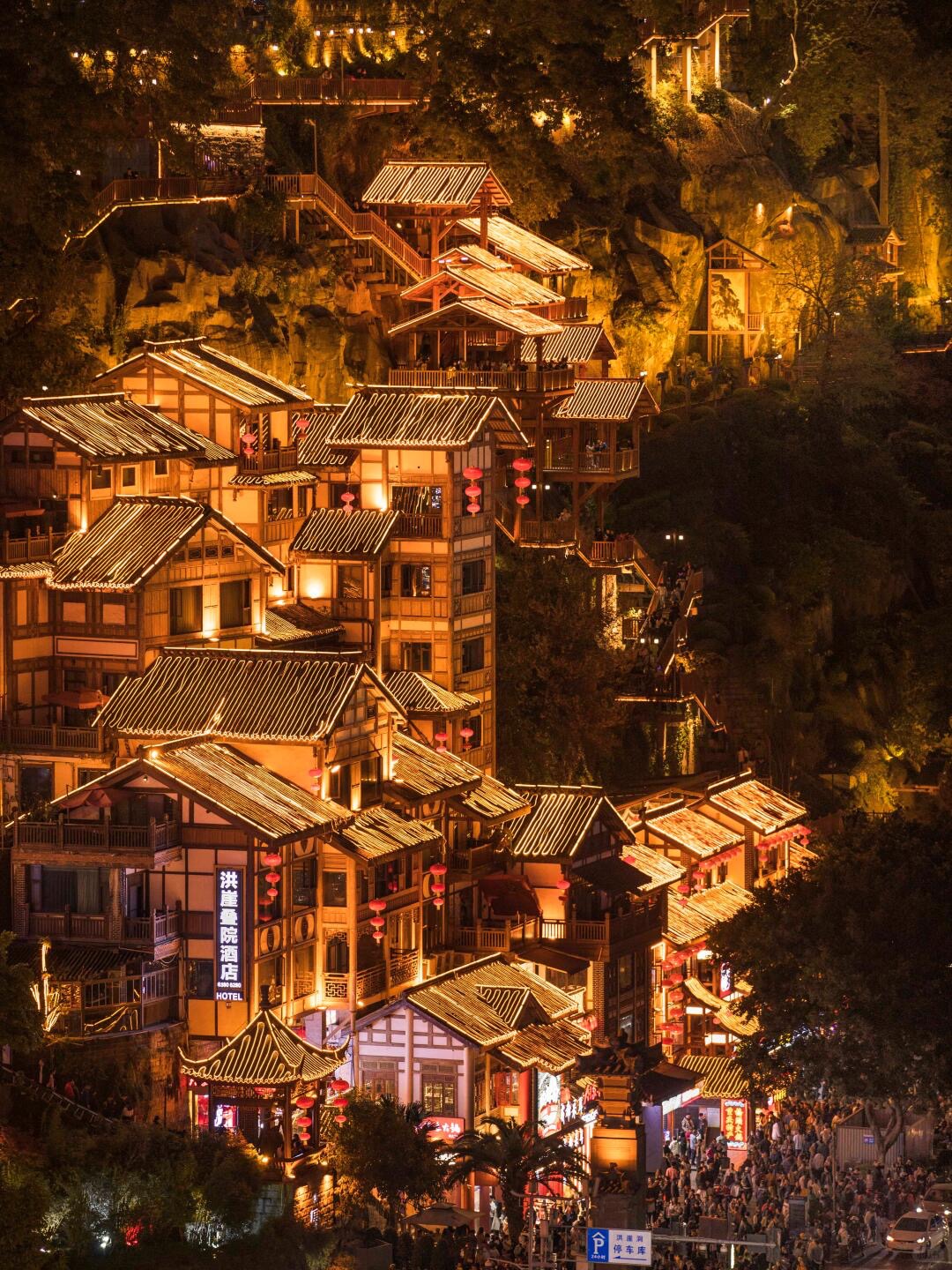
A 5–6 day private tour weighted toward Chongqing — neon river cities, UNESCO Wulong Karst, the Longji (Dragon's Backbone) ridge hike above the Yangtze, and two different tables of Sichuan heat. Bookended with a soft Chengdu landing.
See the itinerary →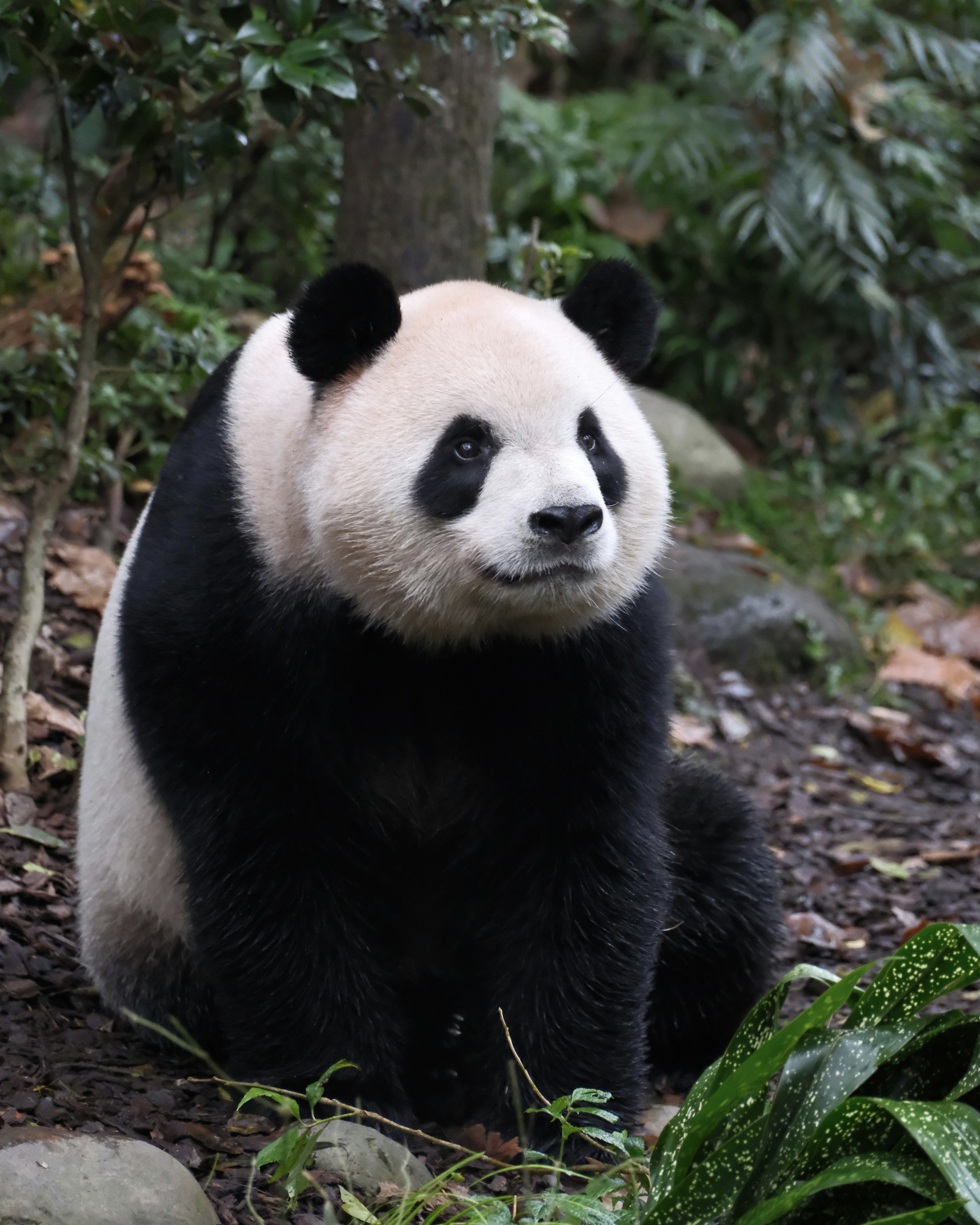
Fifteen days that pair China's great icons with its wildlife and wild landscape — the Forbidden City and the quiet Great Wall at Jinshanling, the Terracotta Army, a working day with the giant pandas outside Chengdu, three days among Zhangjiajie's sandstone pillars, and Shanghai to finish. Private throughout.
See the itinerary →