Ultimate Hikes · Yunnan

Yubeng Trek

3 days under Kawagarbo — Yunnan's foot-access-only Tibetan village

Duration 3 days 2 nights
Difficulty challenging
Party size Private · 2–8
Built into 7–25 day trips
Max altitude 3,900 m
Best season Oct – May

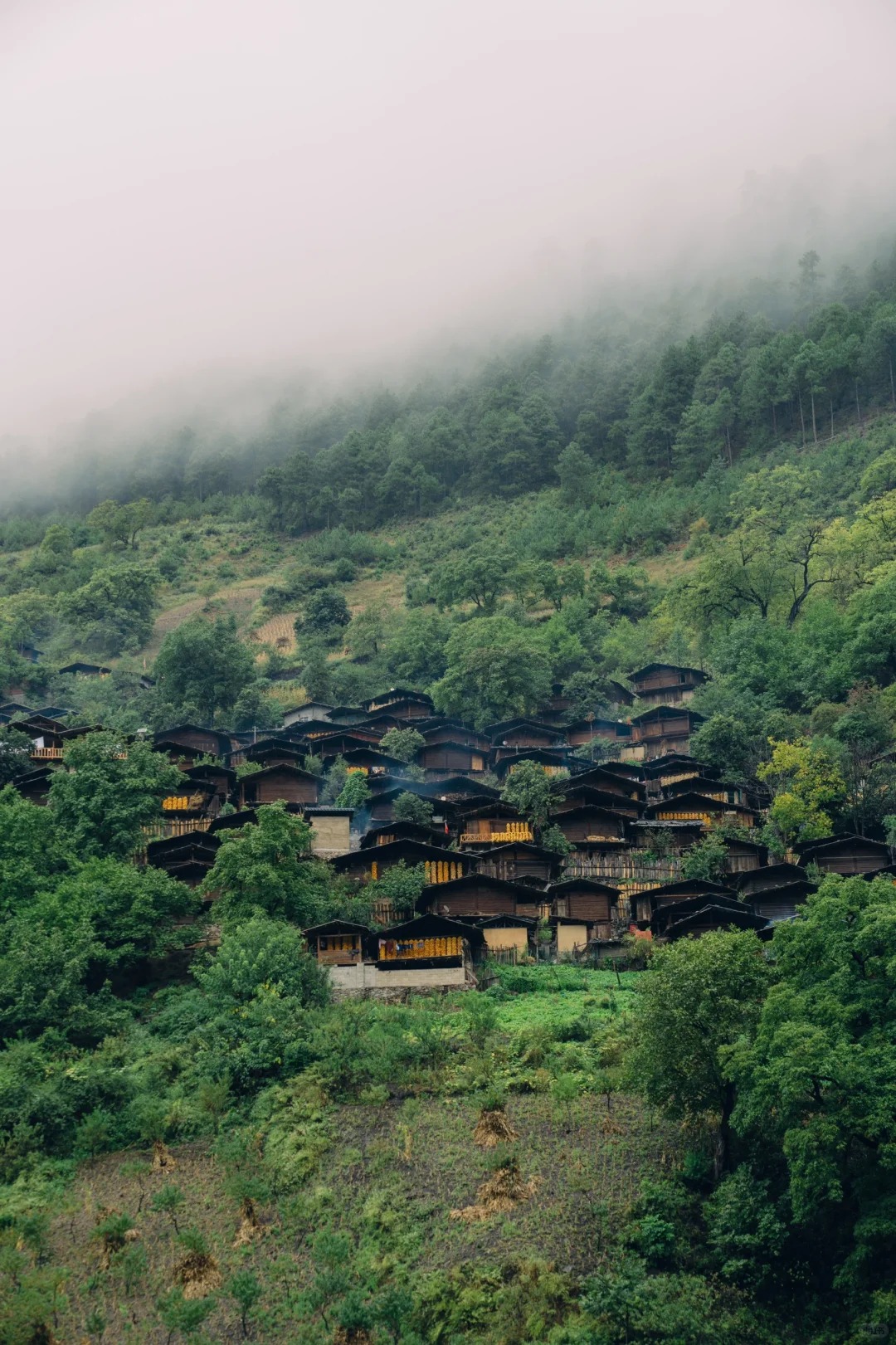
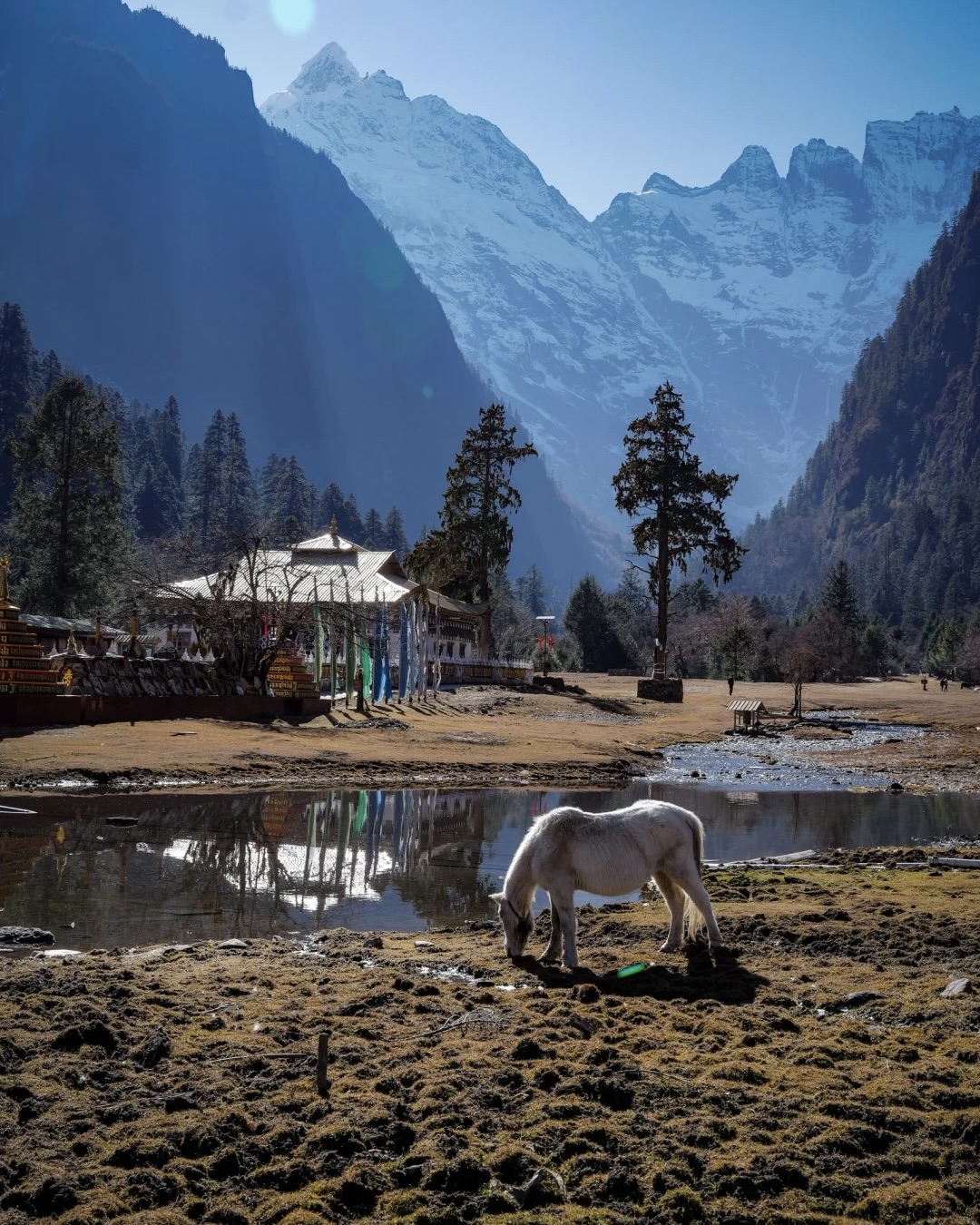
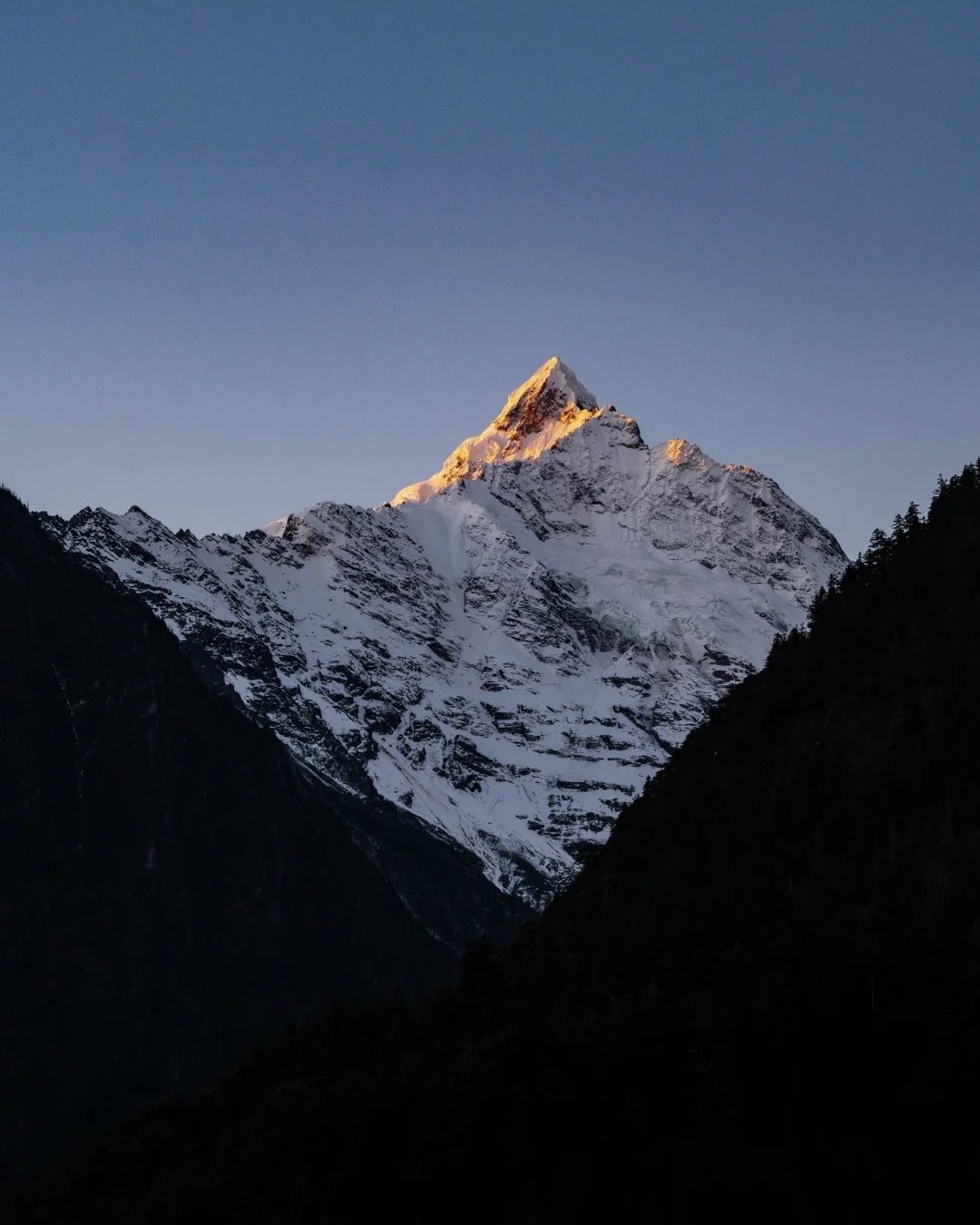
Yubeng (雨崩) is the Tibetan village at the heart of the Meili Snow Mountain south flank — the only village in this part of Yunnan reachable solely on foot (or by horseback), tucked into a conifer-forested bowl at 3,100 m under the sacred face of Kawagarbo. The 3-day trek goes in on Day 1, splits on Day 2 between the Sacred Waterfall (a Tibetan pilgrimage circuit) and the Ice Lake (a tougher push to 3,900 m), then exits on Day 3 down the Ninong Gorge. Quieter in winter, classic in shoulder season, and consistently rated one of the most rewarding short treks in southwest China.

Ask about this experience

Yubeng Trek is a 3-day private guided trek to the remote Tibetan village of Yubeng (雨崩, 'rain collapse') — sitting at 3,100 m on the sacred south flank of Meili Snow Mountain (Kawagarbo, 6,740 m). Day 1 is the trek-in from Xidang (16–18 km, ~800 m climb to Upper Yubeng); Day 2 splits between the Sacred Waterfall (Tibetan pilgrimage route) and the harder push to Ice Lake at 3,900 m; Day 3 exits via the Ninong Gorge trail. Permit + licensed local guide bundled. October–April for clear Kawagarbo views and stable ice-lake conditions. From AUD $1,500 pp twin-share.

At a glance

The experience

  • Day 1 — Xidang trailhead (~2,650 m) → wooded pass → Upper Yubeng village (~3,100 m); 16–18 km, ~6–7 hrs walking with shrine stops
  • Day 2 — choose Sacred Waterfall (cultural pilgrimage, 8 km out-and-back) OR Ice Lake (alpine push to 3,900 m, 12–14 km, ~7 hrs)
  • Day 3 — descend via Ninong Gorge → road head → private transfer back to Shangri-La or Feilai Si
  • Sacred Waterfall is the Tibetan kora moment; Ice Lake is the alpine-photography moment — most travellers choose one and we'll guide on weather/fitness
  • Mandatory: licensed local Tibetan guide, mule support on request, acclimatisation night at Shangri-La (3,200 m) or Feilai Si (3,400 m) before trek-in

Why Yubeng — the trek every Yunnan walker hears about

  • Yubeng is Yunnan's classic 3-day trek. The village itself is the destination — no road in, no road out, just two trail entries. That changes what travelling means.
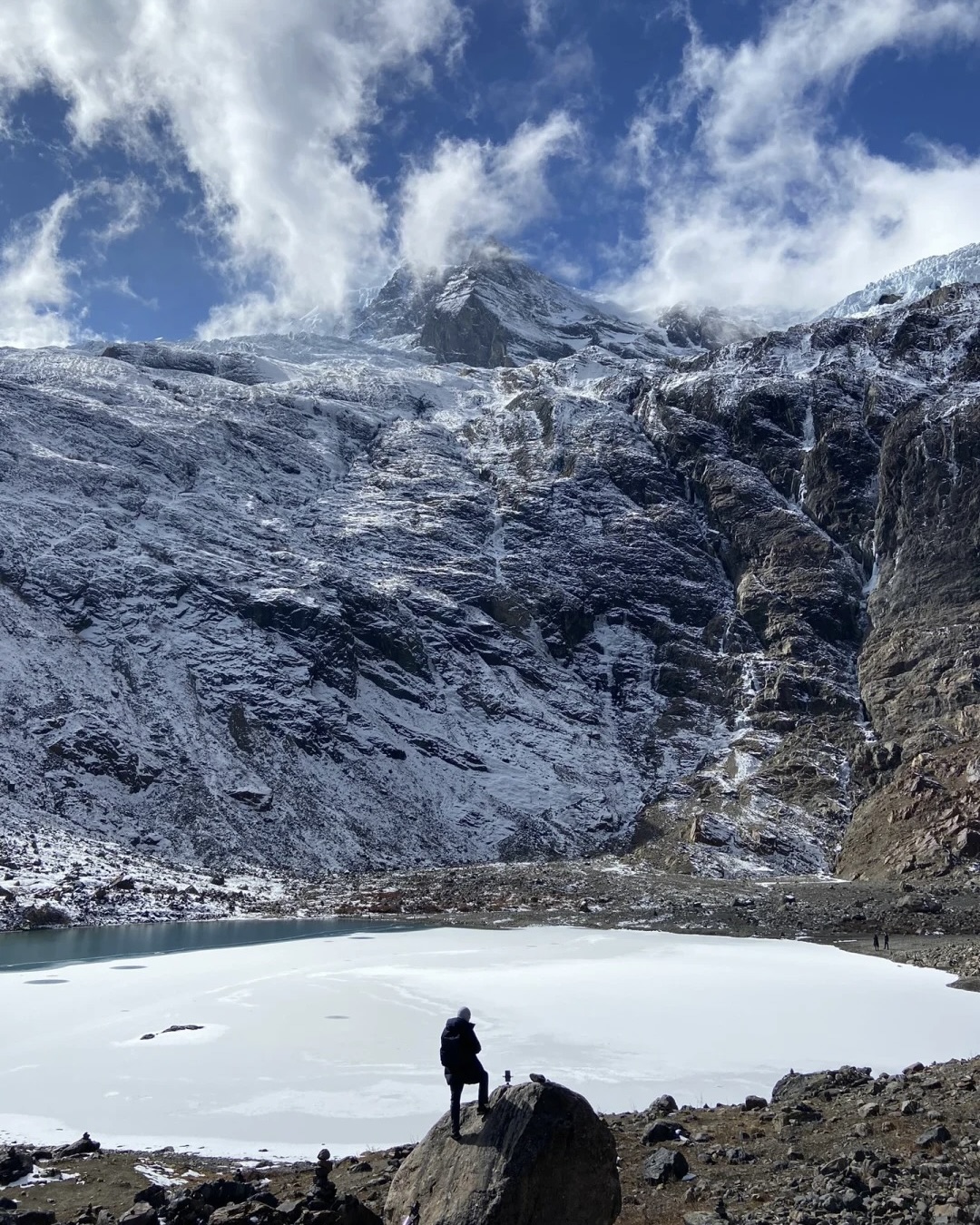
  • Two genuinely different Day 2 options means it's not a one-trick trek: the Sacred Waterfall is a Tibetan pilgrimage walk through conifer forest to a 200-m cascade that locals circumambulate. The Ice Lake is the alpine alternative — a steep climb to a glacier-fed tarn at 3,900 m below the Kawagarbo face.
  • Compared to the north slope (our Meili North Slope Trek): Yubeng is shorter, lower, and more village-cultural. North Slope is longer, higher, and more pure-trekking. We pair them often.

Day 0 — Acclimatisation at Shangri-La or Feilai Si (essential)

  • We strongly recommend at least one night at 3,000 m+ before the Yubeng trek-in. Standard sequencing: Lijiang (2,400 m, 1–2 nights) → Shangri-La (3,200 m, 1 night) OR Feilai Si (3,400 m, 1 night) → Xidang trailhead.
  • Direct sea-level-to-Yubeng travellers commonly experience AMS symptoms on Day 1 evening at 3,100 m. The 24 hours at Shangri-La altitude is the single highest-leverage thing you can do for the trip.
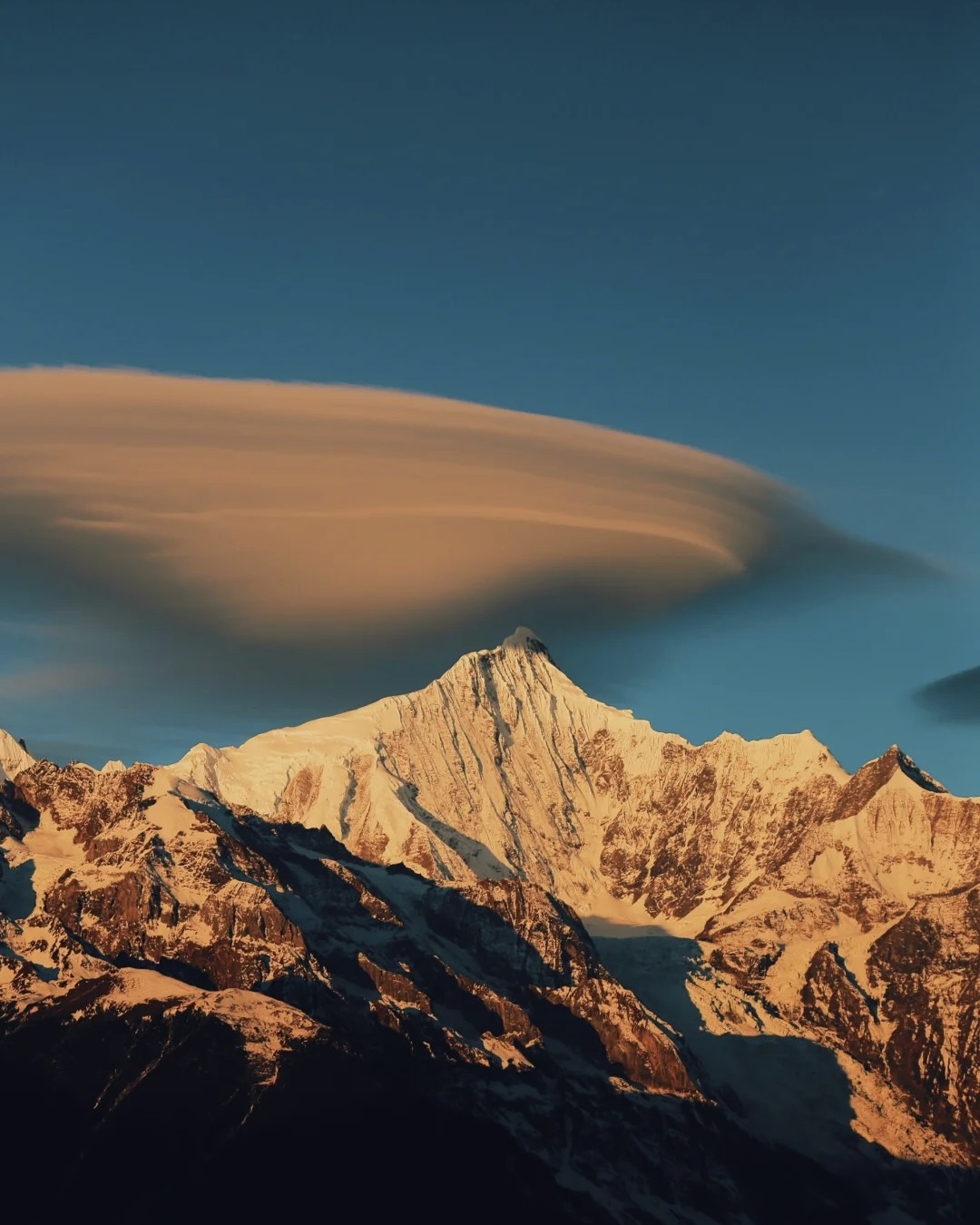
  • Feilai Si specifically gives you the Kawagarbo dawn alpenglow viewing platform — a bonus on top of the acclimatisation.

Day 1 — Xidang trailhead → Upper Yubeng

  • Morning transfer from Shangri-La / Feilai Si to the Xidang trailhead (~2,650 m) — ~2–3 hrs by private vehicle.
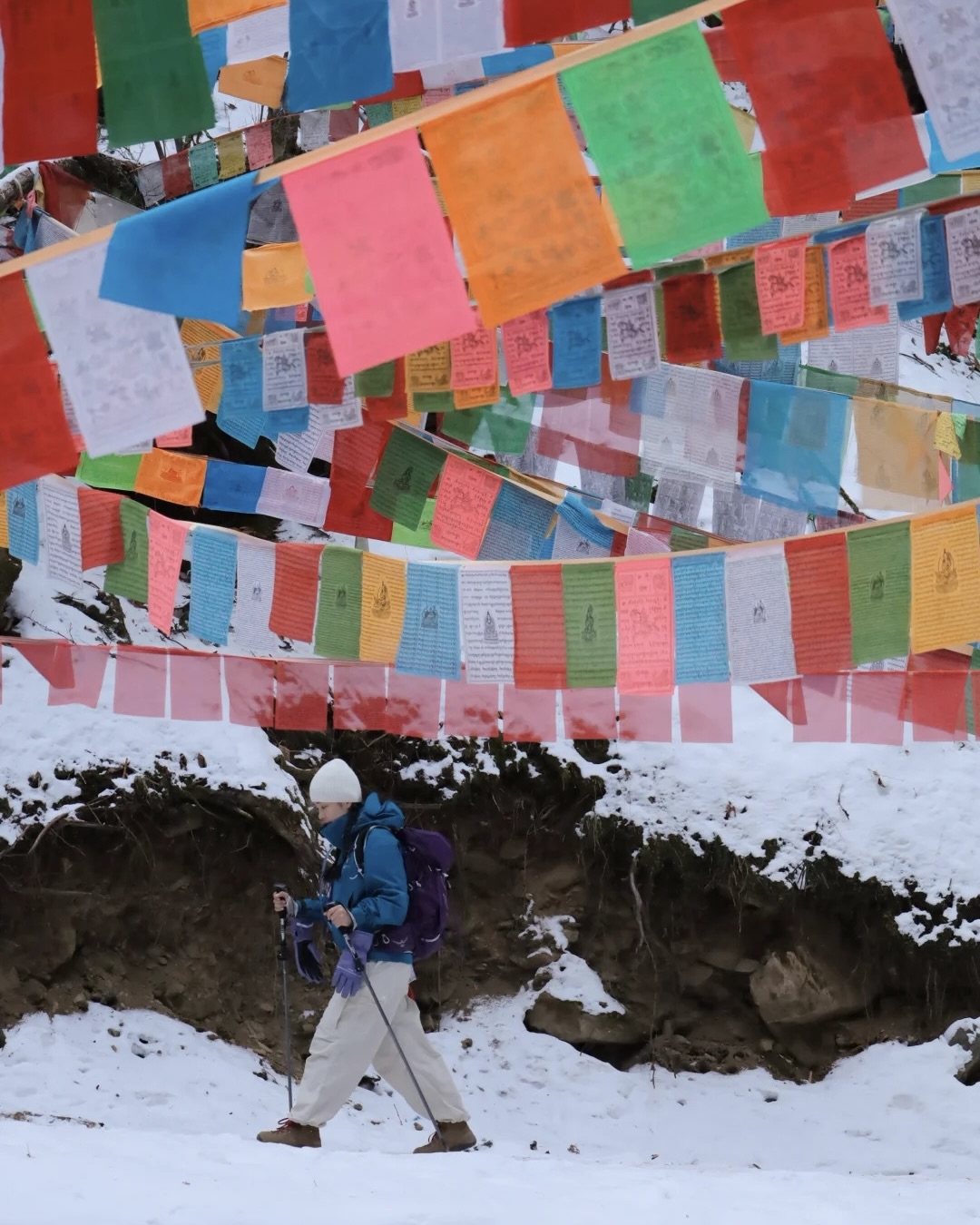
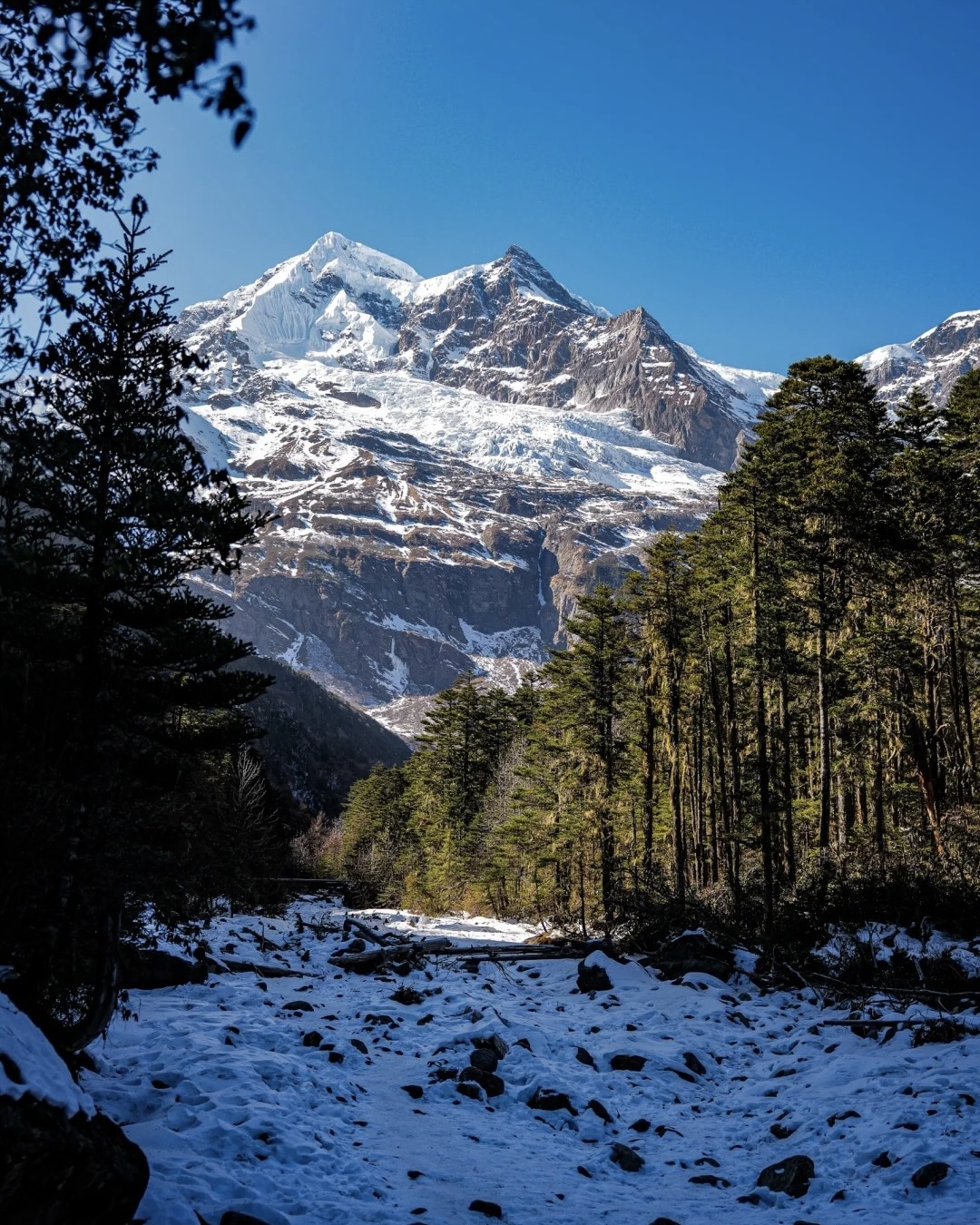
  • Trek-in via the wooded Nanzheng La pass: a ~800 m climb through fir and rhododendron forest, with several Tibetan shrine stops along the way. Mule support available on request for heavy gear.
  • 16–18 km total, ~6–7 hrs walking with a mid-day lunch stop. Arrive Upper Yubeng (~3,100 m) by mid-afternoon.
  • Mountain guesthouse check-in (basic but warm — wood-stove heated, shared bathrooms). Hot Tibetan dinner, early sleep.
  • Gear: layered warmth, good trail shoes, trekking poles, day-pack. Sleeping kit provided by the guesthouse.

Day 2 — Sacred Waterfall pilgrimage OR Ice Lake summit

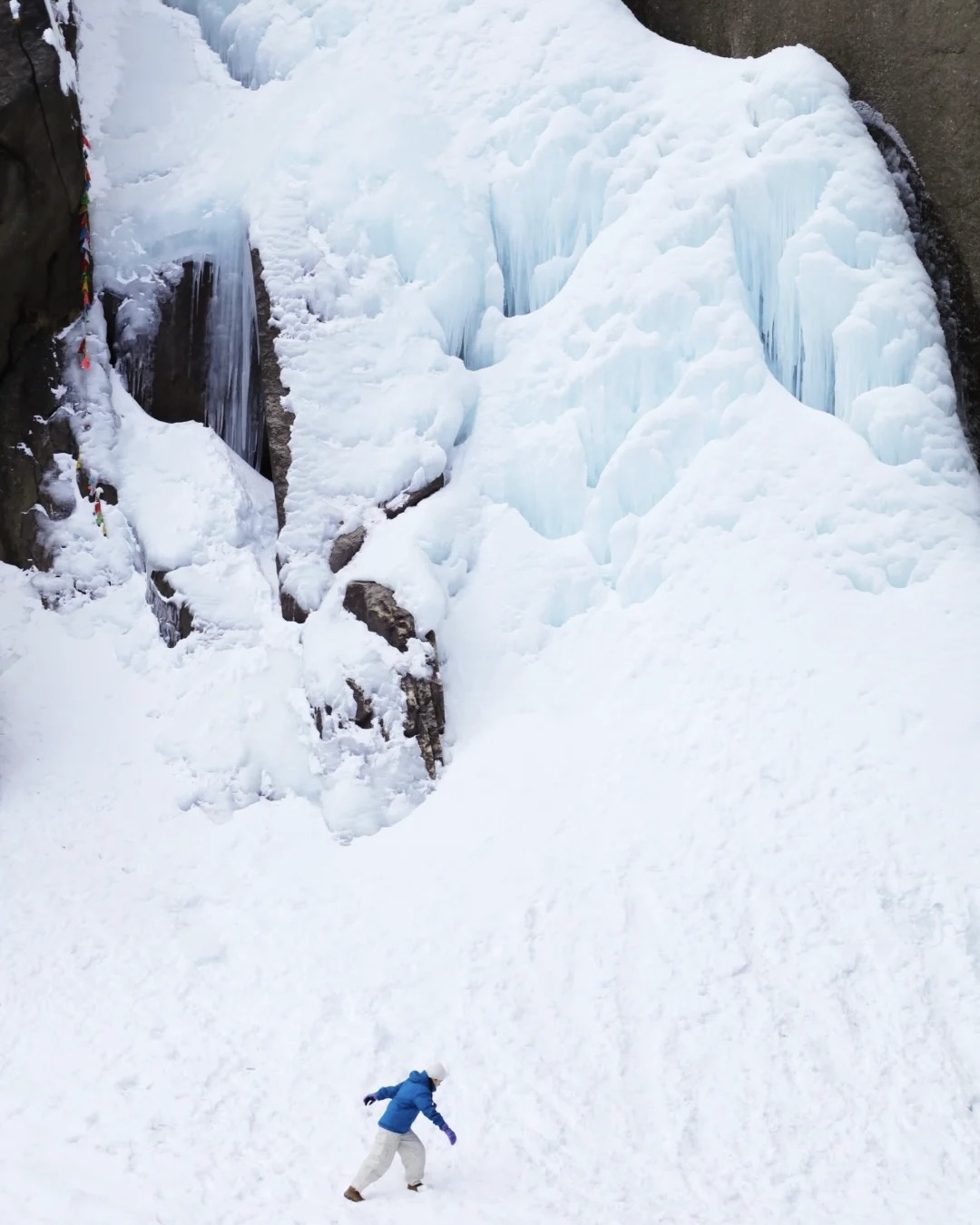
  • Choice 1 — Sacred Waterfall (神瀑): ~8 km out-and-back from Upper Yubeng (~5 hrs walking). A Tibetan pilgrimage route through forest to a 200 m sacred cascade. Locals circumambulate the waterfall (counter-clockwise) as part of the Kawagarbo kora. Less elevation gain, more cultural depth.
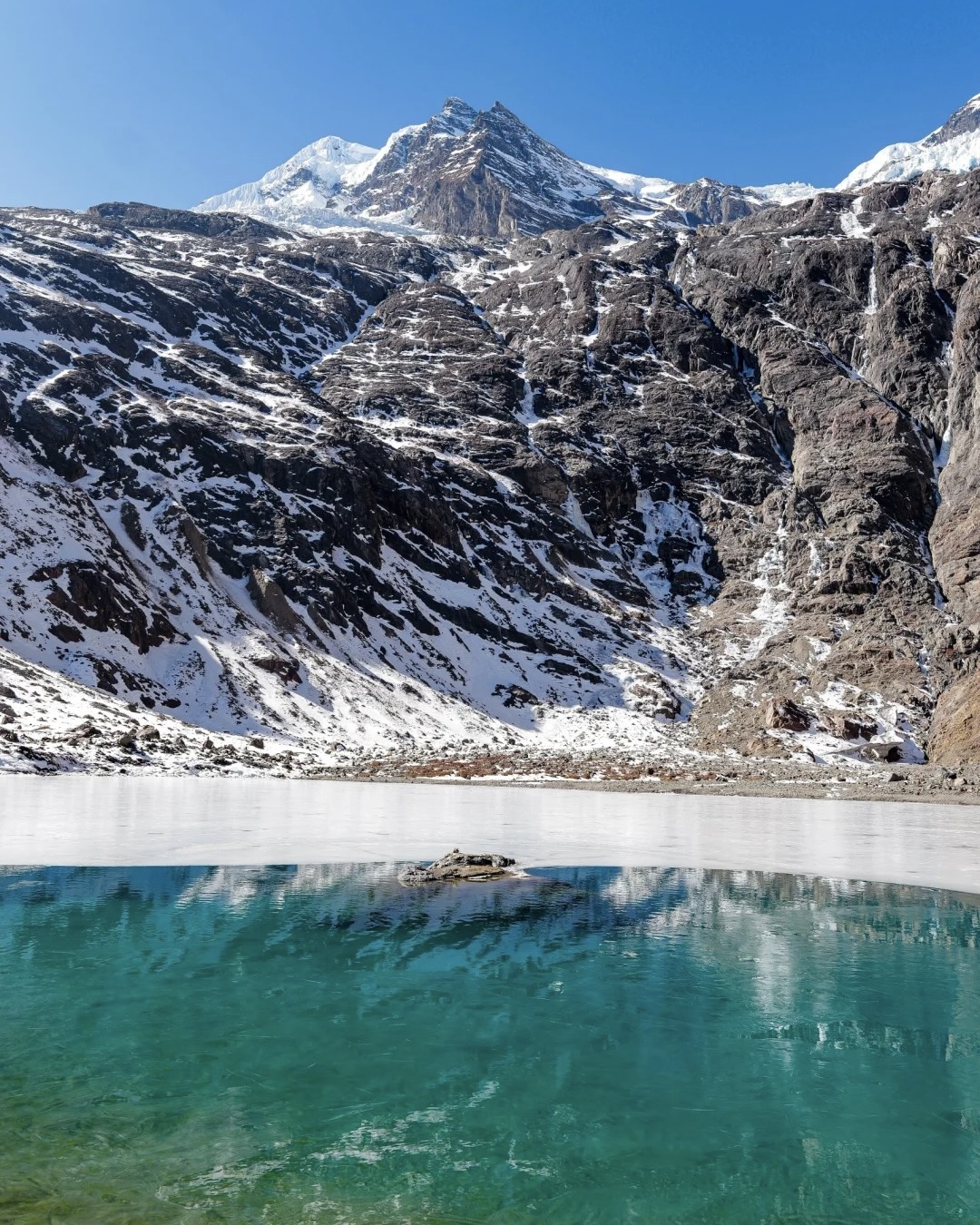
  • Choice 2 — Ice Lake (冰湖): ~12–14 km, ~7 hrs walking, ~700 m climb to 3,900 m. Steep ascent through old-growth conifer forest, then above tree-line into rocky alpine terrain. The lake itself is glacier-fed and stays frozen mid-November through March. The alpine-photography moment of the trip.
  • Most travellers choose one. Few do both unless adding a 4th day. Your guide will recommend based on weather, your acclimatisation status, and fitness on Day 1.
  • Return to Upper Yubeng for the second night.

Day 3 — Ninong Gorge descent and exit

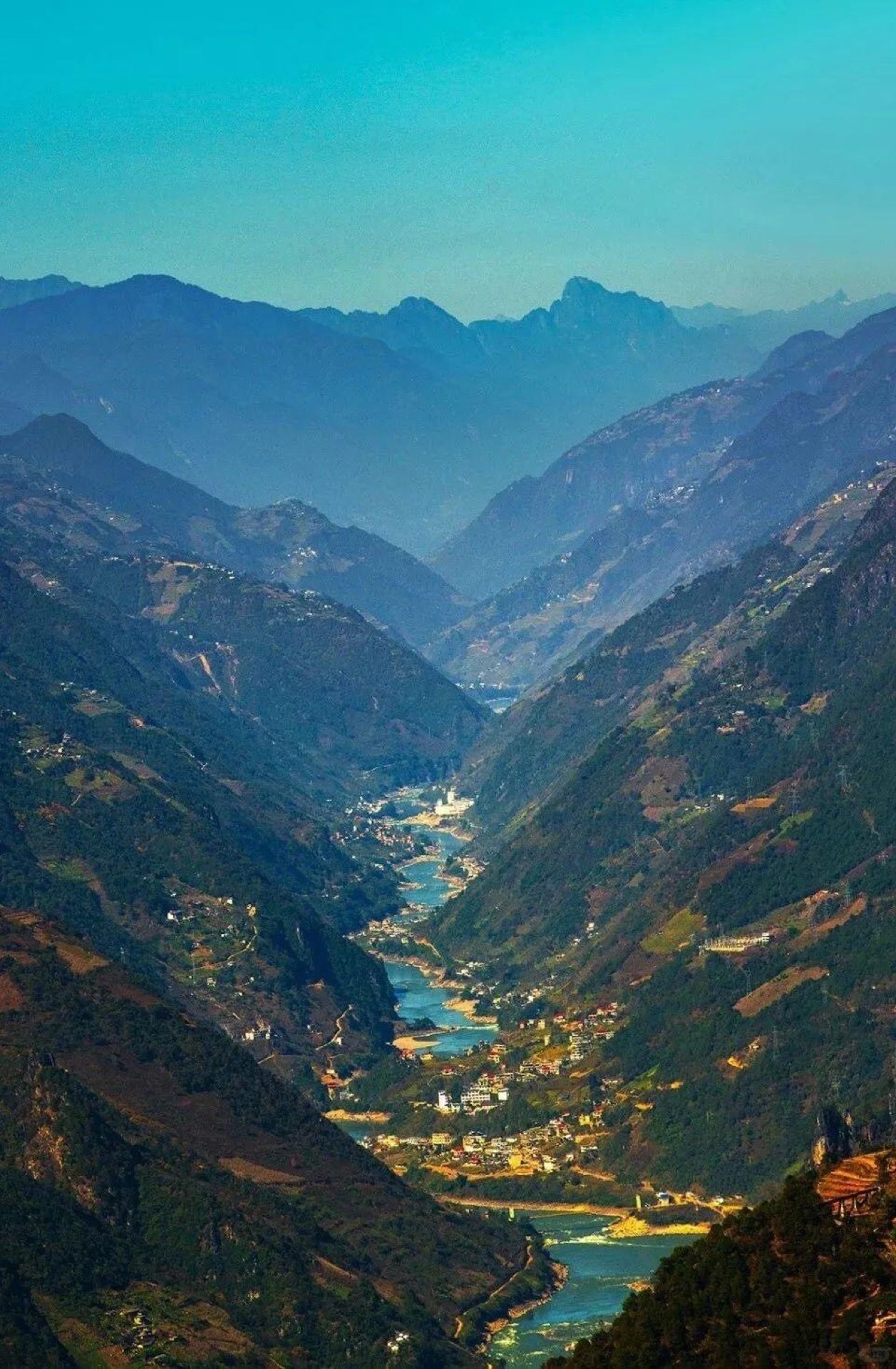
  • Morning departure from Upper Yubeng down the Ninong Gorge trail — a steady descent through dense conifer forest along the gorge wall. ~12 km, ~4–5 hrs walking, mostly downhill.
  • Arrive Ninong village at the road head by early afternoon. Private vehicle pickup, transfer to Shangri-La (~3 hrs) or onward to Lijiang (~5 hrs).
  • Sunset arrival in Shangri-La's Dukezong Old Town if returning there for the night.

Hotel Selection

  • Songtsam Meili: Tibetan stone-and-timber retreat at 3,600 m in Gujiunong village, with every room facing the Kawagarbo dawn — our preferred acclimatisation base at Feilai Si.
  • Poodom Meili: meditation lodge perched for direct Meili sunrise — the quieter, more contemplative Kawagarbo-facing option.
  • Songtsam: the brand's heritage Tibetan-style flagship near Lijiang's Naxi old town — useful as the Lijiang acclimatisation night before the highland push.
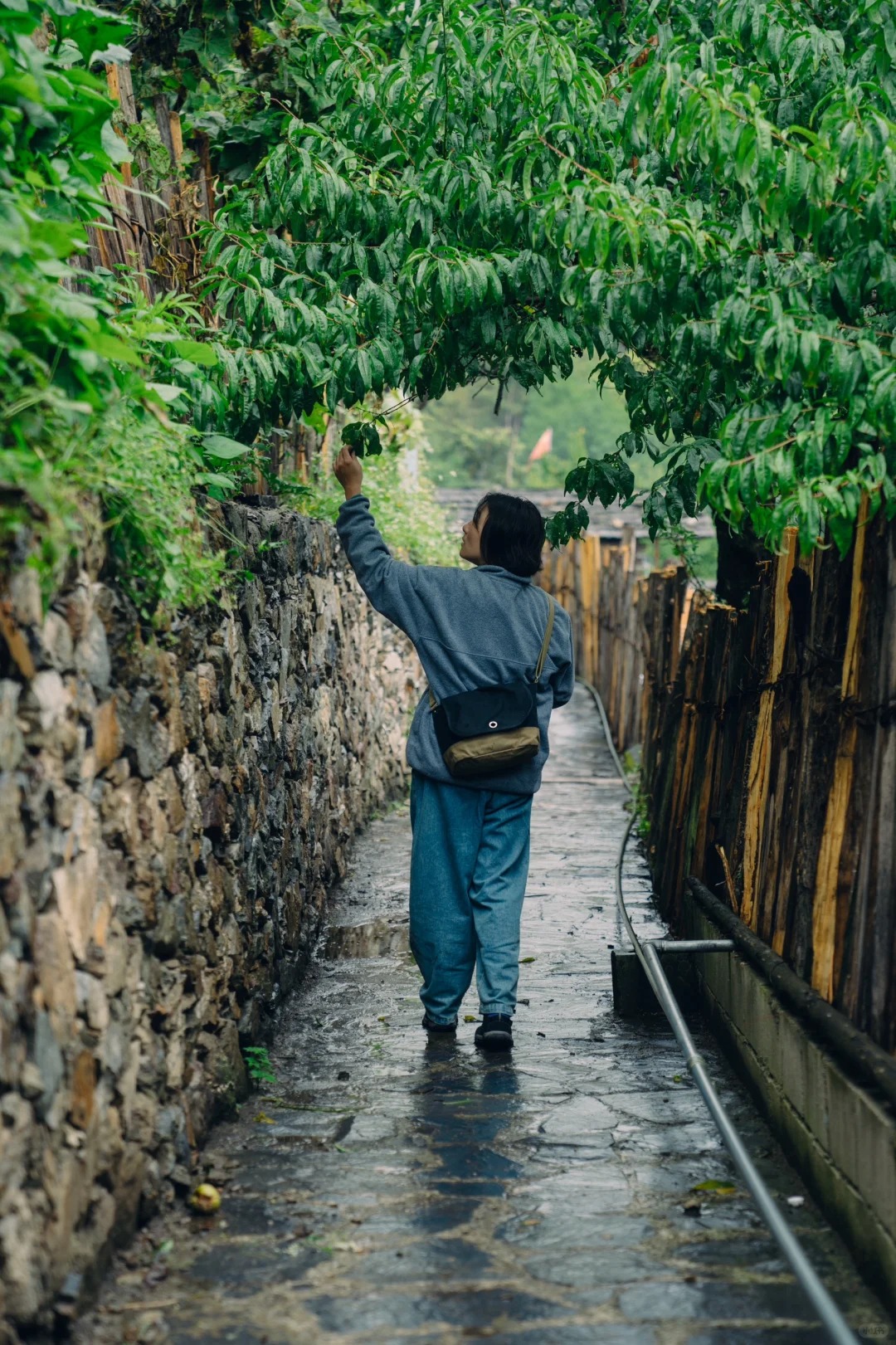
  • In Yubeng itself, you'll stay 2 nights at a vetted mountain guesthouse in Upper Yubeng — there are no luxury options in the village, but the rooms are warm, the food is hot, and the location is the point.
Practical details
  • Fitness baselinecomfortable hiking 6–8 hrs with elevation gain. Day 1 is the toughest section (~800 m ascent over 16–18 km). The Ice Lake option on Day 2 adds another ~700 m. If you can do an honest 6 hrs in the hills at home, you can do Yubeng with our pacing.
  • Acclimatisationat least one night at 3,000 m+ before trek-in (Shangri-La or Feilai Si). Sea-level direct arrivals have a ~30% lower 'comfortable arrival' rate at Upper Yubeng.
  • Gearlayered warmth (down + hard-shell), good trail shoes broken in before arrival, trekking poles, head torch, sun protection. Sleeping bag liner if you're sensitive about guesthouse bedding. We send a full kit list at booking.
  • Permit + guidelicensed local Tibetan guide is mandatory and bundled into the trip price. Mule support is optional (~extra) — recommended if you'd rather day-pack only.
  • Best windowsOctober–November (clearest post-monsoon skies + autumn colour), December–February (winter ice lake at its most dramatic; coldest pre-dawn temperatures), March–early May (rhododendron forest in bloom + first warm hiking). June–August is the monsoon window — slippery trails, more weather-dependent days, and the road in to Xidang sees occasional delays. Still feasible with a buffer day and a flexible plan; brief us on your tolerance for rain.
  • Pricingfrom AUD $1,500 pp twin-share for the 3D2N standalone module — includes local guide, all permits, guesthouse stays, meals on trek, transfers from Shangri-La/Lijiang. Excludes pre-trip Shangri-La / Feilai Si acclimatisation night, AMS-evac insurance (we mandate one), international flights.
Common questions

Before you book

01 Sacred Waterfall or Ice Lake — which should I choose?

If you came for the cultural experience and you want to walk a real Tibetan pilgrimage circuit, choose the Sacred Waterfall. Lower altitude (max ~3,400 m), gentler gradient, forest the whole way, and the waterfall itself is a working pilgrimage site. If you came for the photograph and the alpine drama, choose the Ice Lake — higher (3,900 m), harder (~700 m gain), exposed above tree-line, and visually the stronger payoff. Your guide will help you decide on the morning of Day 2 based on weather and how Day 1 went for your body.

02 How does Yubeng compare to the Meili North Slope Trek?

Yubeng is the south flank — shorter (3 days), lower (max 3,900 m), more village-cultural, easier to access. Meili North Slope is the north flank — longer (8 days), higher (max 5,200 m at the Yunnan-Tibet border pass), more remote trekking, no village destination. South for the cultural experience and the iconic trek; north for the serious multi-week trekker. We pair both within longer trips when fitness allows.

03 Is winter Yubeng harder than autumn?

Yes, materially. Winter (December–February) means cold pre-dawn starts at the guesthouse, snow on the Day 1 wooded pass, ice on the Ice Lake trail, and shorter daylight. The compensation is the Ice Lake at its frozen-glassy best — most photographers consider winter the visual peak season. October–November gives you 80% of the winter aesthetic with much easier weather; March–April adds rhododendron. We brief you fully on what to expect for your travel month.

04 Where does Yubeng fit inside a longer Yunnan trip?

Late, never early. Standard sequencing: Lijiang (2,400 m, 1–2 nights) → Shangri-La (3,200 m, 1 night, Songzanlin Monastery) → Feilai Si (3,400 m, 1 night, Kawagarbo dawn) → Yubeng trek (3 days). Total: 7–8 days for the Yubeng leg inside a 10–14 day Yunnan tour. Don't try Yubeng in the first 3 days off a long-haul flight — the altitude gain compounds the jet-lag and Day 1 becomes a war.