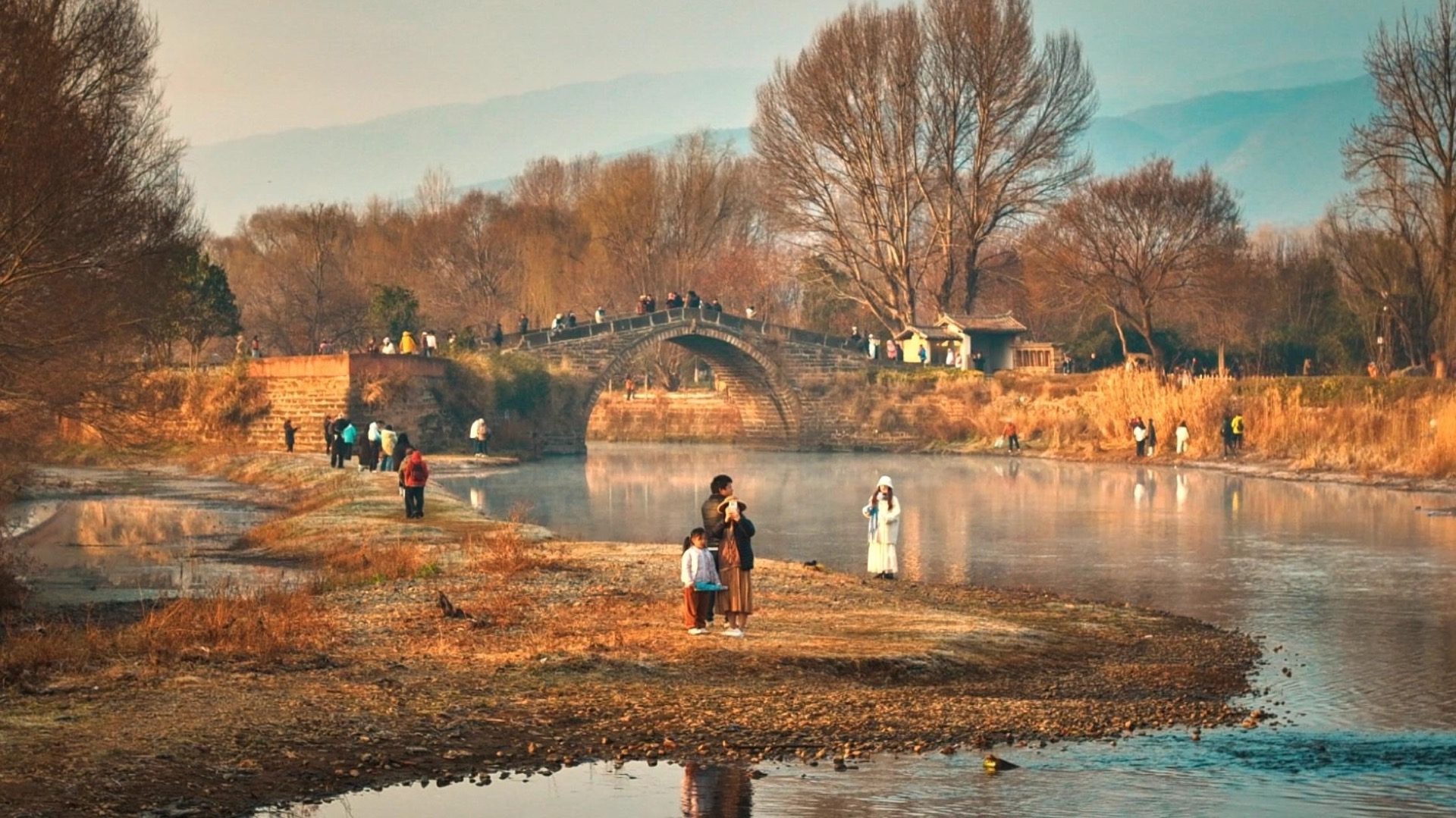
Arrive & Rehai Hot Spring
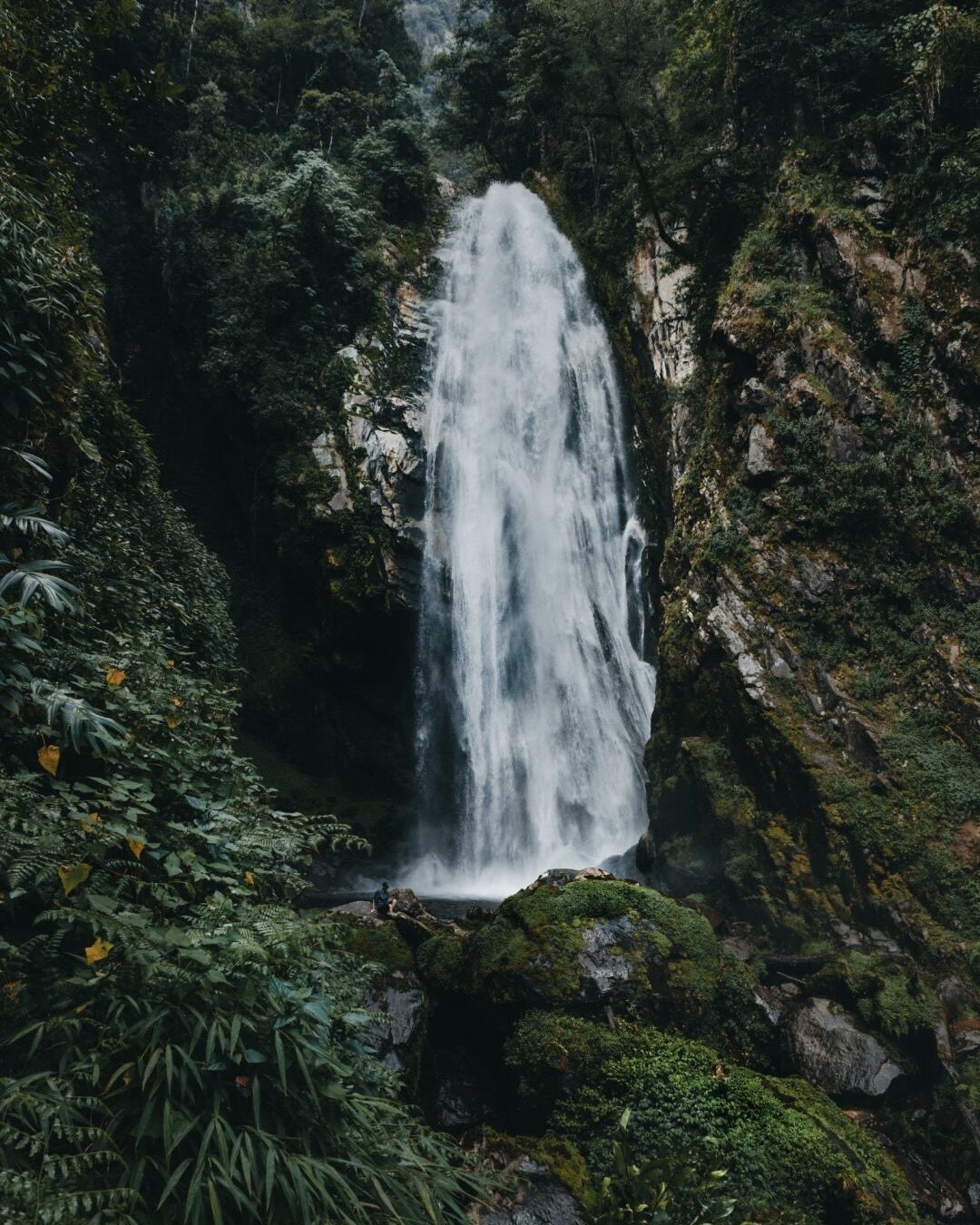
- Rehai Hot Spring Scenic Area: Forested boardwalks, fumaroles, and turquoise pools
- Optional private soak at a hot‑spring resort post‑walk
- Local Yunnan dinner in town
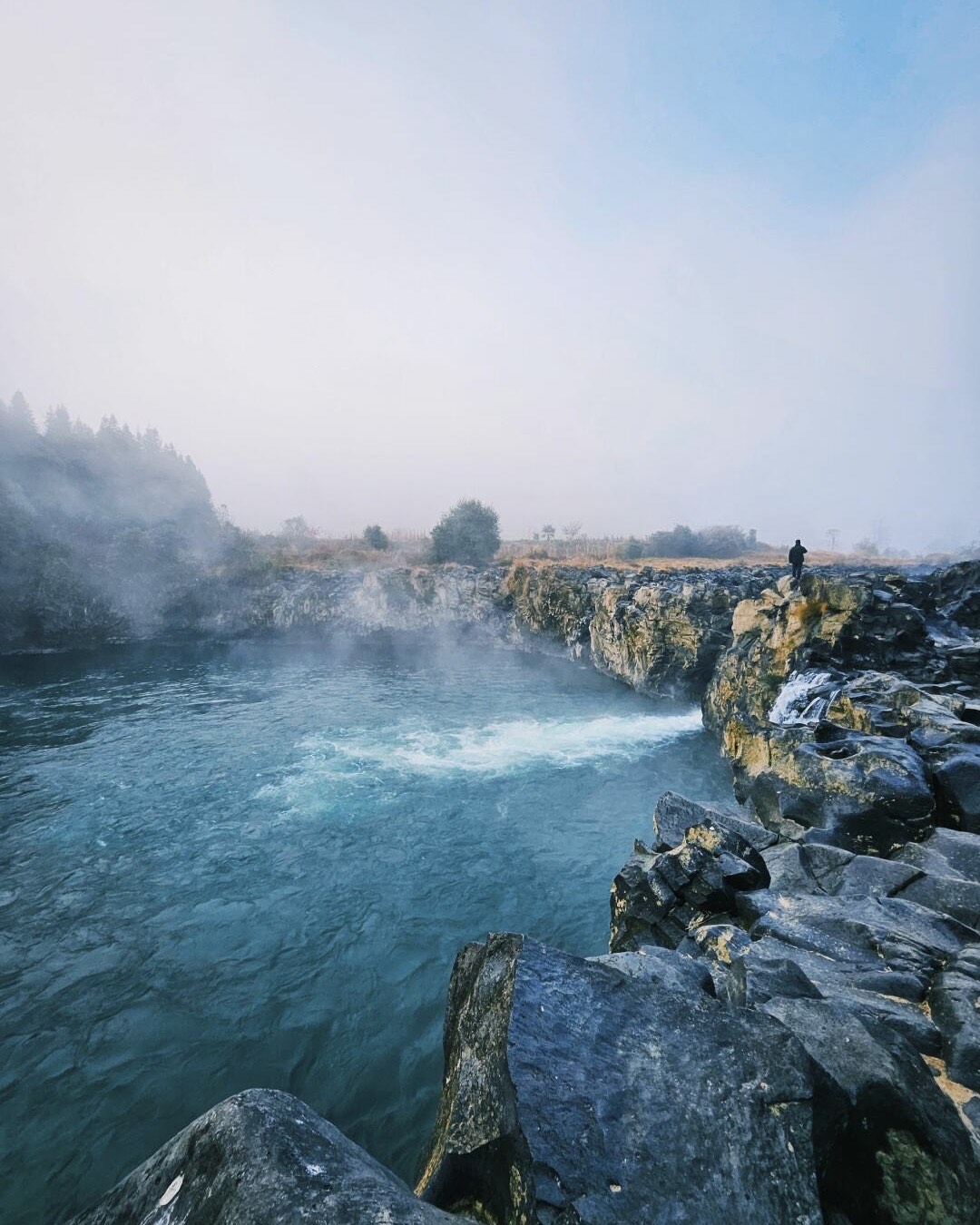
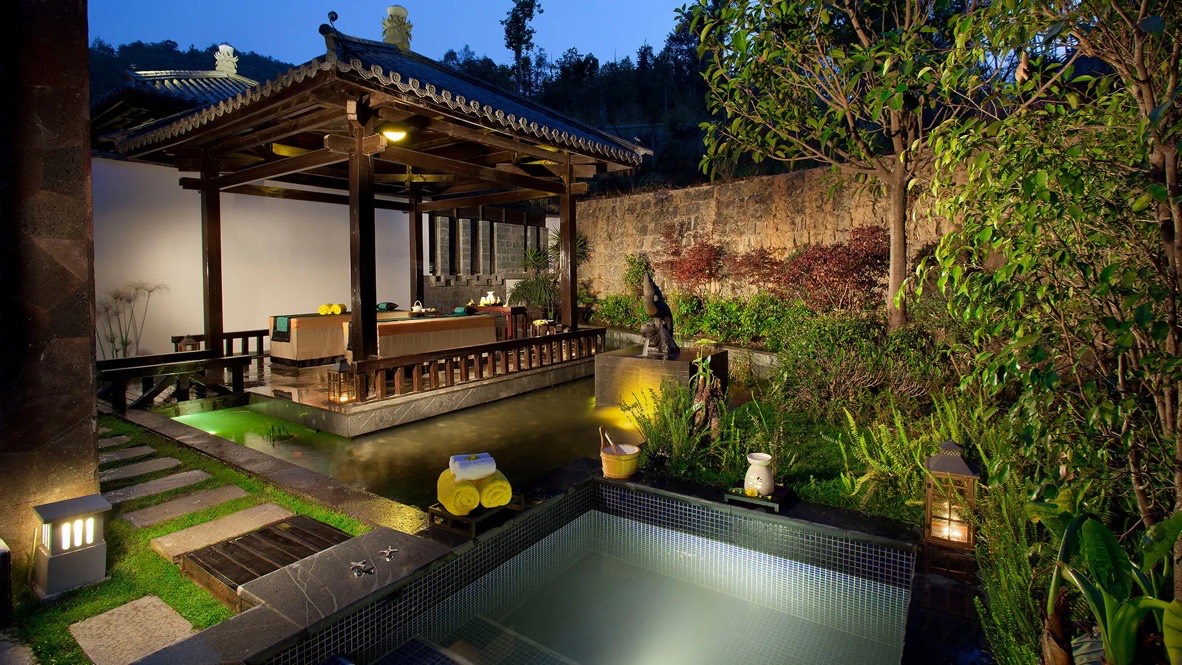
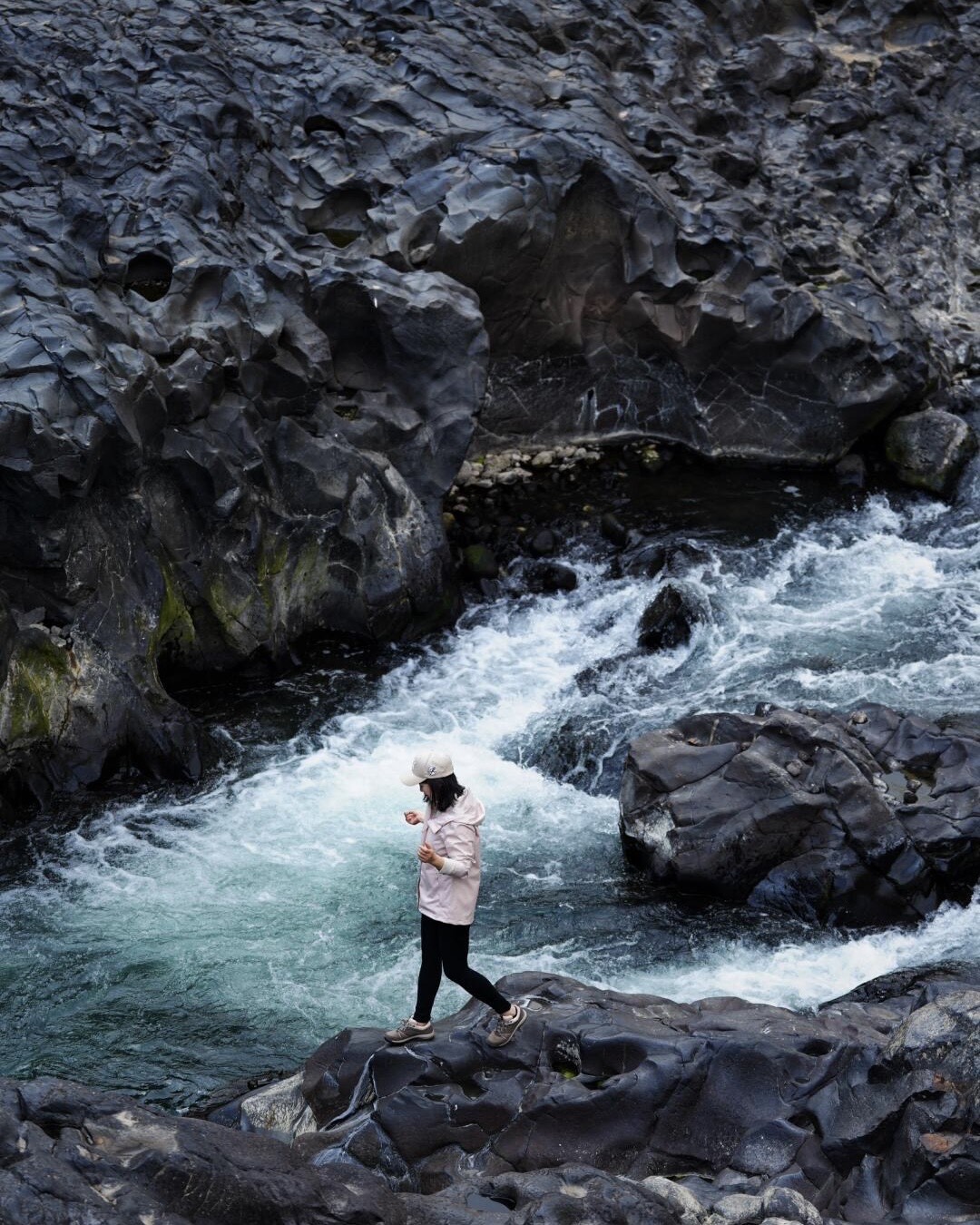
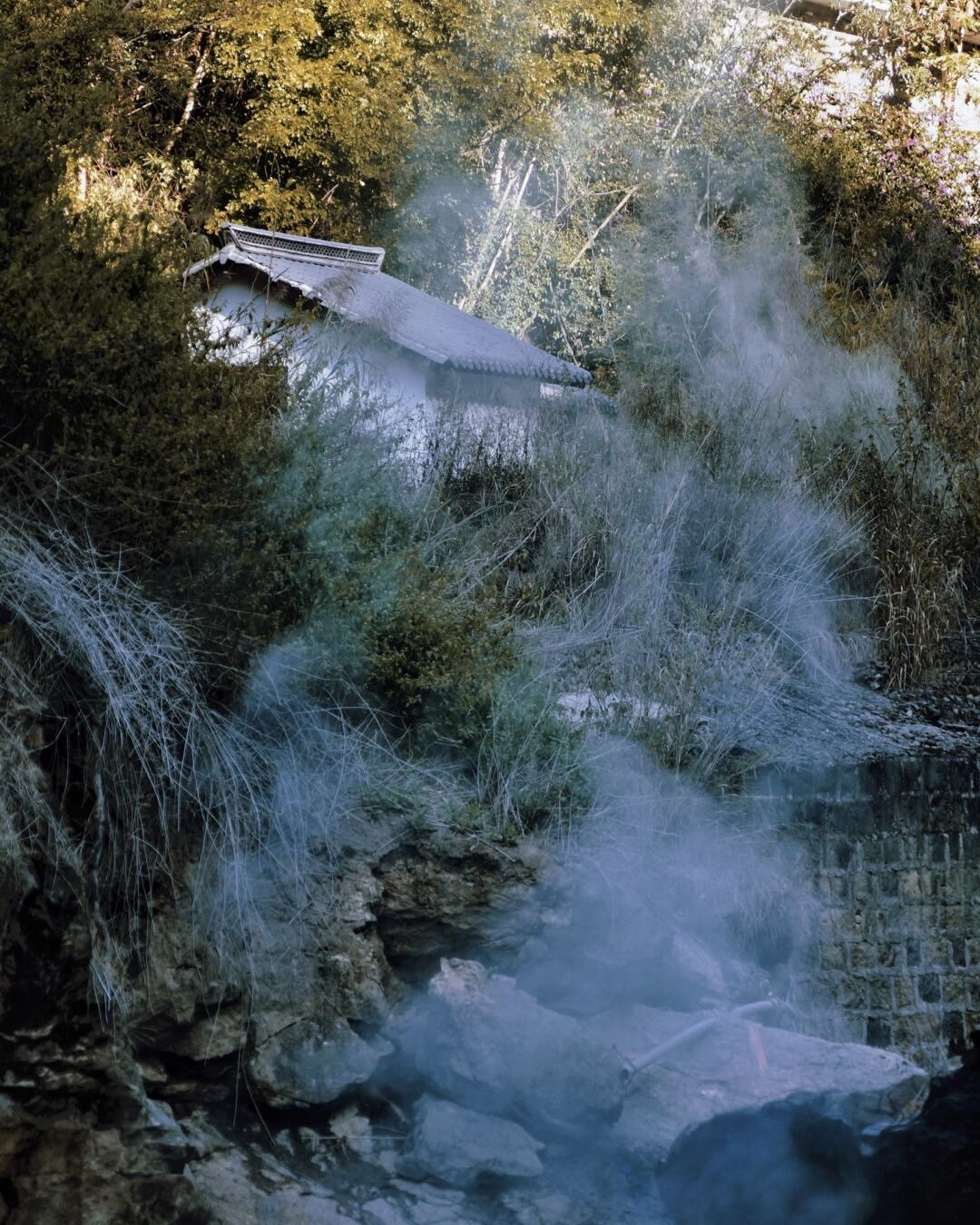
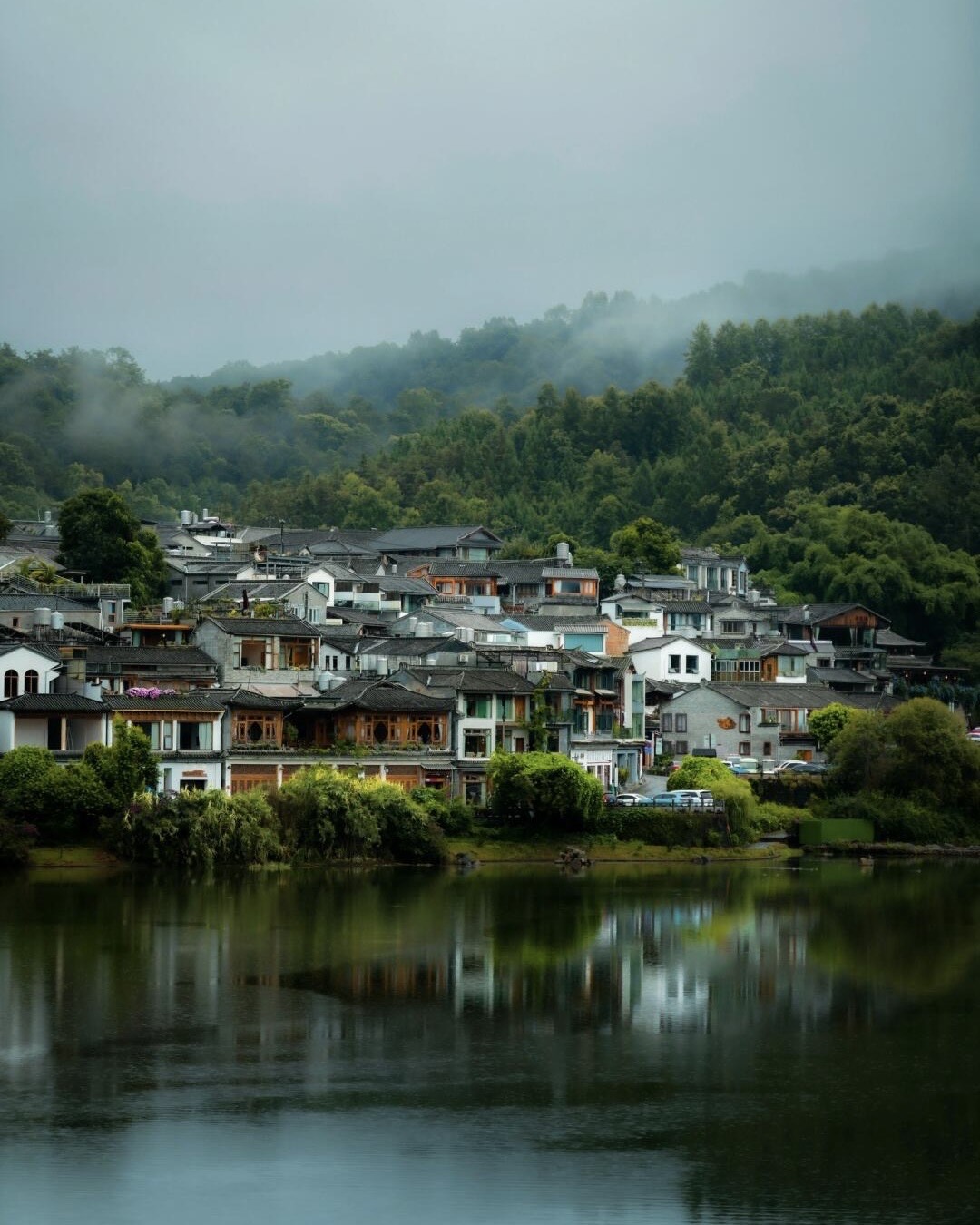
Hot Springs, Heritage & Volcanic Landscapes
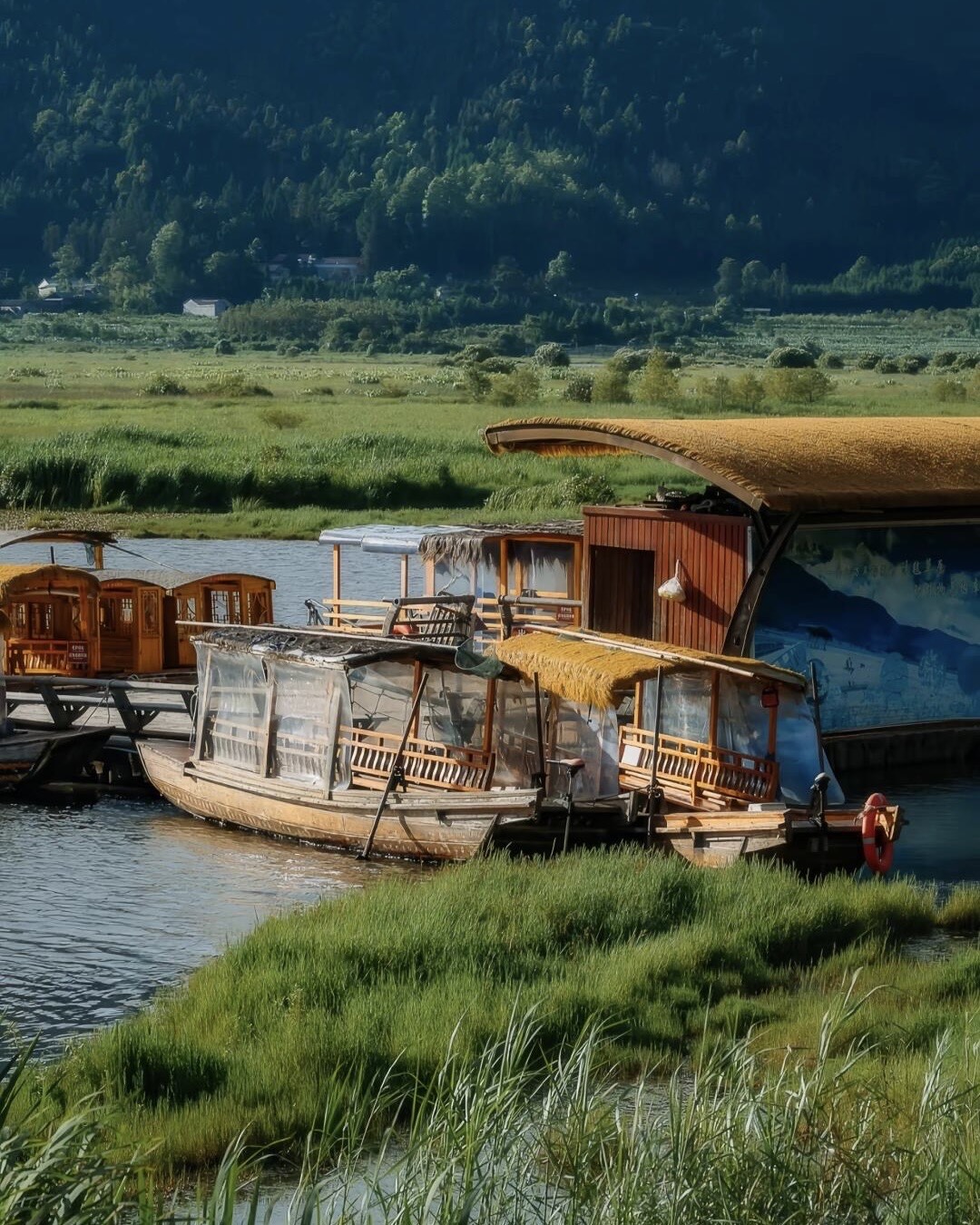
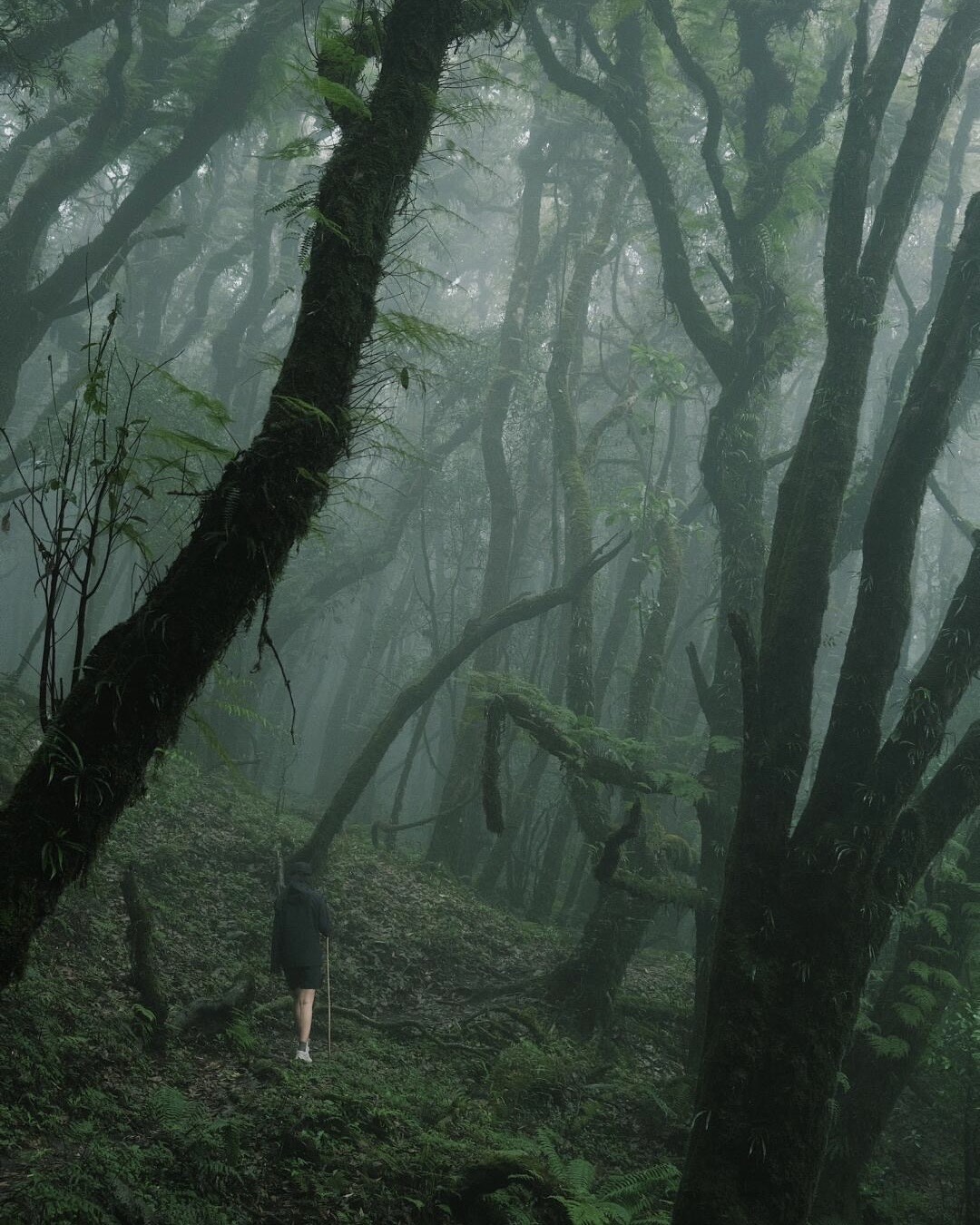
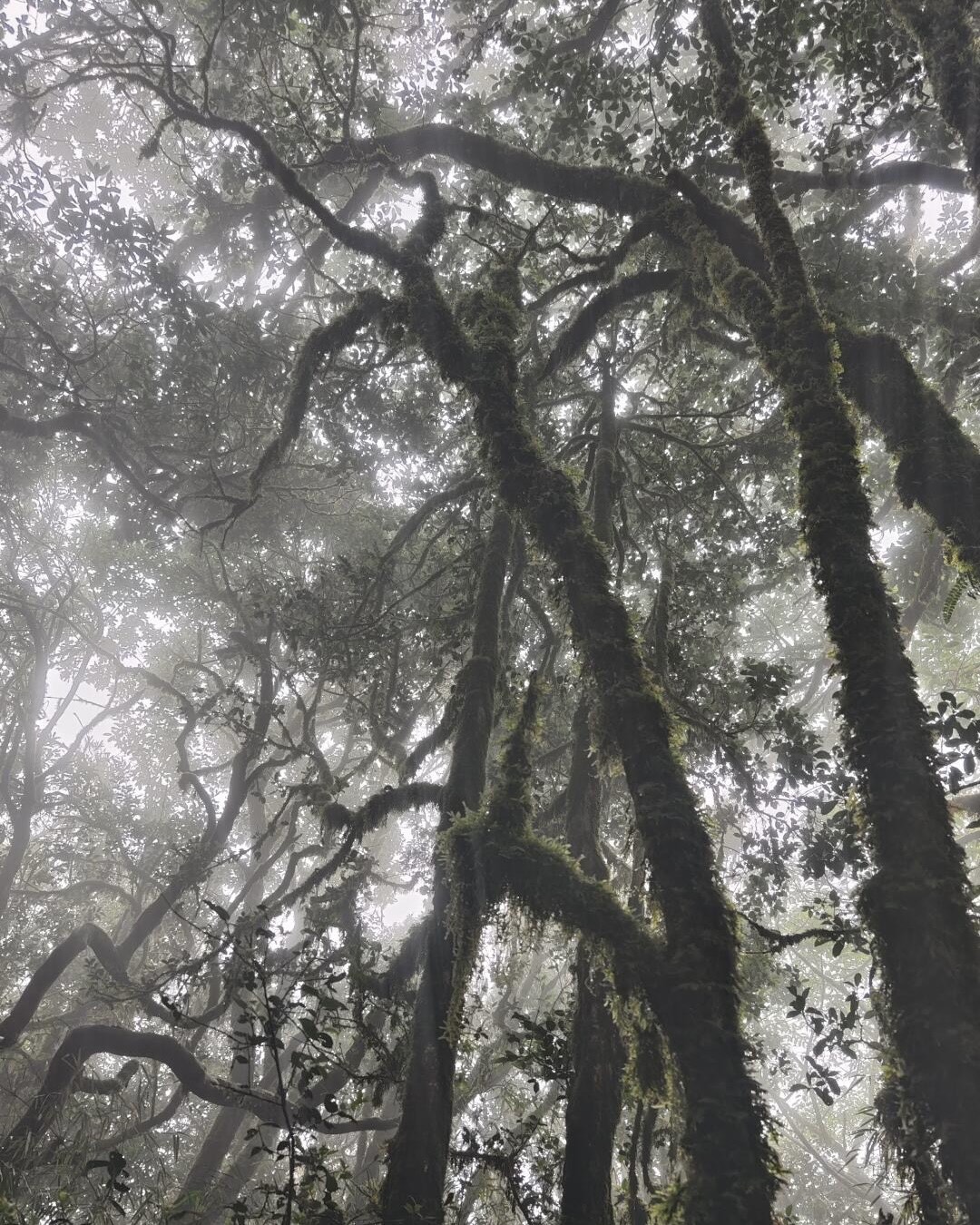
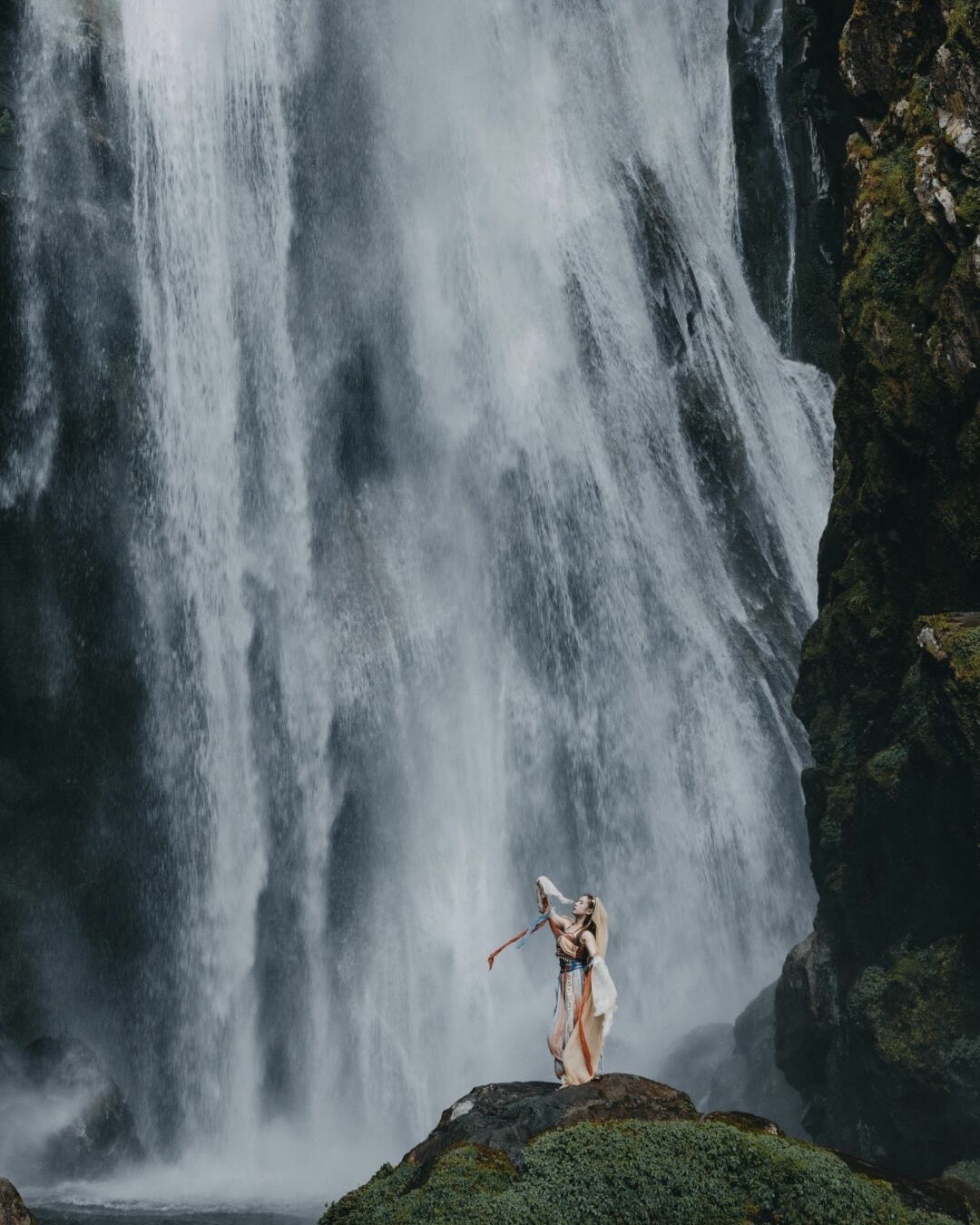
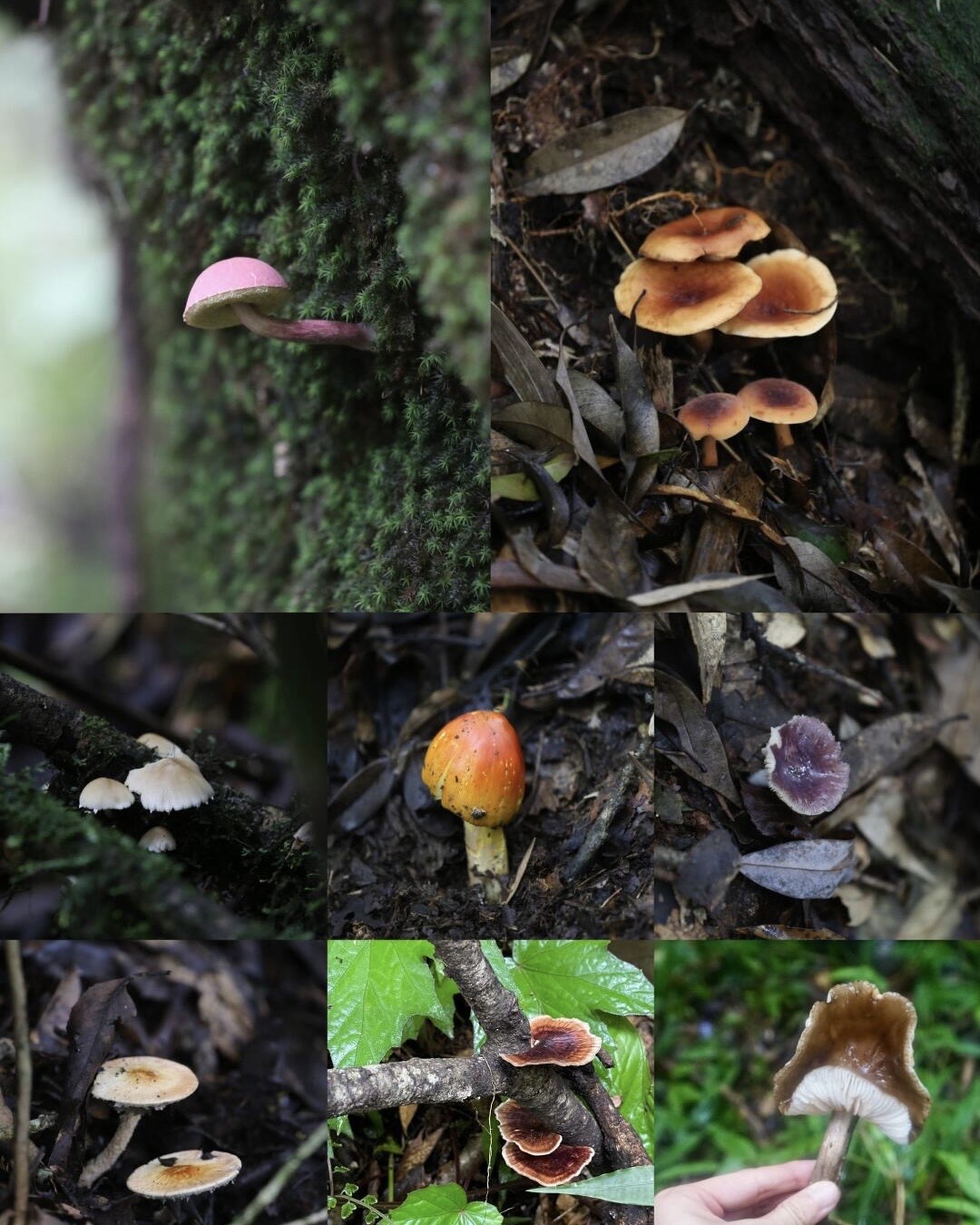
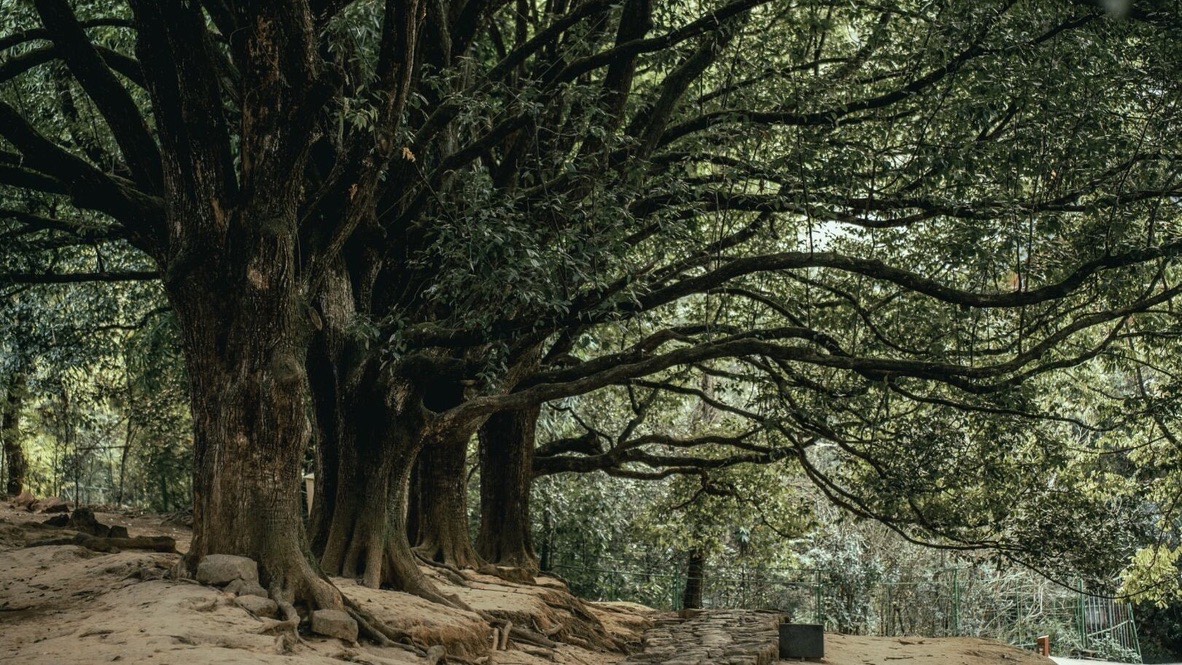
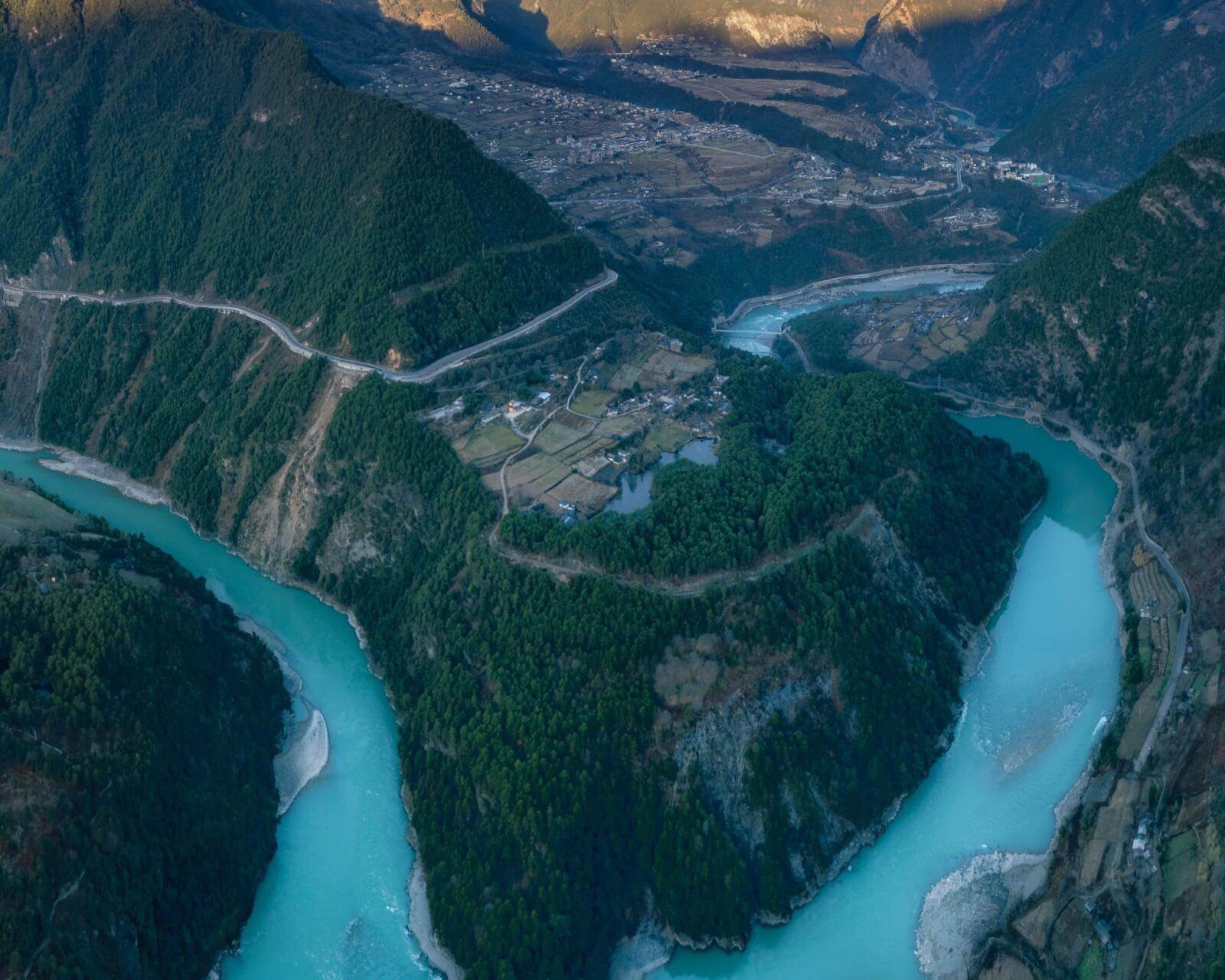
Tengchong blends geothermal wonders, well‑preserved merchant‑town heritage, wetlands teeming with birdlife, and the biodiverse slopes of Gaoligong Mountain.

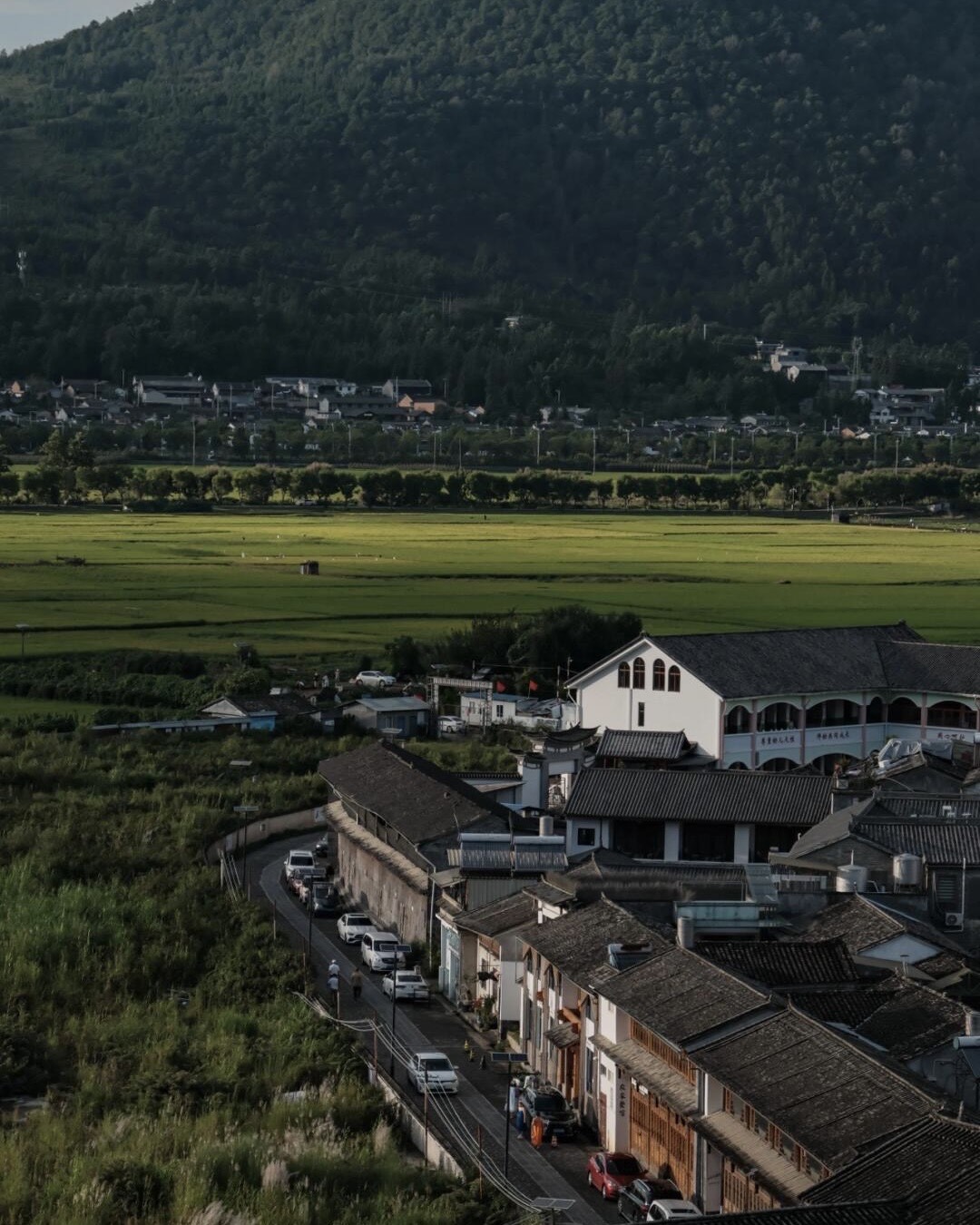
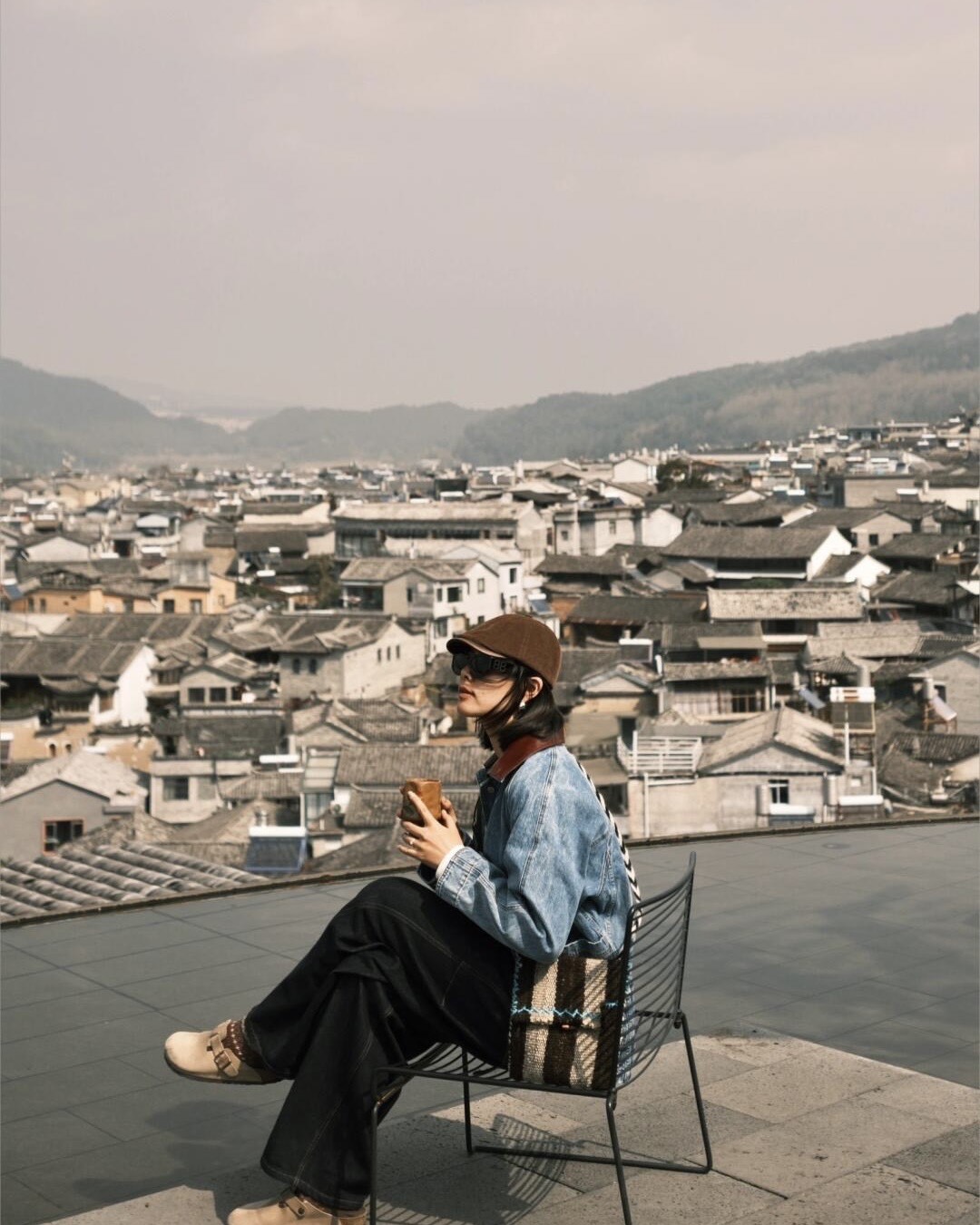
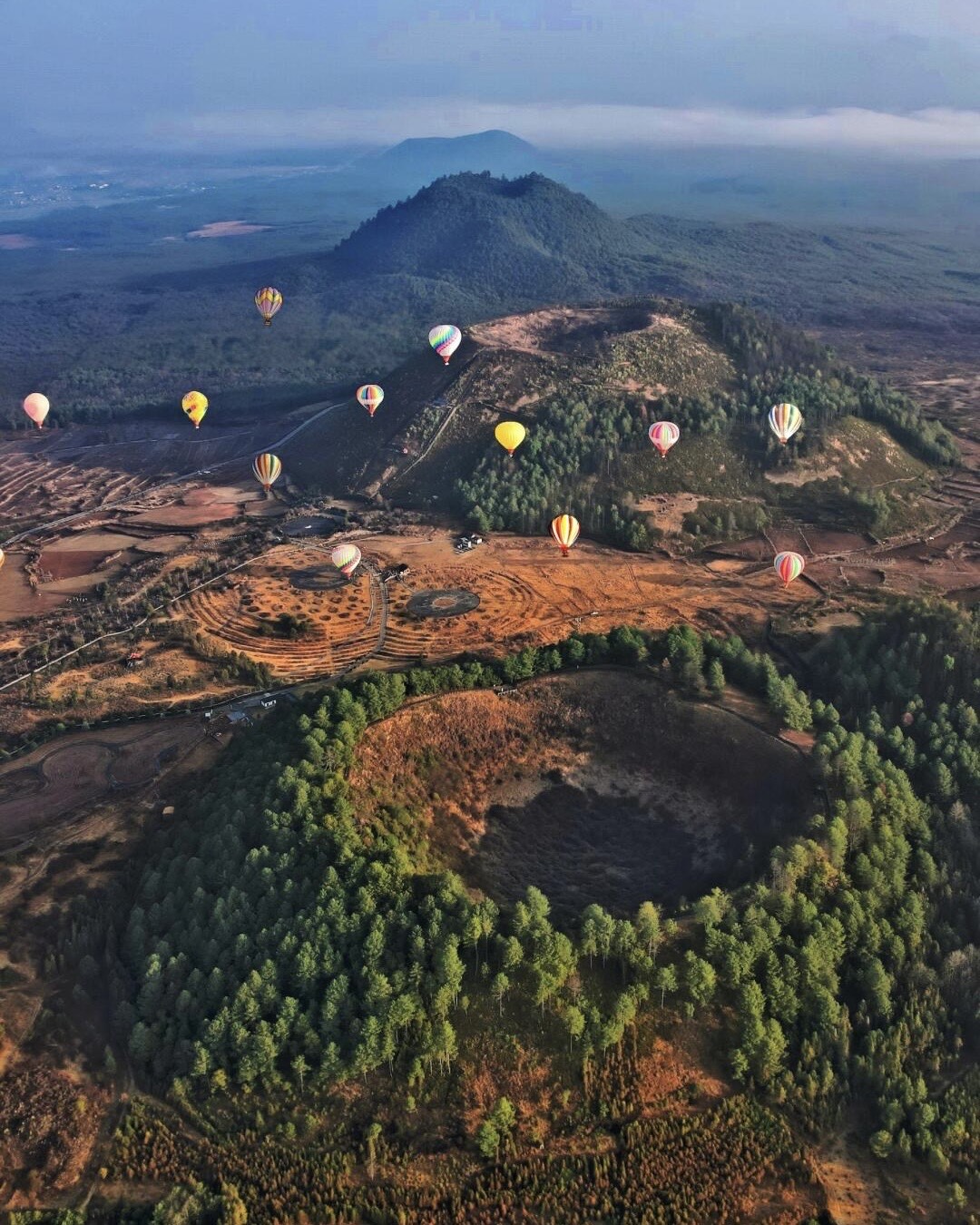
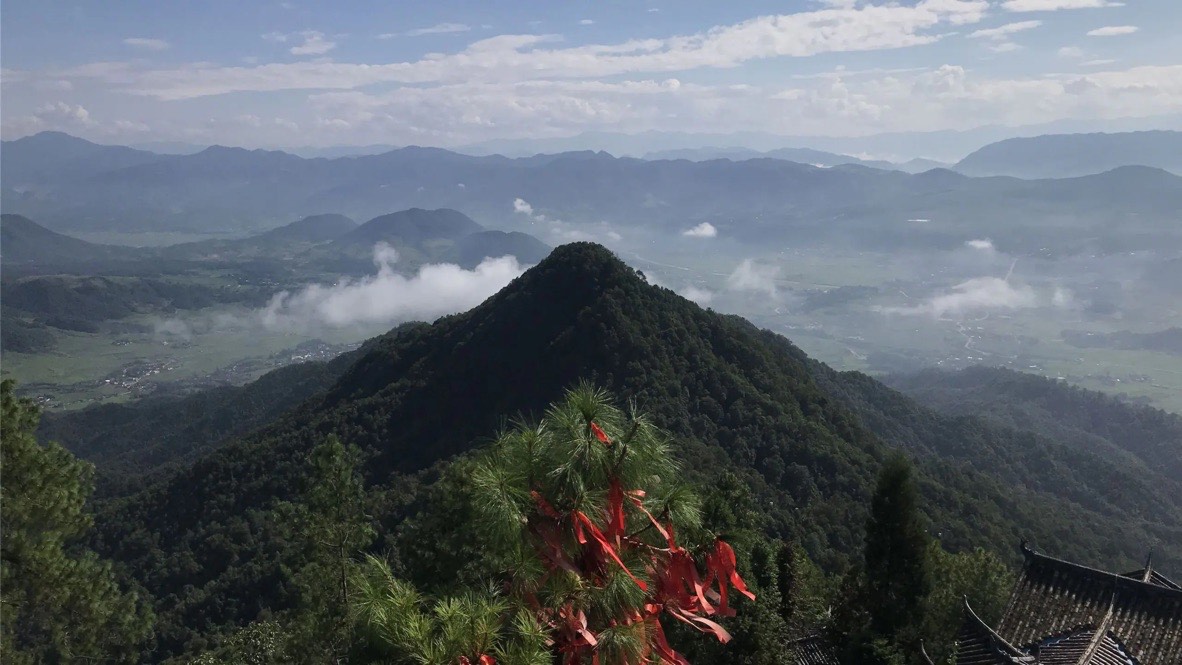
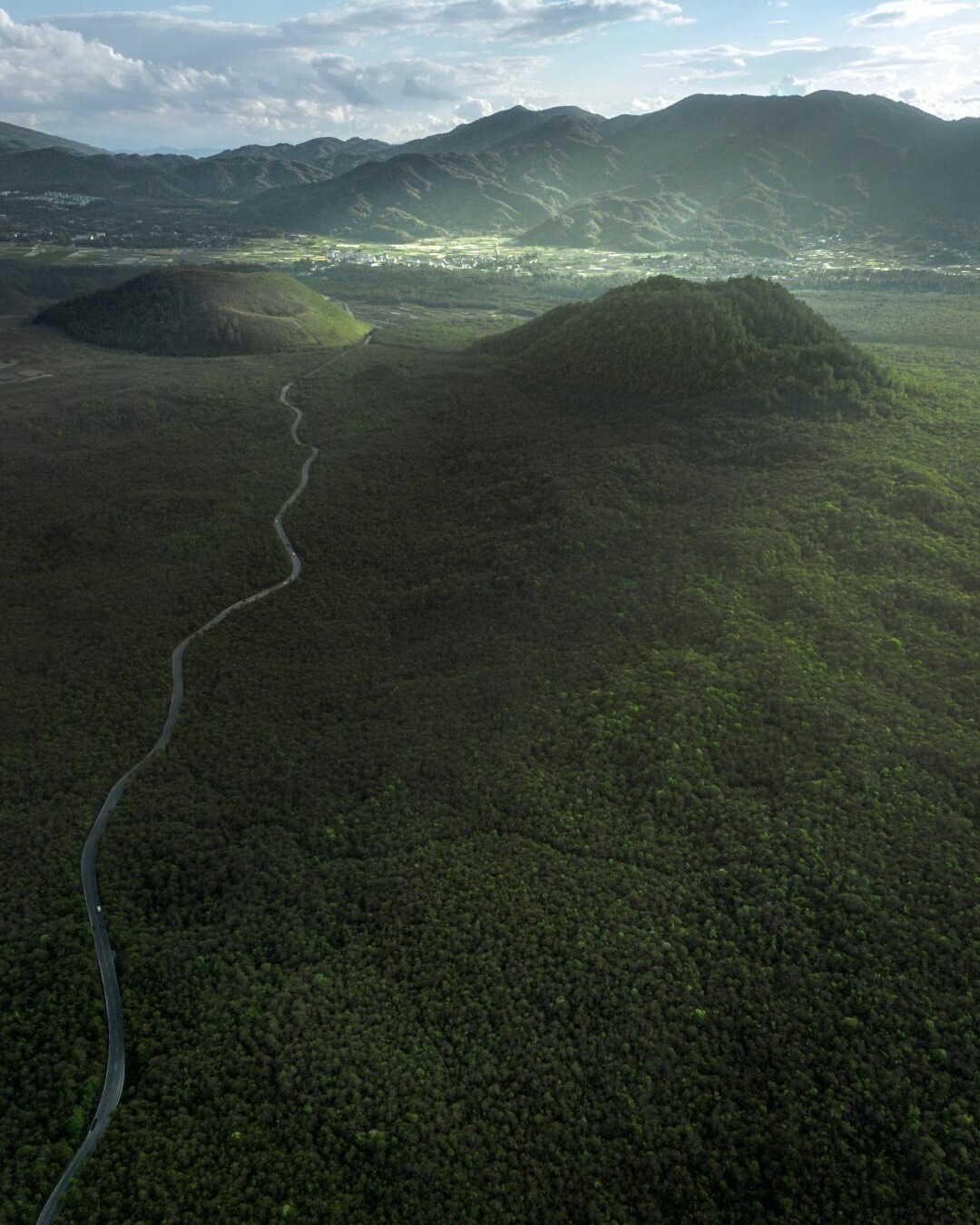
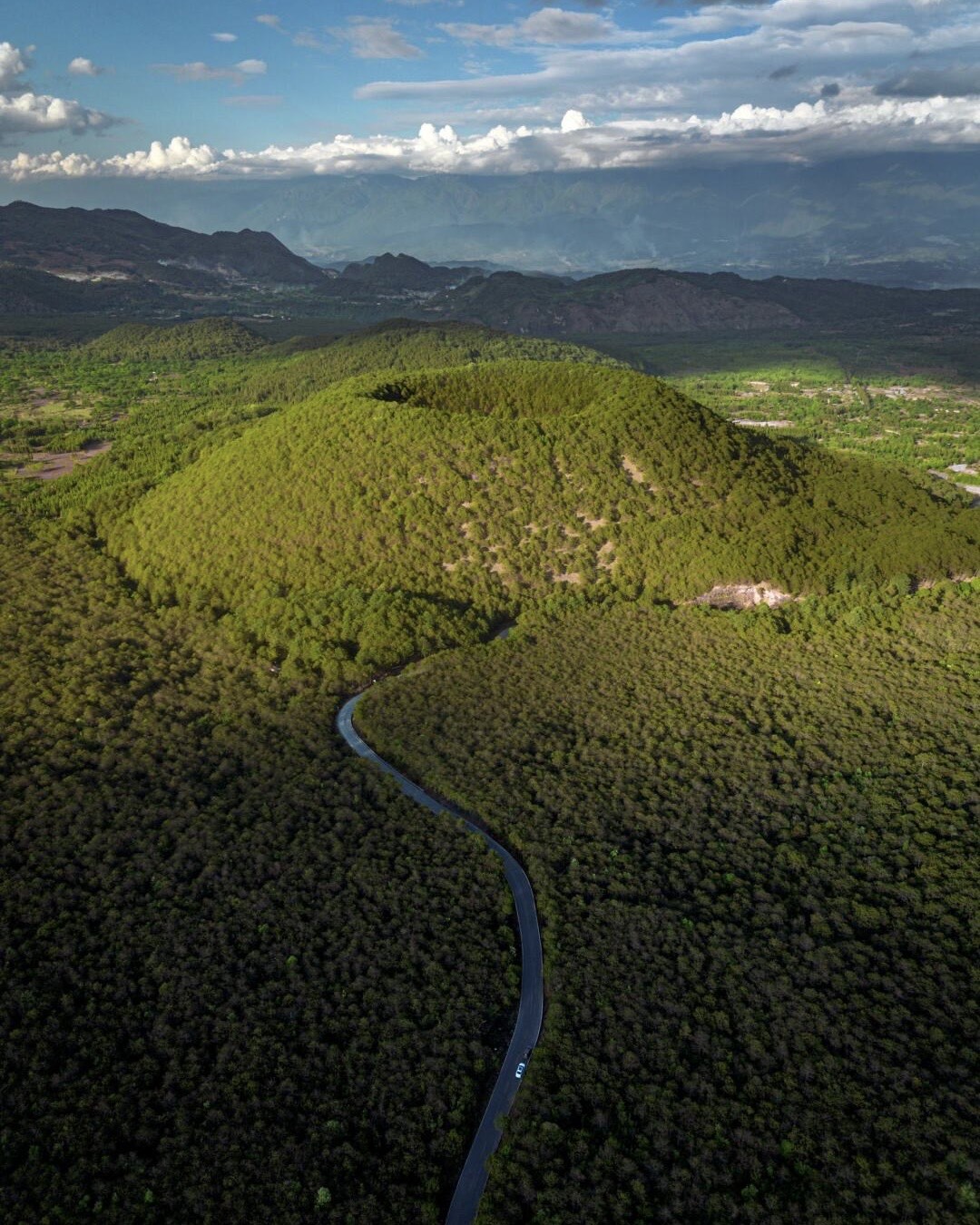
Tengchong is western Yunnan's volcanic-and-heritage hybrid — dormant volcanoes, Rehai geothermal springs, the 600-year-old Heshun Ancient Town with its Qing-era merchant houses, and the biodiverse slopes of Gaoligong Mountain. Best for travellers who want hot-spring wellness paired with Silk Road heritage. 3–4 days. Best windows: March–May (rhododendron) and September–November (clear dry weather).


October to December for dry crisp days and clear mountain views of Gaoligong; March to May for the lower-elevation rhododendron in Gaoligong's foothills, then May into June for the higher-elevation rhododendron belts further up the range. June to August brings the green season — rice paddies at their lushest, hot springs at their best after rain, and the volcanic fields steam-rising at every cool moment. Heshun does get busier with Chinese summer holidays; we time visits early or late in the day. Winter is mild (rarely below 5°C) and the hot springs are at their best.
Fly to Tengchong Tuofeng (TCZ) from Kunming (1h 10) or via Chengdu, or drive 4 hours from Baoshan. There's no high-speed rail. The airport is 30 minutes from Heshun Ancient Town. We build the airport pickup and transfer into every Tengchong itinerary; the region works well paired with Nujiang to the north (5-hour scenic drive) or Dali to the east (via Baoshan, 5 hours).
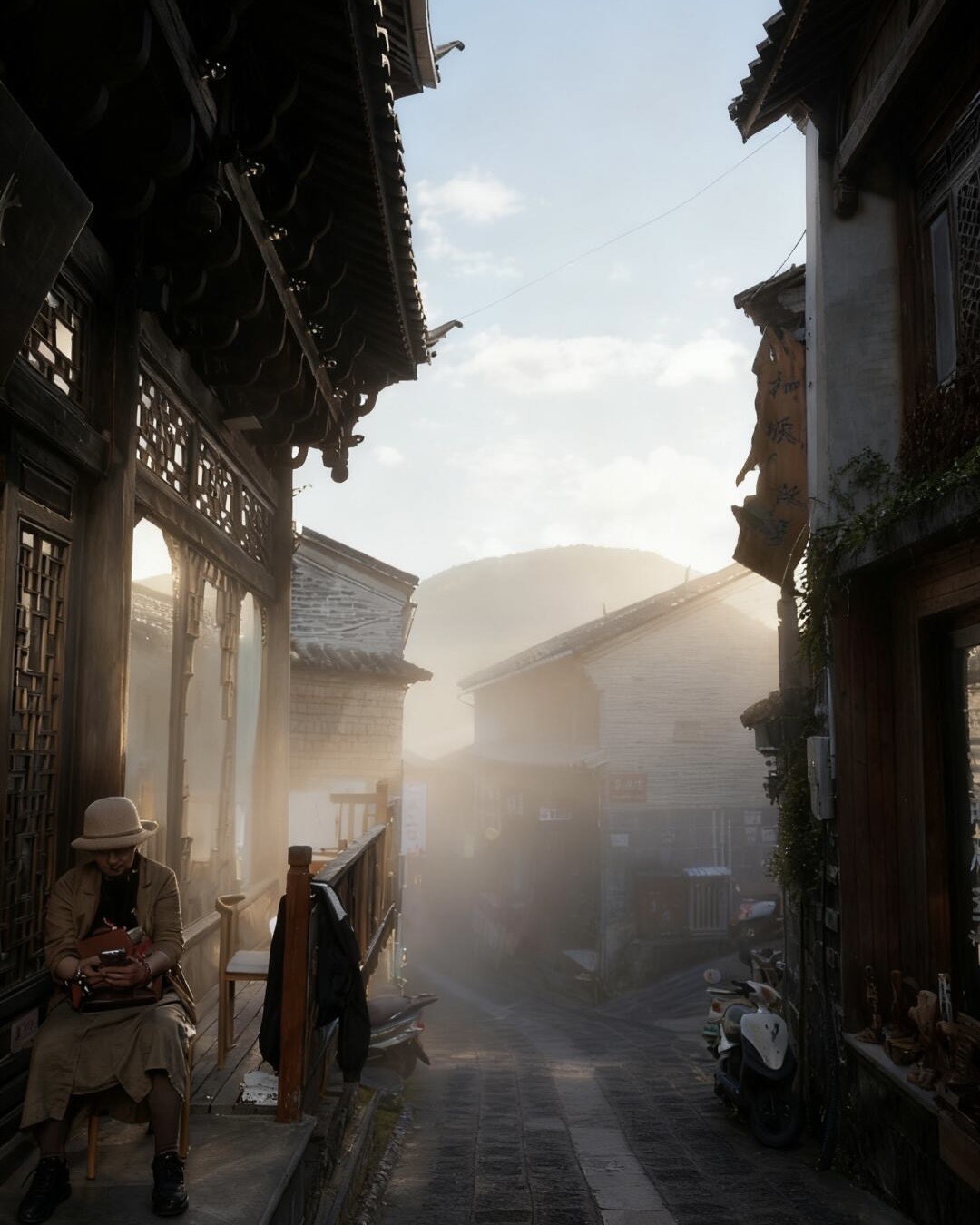
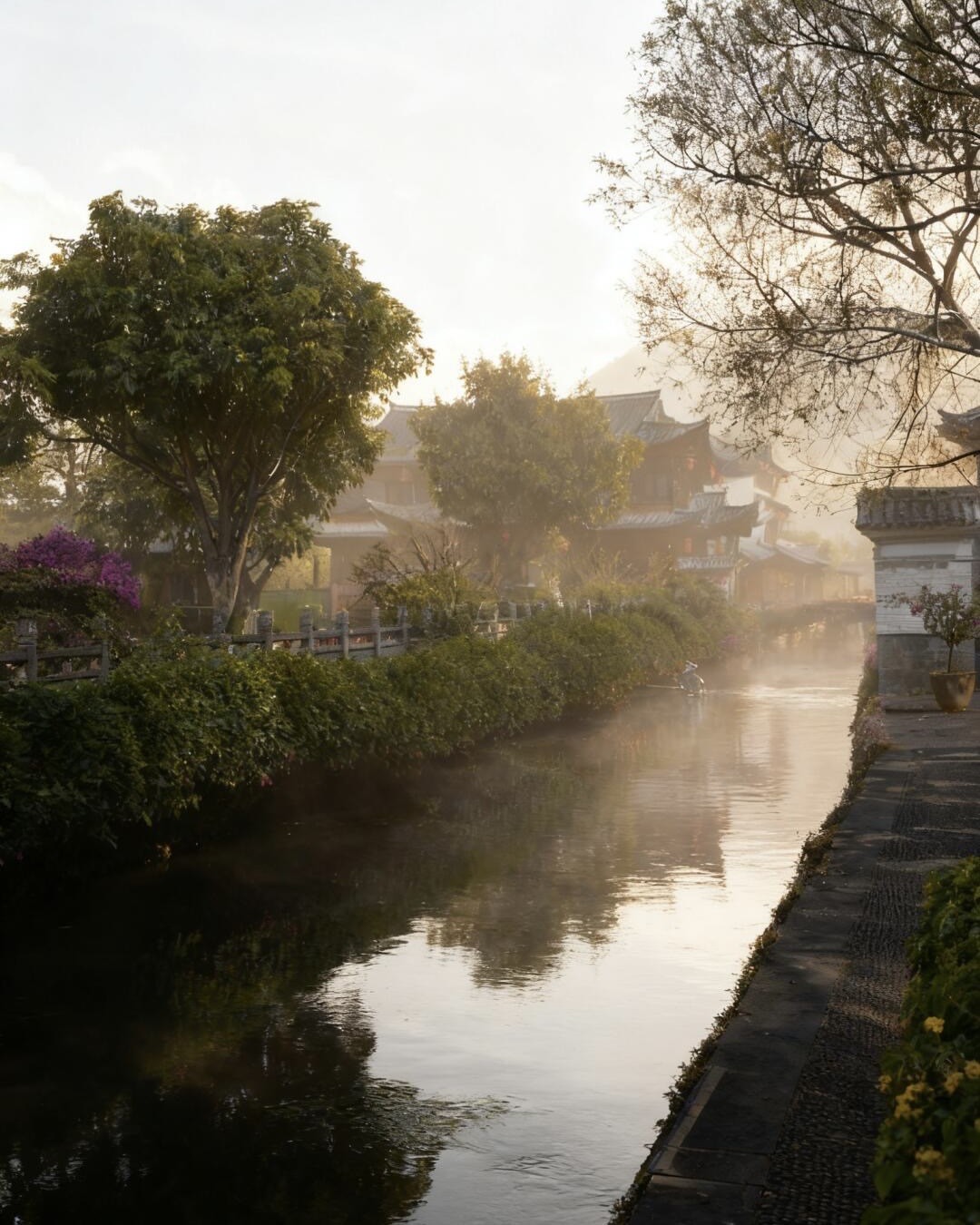
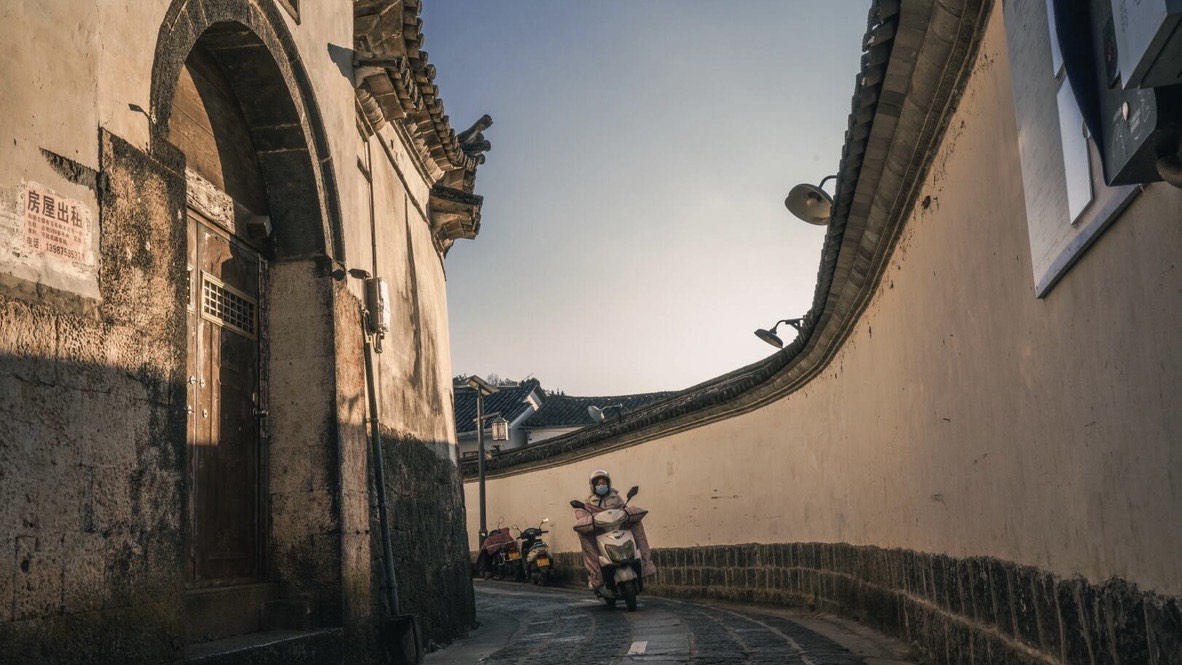
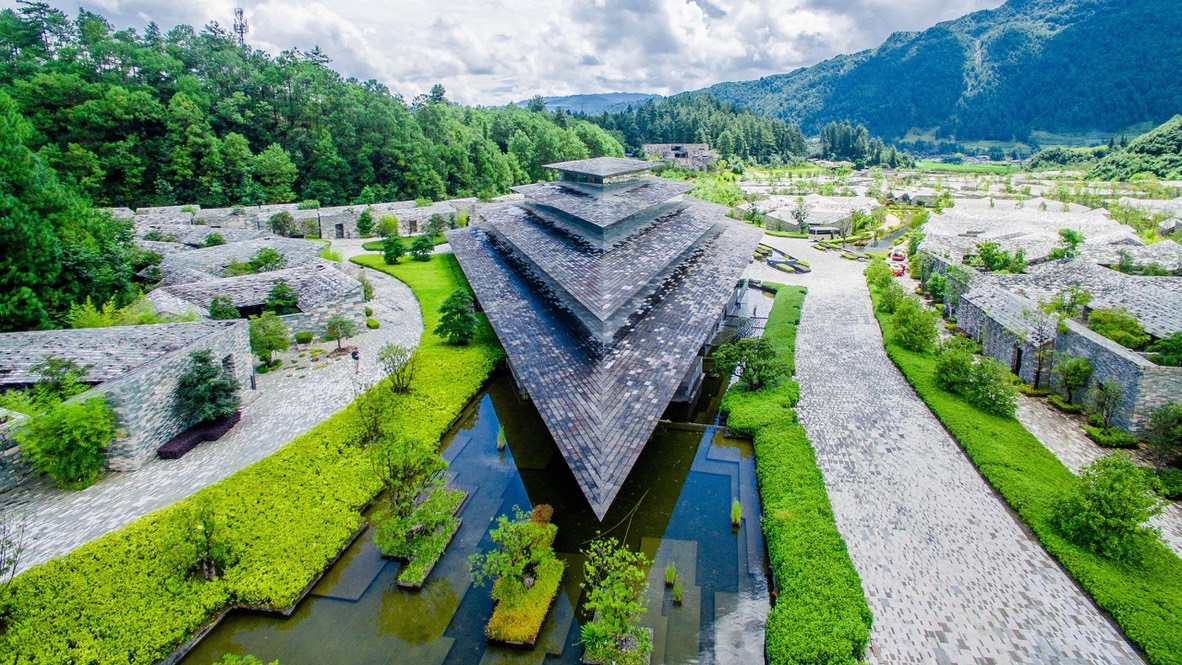
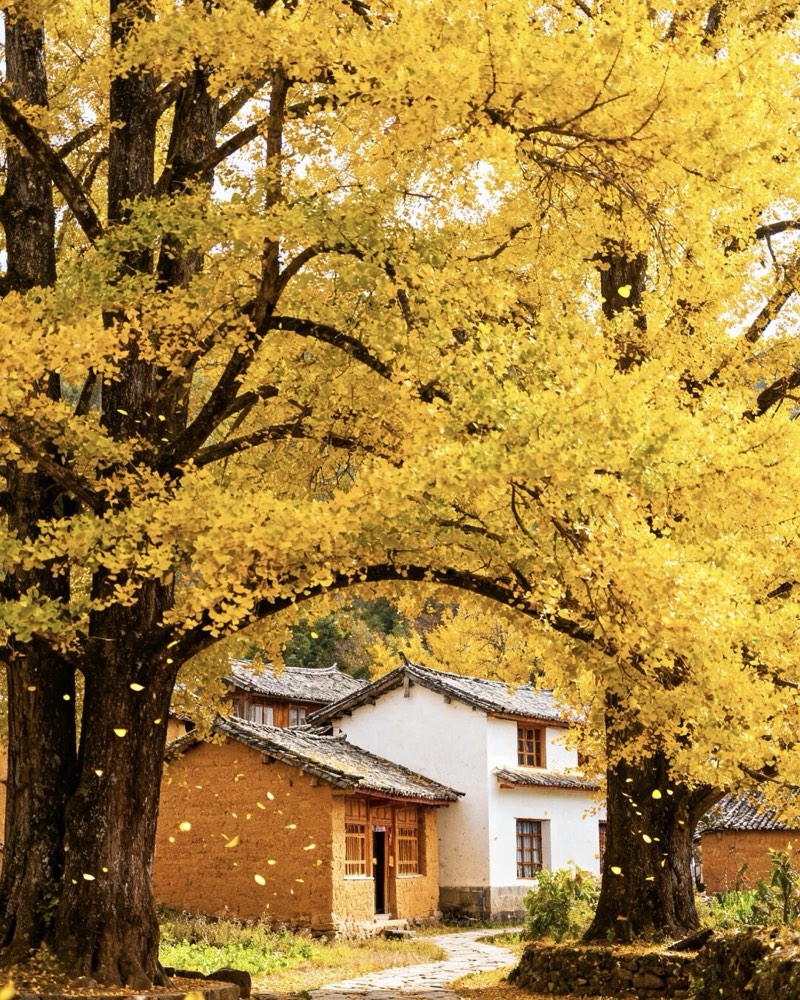
It's a 600-year-old Qing-dynasty merchant town built by Yunnan's trading families returning from Southeast Asia and Silk Road routes. Granite-paved lanes, walled courtyard mansions, a still-working private library dating to 1928, and Huguang-style architecture found almost nowhere else in China. Unlike Lijiang, it never went full-commercial — most houses are still lived in. Best visited in the early morning before day-trippers arrive.